 By

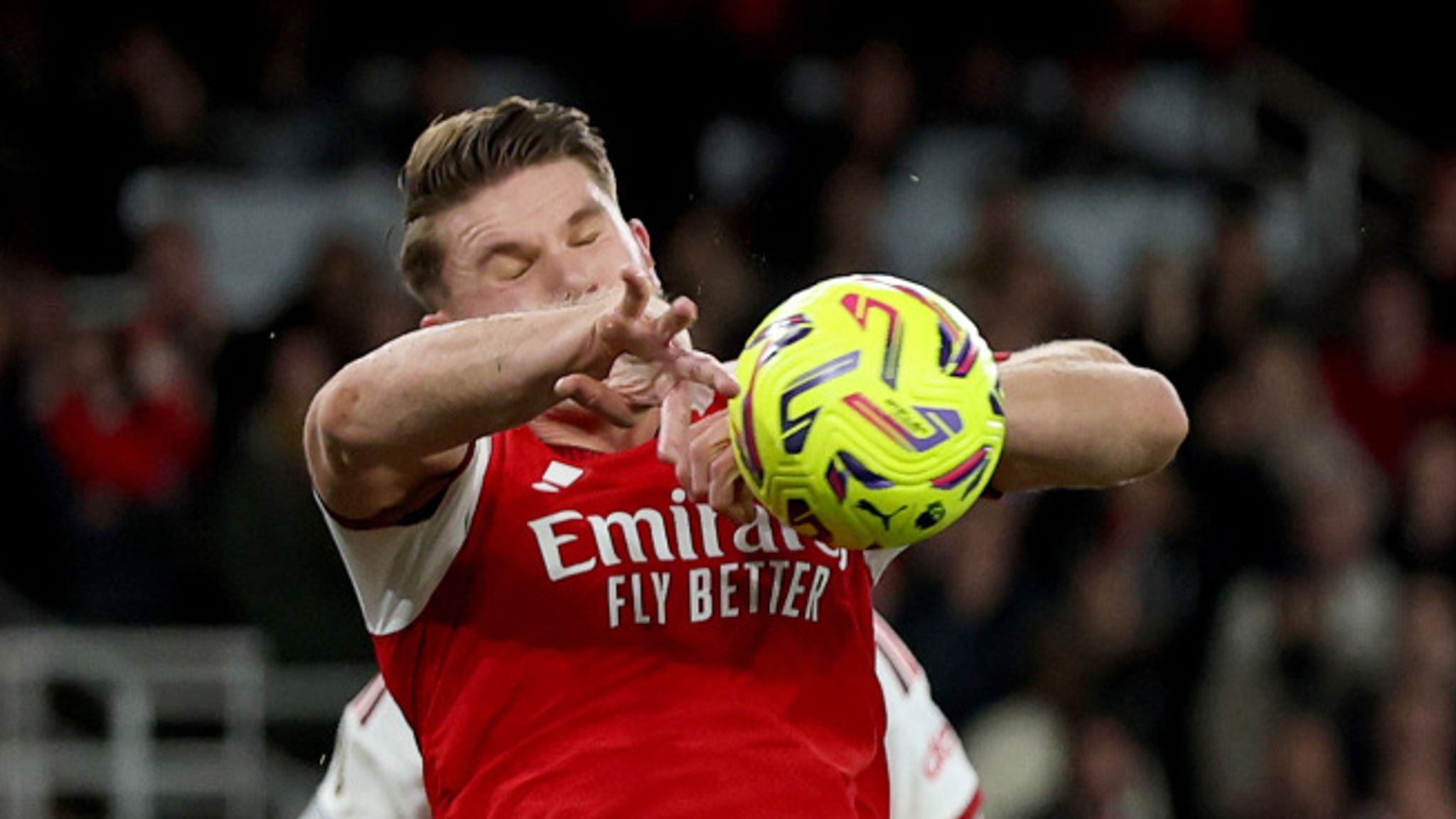
Arsenal and Manchester City produced a thrilling 2-2 draw at the Emirates on Sunday, but the biggest talking point came right at the end. In the sixth minute of stoppage time, a City header struck the hand of Arsenal striker Viktor Gyokeres inside the penalty area. The referee waved play on, VAR backed him, and City were left furious.
So what actually happened, and why did the officials decide it was not a penalty? Here is a clear breakdown.
What Happened in the 97th Minute
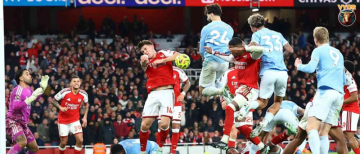
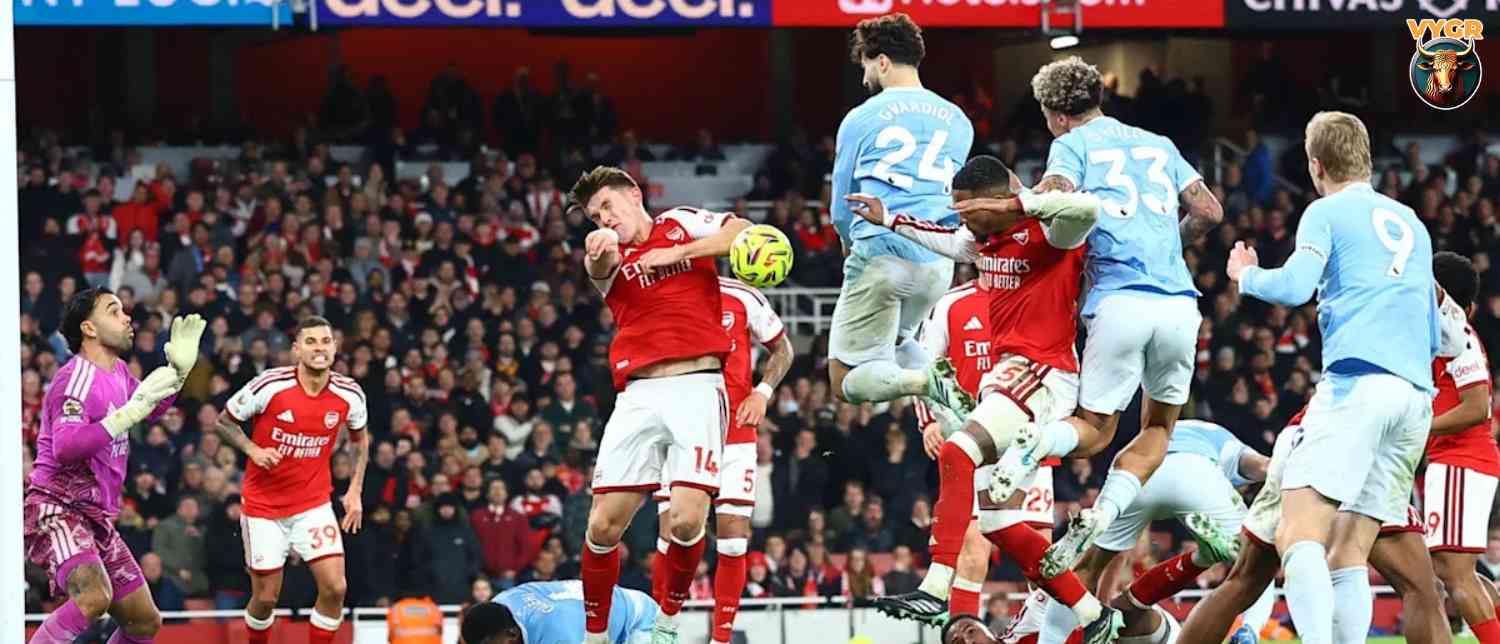
City won a corner deep in stoppage time with the score level. Josko Gvardiol rose to meet it and sent a close-range header goalwards. Gyokeres, standing near the line, blocked it, and the ball hit his hand. Gvardiol’s effort looked like it was heading in, which is why City’s players appealed so loudly.
Referee John Brooks let play go on. The VAR, Darren England, looked at the replays and left the on-field decision alone.
What the Officials Said
The Premier League published the conversation between the referee and the VAR room. Brooks said the ball may have hit a hand but that he did not think it was deliberate. The VAR then explained the reason for sticking with the decision: it was the left hand, and it was tucked in.
The league’s official statement said the referee’s call of no penalty was checked and confirmed by VAR. In other words, the officials judged that Gyokeres’ arm was in a natural position as he tried to deal with the ball.
How the Handball Law Works
Handball is one of the most debated rules in football, and it is not as simple as “the ball hit a hand.” In general terms, officials consider several things.
- Was the contact deliberate? A player who moves a hand to the ball can be penalised.
- Was the arm in an unnatural position? If a player makes their body bigger and the ball hits their arm, it is more likely to be an offence.
- Was the arm close to the body? An arm tucked in at the player’s side is generally treated as natural.
- How much time did the player have to react? Balls hit from very close range, or that arrive unexpectedly, are judged differently.
In this case, the officials focused on the second and third points. Their view was that Gyokeres’ left arm was held close to his body and that he was not trying to make himself bigger.

Why Many Disagreed
The decision did not sit well with everyone. Former players turned pundits Gary Neville and Jamie Carragher both felt that City should have been awarded a penalty, with the decision described by some as shocking. Former Arsenal player Ian Wright also questioned the explanation, asking whether the officials had looked at the right hand as well as the left.
The criticism centres on a few key points.
- The ball appeared to be heading into the goal. Critics argue that when a handball stops a certain goal, the standard for awarding a penalty should be taken seriously.
- The VAR commentary focused only on the left hand. Some questioned whether both arms had been properly checked.
- Consistency. Fans and pundits regularly complain that similar incidents are judged differently from week to week.
The Case for the Officials
There is another side to it. Supporters of the decision point out that the incident happened at very close range, with Gyokeres having little time to react to a header from a corner. When the ball arrives quickly from a short distance, and the arm is close to the body, officials often decide there is no offence. The VAR also only intervenes when there is a clear and obvious error, and the officials clearly felt this did not meet that standard.
That is the reality of the handball law: two experienced people can look at the same replay and honestly disagree.
Other Key Decisions in the Match
This was not the only moment that went to the video screen. Earlier in the game, an Arsenal goal was checked after replays showed possible contact by Gabriel on City goalkeeper Gianluigi Donnarumma, along with a possible handball. After a lengthy review, the officials found no foul and no handball, and the goal stood. City will feel that the balance of decisions did not go their way, while Arsenal will say each call was reviewed and correct.
What It Means for the Title Race
A draw leaves both sides frustrated for different reasons. For City, the missed chance at a late winner could end up costing two points in a tight race. For Arsenal, they escaped with a point despite a late scare. Managers on both sides will be asked about the officiating, and the debate over VAR and the handball law is likely to continue.
The Bigger Picture
Moments like this keep the same questions alive. Should the handball law be simplified? Should the VAR have been more willing to ask the referee to look at the screen himself? And how can the Premier League improve consistency? For now, the decision stands, and Gyokeres’ hand will be replayed and argued over for days.
Final Word
To answer the question in short: City were not given a penalty because the referee and the VAR judged that Gyokeres’ arm was in a natural, tucked-in position and that the contact was not deliberate. Whether that was the right call is what everyone is still arguing about.
© Copyright 2026. All Rights Reserved. Powered by Vygr Media.