 By
By 
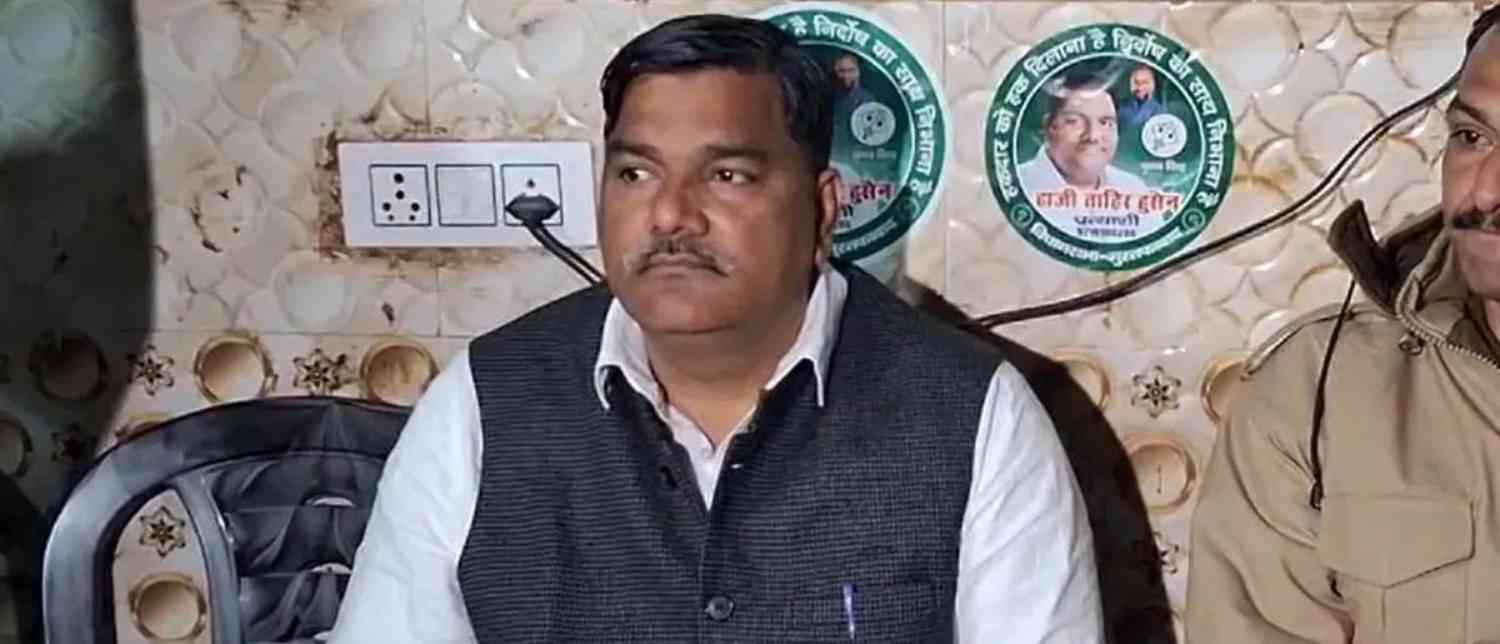
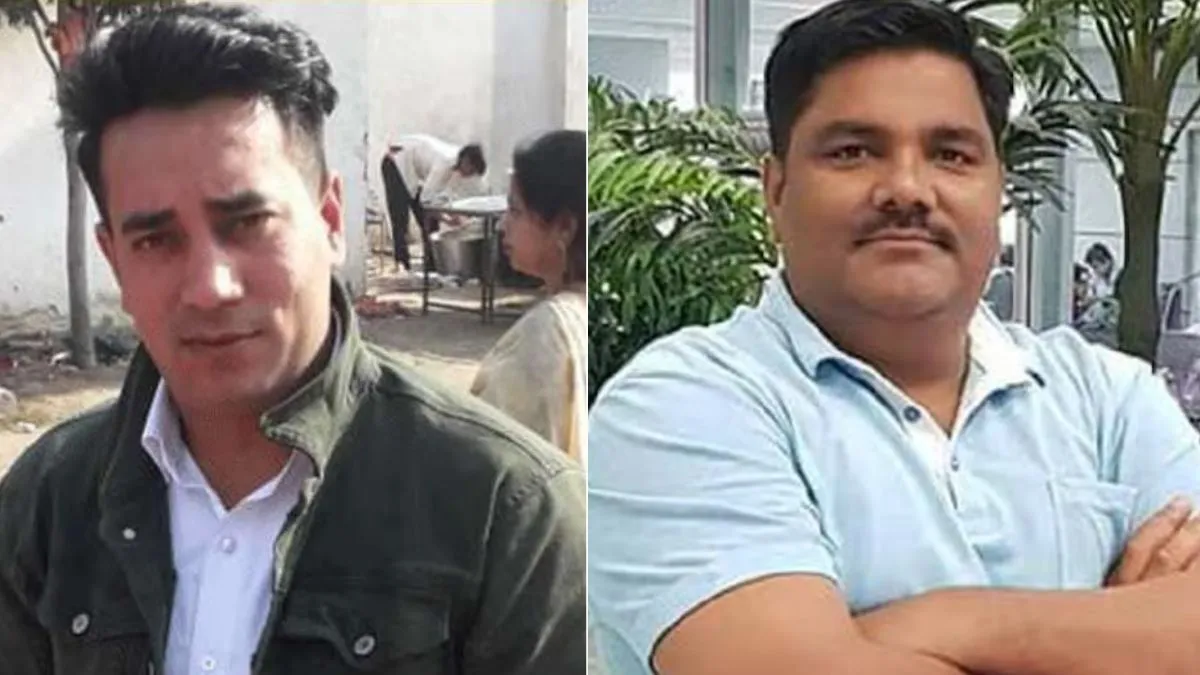
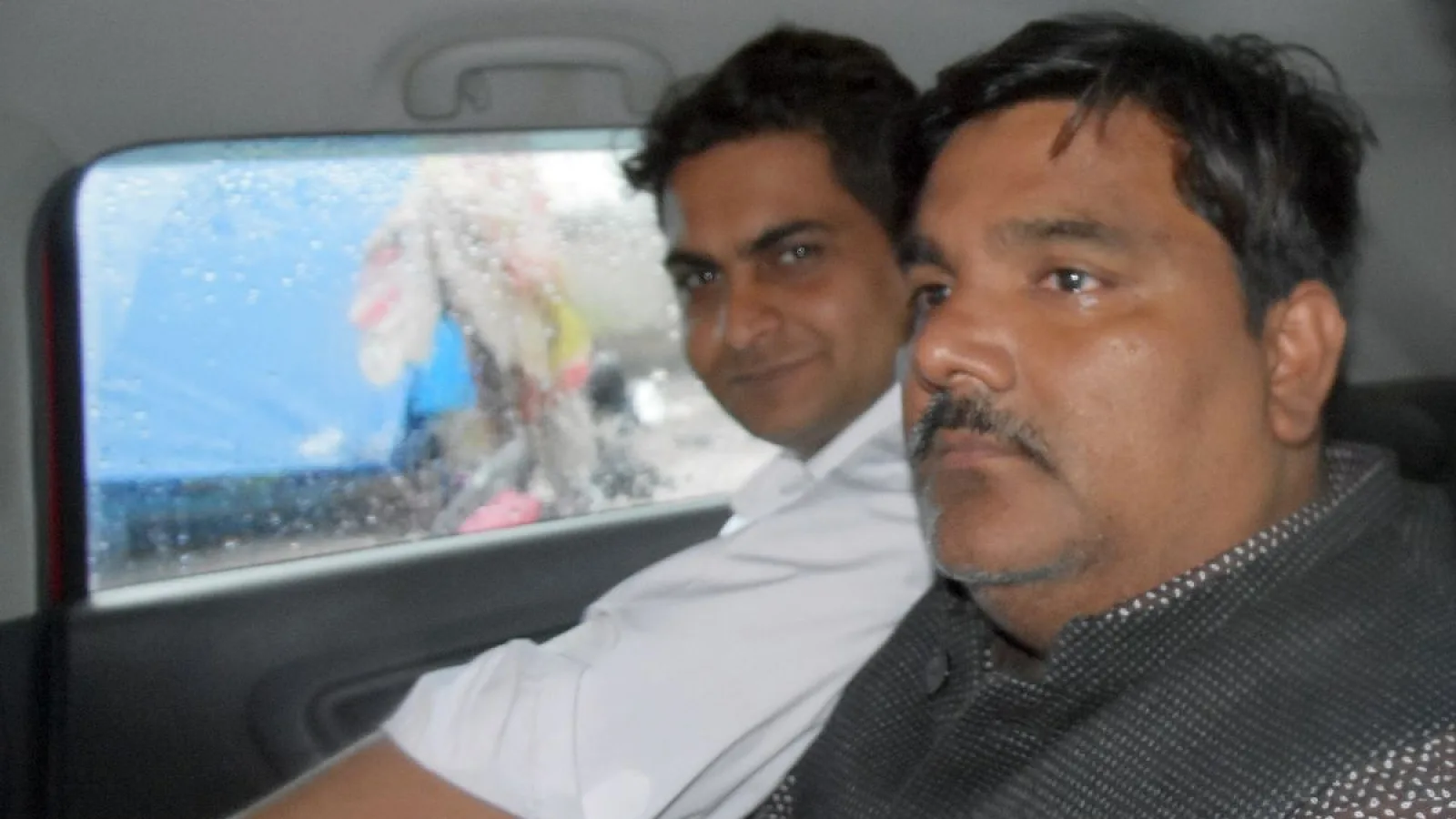
A Delhi court has convicted former Aam Aadmi Party (AAP) councillor Tahir Hussain and four others for the murder of Intelligence Bureau (IB) staffer Ankit Sharma during the 2020 North-East Delhi riots, bringing a significant development in one of the most closely watched criminal cases arising from the communal violence that shook the national capital over six years ago.
The verdict was delivered by Additional Sessions Judge Sameer Bajpai at Delhi's Karkardooma Court after an extensive trial involving multiple accused, eyewitness testimonies, forensic evidence, medical records, and video footage collected during the investigation. The court held Tahir Hussain guilty along with four co-accused, while acquitting several others after extending them the benefit of doubt due to insufficient evidence against them.
A Landmark Verdict in the Delhi Riots Cases
The conviction marks one of the most significant judicial outcomes connected to the February 2020 Delhi riots, which claimed more than 50 lives and left hundreds injured. The killing of Ankit Sharma, whose body was recovered from a drain near Chand Bagh after he went missing amid the violence, became one of the defining cases of the riots because of its brutality and the prominence of the victim as an Intelligence Bureau employee.
According to the prosecution, Hussain played a central role in orchestrating the violence from his residence, where a large mob had allegedly assembled during the riots. Investigators argued that Sharma was attacked by members of the mob, subjected to a brutal assault, and later thrown into a nearby drain. The prosecution maintained that the murder was not an isolated act but part of a larger conspiracy linked to the communal violence unfolding in the area.
Prosecution Relied on Multiple Forms of Evidence
During the trial, the prosecution presented a wide range of evidence, including eyewitness accounts, CCTV footage, call records, forensic material, police testimonies, and the post-mortem examination.
Investigators told the court that Tahir Hussain's residence functioned as a base for the violent mob during the riots. The prosecution also relied on witness statements claiming that petrol bombs, stones, acid packets and other projectiles were stockpiled and used from the building. Several witnesses identified Hussain as being present at or near the scene during the violence.
The post-mortem report revealed the severity of the assault. Medical experts found multiple stab wounds and numerous external injuries on Sharma's body, concluding that the injuries caused fatal damage to his lungs and brain, resulting in hemorrhagic shock. The nature of the injuries became a crucial piece of evidence during the proceedings.
Defence Denied the Allegations
Throughout the trial, Tahir Hussain denied the charges and maintained that he had been falsely implicated. His legal team argued that he himself had sought police protection during the riots and claimed there was no direct evidence establishing that he participated in or ordered Sharma's killing.
The defence also questioned the credibility of several prosecution witnesses and challenged the prosecution's theory of conspiracy. However, after examining the evidence presented over the course of the trial, the court concluded that the prosecution had proved its case beyond reasonable doubt against Hussain and four others.
Chronology of the Murder Case
The case traces back to February 2020, when communal violence erupted across several parts of North-East Delhi following escalating tensions over the Citizenship Amendment Act (CAA). Areas including Chand Bagh, Jaffrabad, Maujpur and Bhajanpura witnessed intense clashes, arson and large-scale destruction.
On February 25, Intelligence Bureau staffer Ankit Sharma went missing after leaving his home. The following day, his body was recovered from a drain near Chand Bagh, close to the residence of Tahir Hussain. His death immediately became one of the most sensitive investigations linked to the riots.
The Delhi Police Crime Branch subsequently took over the investigation, arrested multiple accused, and filed a chargesheet alleging criminal conspiracy, unlawful assembly, rioting, murder and destruction of evidence. Over the next several years, the court heard testimonies from numerous witnesses and examined extensive documentary and forensic evidence before reserving its verdict.
Court's Findings
The court found that the prosecution had successfully established the role of Tahir Hussain and the four co-convicts in the murder of Ankit Sharma. It accepted the prosecution's argument that the victim had been attacked by a violent mob associated with the accused during the communal disturbances.
At the same time, the court acquitted several other accused individuals after observing that the evidence against them did not satisfy the legal threshold required for conviction. The judgment highlighted the importance of evaluating the evidence individually against each accused rather than applying collective liability without sufficient proof.
Political and Legal Significance
The conviction represents a dramatic fall for Tahir Hussain, who served as an elected municipal councillor before becoming one of the principal accused in the Delhi riots investigations. The case has attracted sustained national attention because of Hussain's political profile and because it concerns one of the most widely discussed killings during the riots.
Legal experts also view the verdict as an important milestone in the broader judicial process surrounding the 2020 Delhi riots. Numerous criminal cases arising from the violence remain pending before various courts, making this judgment one of the first major convictions in a murder trial linked to the riots.
The Road Ahead
With the conviction now recorded, the court is expected to conduct separate proceedings to determine the sentence to be imposed on the convicted persons. Depending on the offences for which they have been found guilty, the punishment could range from life imprisonment to other penalties prescribed under the law.
The convicts retain the legal right to challenge the judgment before a higher court through the appellate process. The Delhi High Court will likely become the next stage of litigation if appeals are filed.
For Ankit Sharma's family, the verdict concludes one phase of a legal battle that has continued for more than six years. For the criminal justice system, it marks another significant step in adjudicating the complex and politically sensitive cases that emerged from one of Delhi's deadliest episodes of communal violence in recent history.
With input from agencies
Image Source: Multiple agencies
© Copyright 2026. All Rights Reserved. Powered by Vygr Media.