 By
By 
How to Identify a Genuine Banarasi Saree Before Buying One in Banaras
A trip to Banaras is incomplete for many visitors without taking home a Banarasi saree. Known for its intricate weaving, traditional designs and connection with the cultural heritage of Varanasi, Banarasi sarees remain one of the city's most popular purchases.
But with different varieties available in the market, how can a buyer tell whether a saree is genuinely made from silk and traditional weaving techniques or is a synthetic alternative?
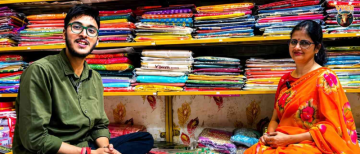
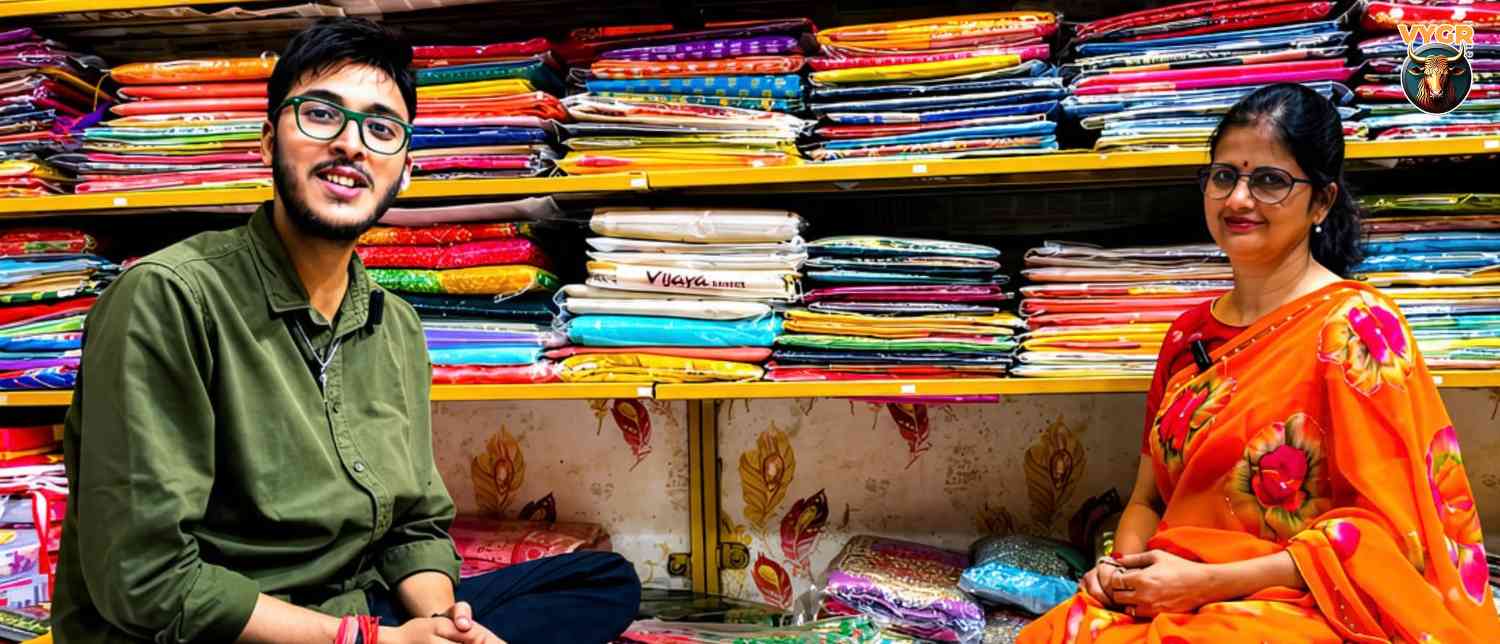
In the latest episode of “Ghoomo Kashi Ghoomo,” Aditya Rai explores this question with Yamini Sharma, an advocate and textile designer.
Why Does a Banarasi Saree Cost More?
According to Sharma, genuine Banarasi sarees are generally not available at extremely low prices because of the craftsmanship and materials involved.
She points out that buyers should be cautious when a seller claims to offer a genuine Banarasi saree at an unusually low price.
However, price alone should not be treated as proof of authenticity. Buyers should also ask about the fabric, weaving technique, origin and available authenticity documentation.
Check the Weaving
One of the points highlighted in the video is the reverse side of the saree.
Certain machine-made synthetic sarees may look attractive from the front but have noticeably different weaving patterns at the back. Examining the finishing and weaving can therefore give buyers useful clues.
Be Careful With Excessive Shine
Another factor discussed is the appearance of the fabric.
Some synthetic fabrics can have an unusually glossy appearance that may not resemble the natural look of silk. But visual appearance alone cannot conclusively establish whether a saree is genuine.
For buyers, checking the product details and purchasing from a trustworthy seller is a safer approach.
Avoid DIY Fire Tests
A common piece of advice associated with identifying silk involves burning a small thread of the fabric.
However, buyers should not attempt fire or burn tests themselves, especially inside shops or homes. Such tests can cause burns, damage the saree or create a fire hazard.
Instead, ask the seller about the fabric composition and look for appropriate certification or product documentation.
What Should You Check Before Buying a Banarasi Saree?
Before purchasing, consider these points:
- Ask whether the saree is pure silk or a synthetic blend.
- Check the weaving and finishing carefully.
- Be cautious about unusually low prices.
- Don't assume that excessive shine means quality.
- Ask about the saree's origin and manufacturing details.
- Look for relevant authenticity or handloom documentation where applicable.
- Buy from a reputed and transparent seller.
- Avoid unsafe DIY tests such as burning the fabric.
A Banarasi Saree Is More Than a Souvenir
For visitors to Kashi, a Banarasi saree can be much more than a shopping item. It represents generations of weaving traditions and the craftsmanship associated with Varanasi.
So, if you're planning to take one home, don't just look for the most attractive saree. Understand what you're buying.
📍 Royal Shahi Dhaga, Central Jail Road, Banaras is featured in the episode.
Have you ever bought a Banarasi saree from Varanasi? How did you verify its authenticity?
Share your experience in the comments and follow VYGR for more stories from Kashi.
© Copyright 2026. All Rights Reserved. Powered by Vygr Media.