 By
By 
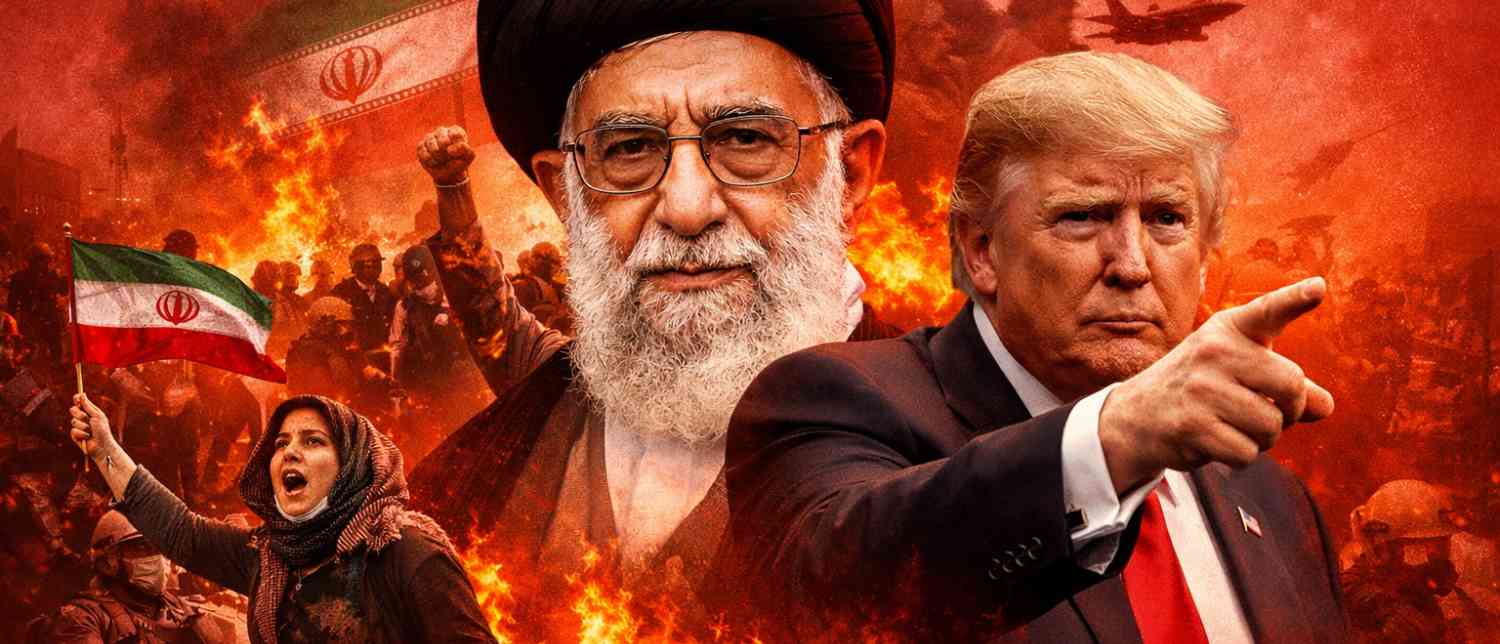
Iran is approaching one of the most consequential moments in its modern history. As mass protests swell across the country, the possibility that the Islamic Republic could be fundamentally altered—or even collapse—has become a subject of urgent concern for world leaders, investors, and regional powers alike. What is unfolding inside Iran is no longer just a domestic uprising driven by economic despair. It is a crisis with the potential to reshape global geopolitics, destabilise energy markets, weaken Russia’s alliance network, and ignite new fault lines across the Middle East.
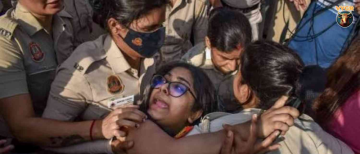
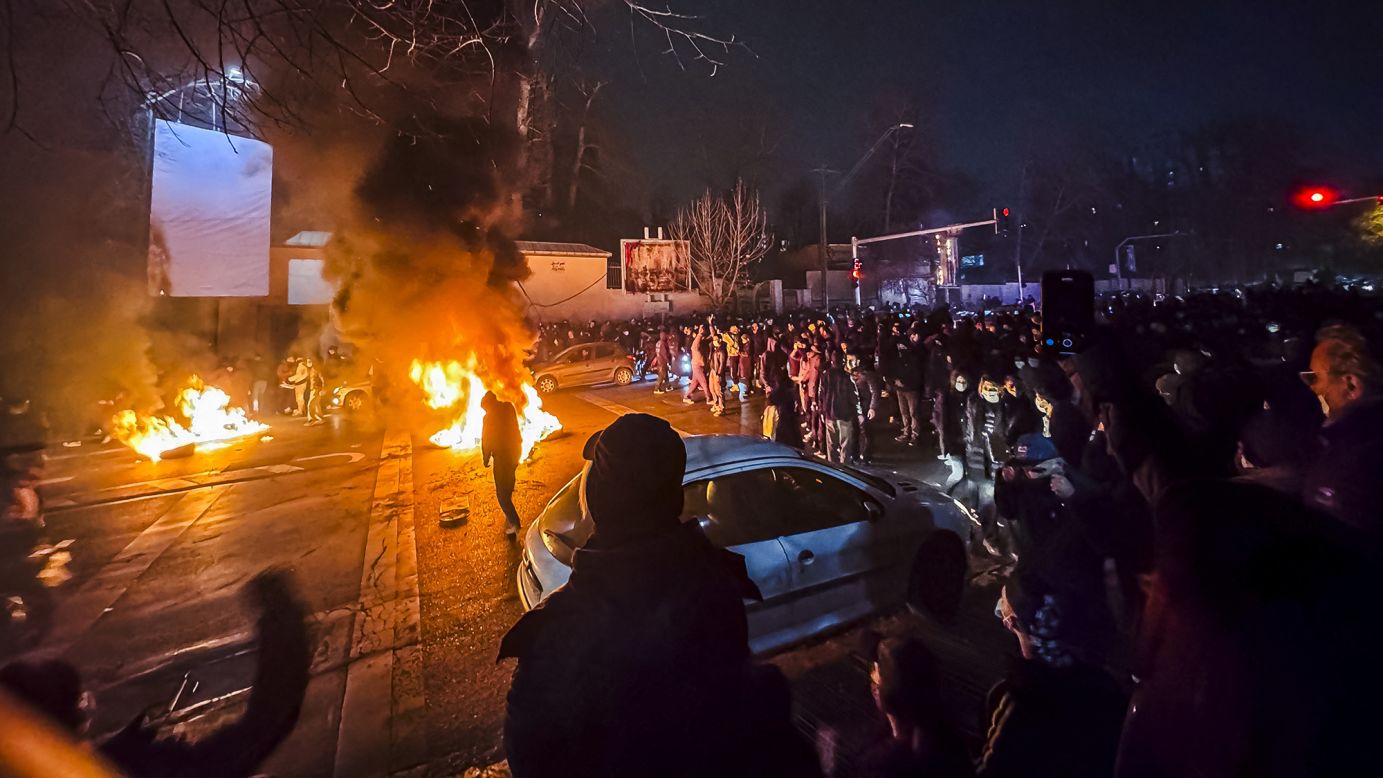
Demonstrations that began just over two weeks ago have spread at remarkable speed. Night after night, hundreds of thousands of Iranians have defied threats, arrests, and lethal force to take to the streets in Tehran and dozens of other cities across the country of nearly 90 million people. While Iran’s leadership has survived repeated protest waves since the 1979 Islamic Revolution, many analysts believe this moment is fundamentally different.
“This is the biggest moment in Iran since 1979,” said William Usher, a former senior Middle East analyst at the CIA. “The regime is in a very tough spot right now, and the primary driver is the economy. They have a narrowing window to reassert control and a diminished toolset to do it.”
A Protest Movement Fueled by Economic Collapse
The immediate trigger for the unrest was economic. On December 28, traders in Tehran took to the streets after Iran’s currency, the rial, collapsed sharply against the US dollar. Their participation marked a significant escalation; traders had not played such a visible role in protests since the revolution that overthrew the Shah more than four decades ago.
Years of Western sanctions had already hollowed out Iran’s economy. Inflation surged beyond 50% last month, ordinary wages lost value almost overnight, and shortages of basic goods intensified public anger. The situation worsened after last summer’s 12-day conflict with Israel, during which the United States also bombed Iranian nuclear facilities.
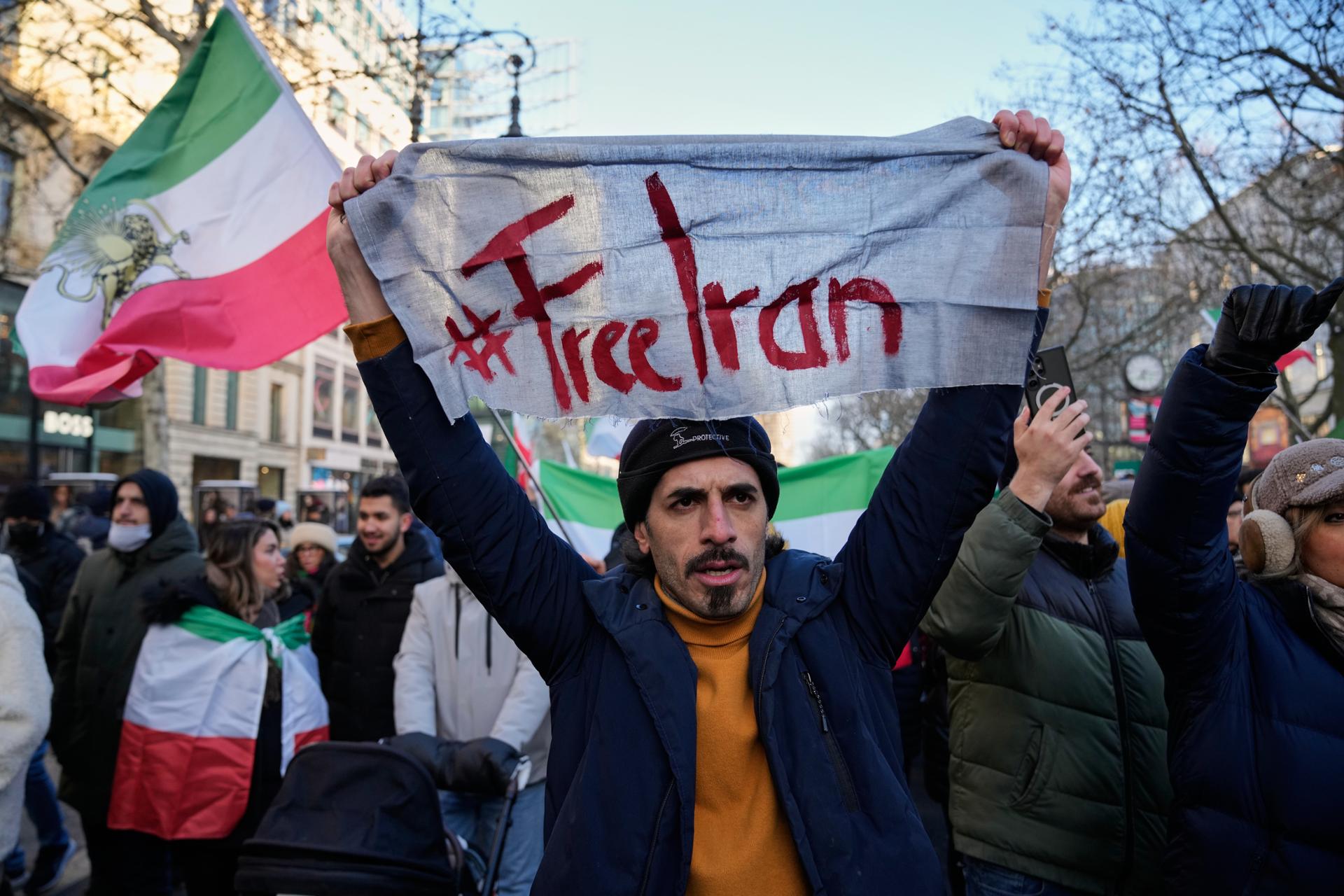
Yet what began as an economic protest quickly evolved into something far broader. Demonstrations spread to more than 100 cities across all 31 provinces, drawing in young men, women, religious conservatives, secular elites, and even the elderly. Protesters chanted slogans directly targeting the Islamic regime—an unusually bold step in a country where dissent is typically expressed with caution.
Unlike the feminist-centred protests of 2022, sparked by the death of Mahsa Amini in custody over hijab enforcement, this movement has cut across class, gender, and ideological lines. The scale of participation alone marks it as the most serious challenge to Supreme Leader Ayatollah Ali Khamenei’s rule since he took power in 1989.
A Brutal Crackdown and Rising Death Toll
The state’s response has been swift and violent. Authorities have imposed widespread internet and telecommunications blackouts, making it extremely difficult to verify events on the ground. Foreign airlines have cancelled flights, and security forces have flooded major urban centres.
Human rights groups paint a grim picture. The US-based Human Rights Activists News Agency reported that more than 500 people were killed in just two weeks, with over 10,000 arrested. Norway-based Iran Human Rights (IHR) later confirmed at least 648 deaths, including nine minors, while warning that the true toll could be far higher—possibly exceeding 6,000.
The most alarming claim came from Iran International, an opposition-linked outlet, which reported that internal security data suggest as many as 12,000 people may have been killed during a coordinated nationwide crackdown on January 8 and 9. According to the report, the killings were carried out largely by the Islamic Revolutionary Guard Corps (IRGC) and Basij forces under direct orders authorised by Iran’s Supreme National Security Council.
Iranian officials have rejected these figures. One official told Reuters that around 2,000 people had died and blamed “terrorists” for the violence. The vast discrepancy underscores how difficult independent verification has become amid severe information restrictions.
Executions as a Tool of Fear
The regime’s determination to crush dissent was further underlined by reports of its first execution linked to the protests. Erfan Soltani, a 26-year-old arrested during demonstrations in Karaj near Tehran, is reportedly scheduled to be hanged without a proper trial.
According to Iran Human Rights, Soltani’s family was informed that his death sentence—issued on charges of “waging war against God”—would be carried out on January 14. Rights groups say he was denied access to a lawyer. The National Union for Democracy in Iran described his only crime as “shouting for freedom for Iran” and appealed to the international community to intervene.
Mahmood Amiry-Moghaddam, director of IHR, compared the current killings to the mass executions of the 1980s, which have been recognised as crimes against humanity. “The international community has a duty to protect civilian protesters against mass killing by the Islamic Republic,” he said.
Trump, Regime Change, and the Shadow of War
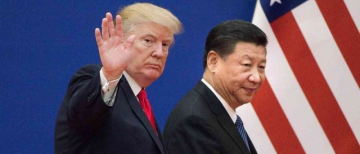
As Iran’s streets burn, Washington is watching closely. President Donald Trump has repeatedly warned Tehran that the United States would strike if peaceful protesters are killed. Speaking aboard Air Force One, Trump said, “We’re looking at it very seriously. The military is looking at it, and we’re looking at some very strong options.”
US commanders have briefed the president on potential military strikes, according to White House officials. Trump has also said he would speak with Elon Musk about using Starlink to restore internet access in Iran.
The rhetoric comes as Trump projects a renewed willingness to reshape the global order through force. Fresh from the seizure of Venezuela’s Nicolas Maduro earlier this month and following last year’s bombing of Iranian nuclear facilities, the administration appears emboldened. It has also escalated pressure on Denmark to cede control of Greenland, signalling an appetite for bold—and controversial—foreign interventions.
Yet Iran is not Venezuela. It is nearly as large as Western Europe and retains significant military capabilities, despite damage from Israeli and US strikes. Last year, Iran’s retaliatory attacks forced Israel into a ceasefire—an outcome rarely achieved by groups like Hamas or Hezbollah.
Trump’s advisers are acutely aware of historical pitfalls. The failed 1980 Operation Eagle Claw, which sought to rescue American hostages in Tehran, remains a cautionary tale. Moreover, US and Israeli strikes risk backfiring by strengthening nationalist sentiment, as seen during last summer’s war.
White House Press Secretary Karoline Leavitt has emphasised that while airstrikes remain “one of many options,” diplomacy is still Trump’s preferred first step. At the same time, the president has threatened to impose a 25% tariff on any country conducting business with Iran.
Oil Markets on Edge
Global energy markets are already reacting. Brent crude surged more than 5% over two days to above $63 a barrel as traders priced in the risk of supply disruptions in OPEC’s fourth-largest producer.
So far, Iran’s main oil-producing province, Khuzestan, has not seen confirmed unrest, and exports have not been reduced. However, Reza Pahlavi—the exiled son of the last Shah—has urged oil workers to strike. In 1978, similar strikes delivered a fatal blow to the monarchy by paralysing the economy.
“There is growing concern that the US, with Trump at the helm, could exploit the chaos to attempt to overthrow the regime,” said Arne Lohmann Rasmussen of A/S Global Risk Management.
Iran has warned that if attacked, American assets in the region and Israel would be “legitimate targets.” A closure of the Strait of Hormuz, through which more than half of India’s oil and gas imports pass, would send shockwaves through the global economy.
Regional Fears and the Risk of Chaos
Arab leaders in the Gulf Cooperation Council are deeply uneasy. While Saudi Arabia, the UAE, and Qatar have often viewed Iran as an adversary, they have worked in recent years to improve ties, fearing that instability could spill across borders.
“The spectre of the Arab Spring looms large,” said Ellie Geranmayeh of the European Council on Foreign Relations. “Better the devil you know than complete chaos.”
Iran’s protest movement is broad but fragmented. It lacks a unifying leader, increasing the risk that a collapse could produce power vacuums, ethnic fragmentation, and prolonged violence. Usher warned of possible autonomy drives by minority regions and a fierce fight by the IRGC to preserve the system.
The Power of the Revolutionary Guards
The IRGC remains the regime’s greatest asset. With nearly 200,000 armed members and its own navy and air force, it operates as a parallel military. It also controls vast economic interests and oversees foreign operations through the Quds Force, which helped create Hezbollah and the Houthis.
As protectors of the Islamic Revolution, the Guards’ survival is tied to the regime’s existence. Any Western intervention would almost certainly target them, but they are unlikely to relinquish power without a bloody struggle.
What Comes Next?
Bloomberg Economics analyst Dina Esfandiary believes the Islamic Republic is unlikely to survive in its current form beyond 2026. The most probable outcomes include a leadership reshuffle or a coup by the IRGC—scenarios that could bring greater social freedoms but less political liberty and a more militarised foreign policy.
“A collapse appears unlikely for now,” she said, noting Iranians’ fear of chaos after witnessing devastation in Iraq and Syria.
President Masoud Pezeshkian has attempted to strike a conciliatory tone, urging dialogue and expressing condolences for the “tragic consequences” of unrest. Few protesters, however, are persuaded, as hardliners continue to float the death penalty and threaten further repression.
Why Iran’s Crisis Matters to India
For India, the stakes are enormous. Iran is a close neighbour, a key trading partner, and a critical node in New Delhi’s strategic ambitions. India exported goods worth £1.24 billion to Iran last year and recently resumed oil purchases after reducing imports from Russia under US pressure.
Projects like the Chabahar Port, the International North-South Transit Corridor, and the India–Middle East Economic Corridor all depend on stability in Iran. Prolonged unrest—or war—could derail them indefinitely.
A wider Middle Eastern conflict would also endanger millions of Indian workers in the Gulf and threaten global energy supplies.
A World Holding Its Breath
If Iran’s regime falls, it would deal a severe blow to Russian President Vladimir Putin, who has already lost allies in Venezuela and Syria. It could also trigger months—or years—of uncertainty, civil conflict, and regional instability.
Donald Trump’s caution may stem less from concern for Iranian democracy and more from fear of economic fallout. As seen in Venezuela, he is willing to overlook popular opposition if it suits American interests.
For now, the world watches as Iran stands at a crossroads. Whether this moment leads to reform, repression, or revolution, its consequences will reverberate far beyond Iran’s borders—reshaping global power in ways that may only become clear years from now.
With inputs from agencies
Image Source: Multiple agencies
© Copyright 2025. All Rights Reserved. Powered by Vygr Media.