 By
By 
Nepal’s snap general election of March 5, 2026, may prove to be one of the most consequential political moments in the country’s modern history. What unfolded at the ballot box was not merely a routine transfer of power but a sweeping political realignment driven by a new generation of voters frustrated with entrenched elites and chronic instability. The results signal the emergence of a “new” Nepal—one shaped by youth activism, digital politics, and demands for governance reform.
For India, which shares deep historical, cultural, and economic ties with its Himalayan neighbor, the moment presents both opportunity and uncertainty. A stable government in Kathmandu could help revive stalled bilateral initiatives, yet the rise of a new political force determined to assert Nepal’s autonomy may also introduce a sharper tone in diplomacy.
Understanding how India should engage with this evolving landscape requires examining the dramatic election results, the social upheavals that preceded them, and the geopolitical implications that follow.
A Transformative Electoral Verdict
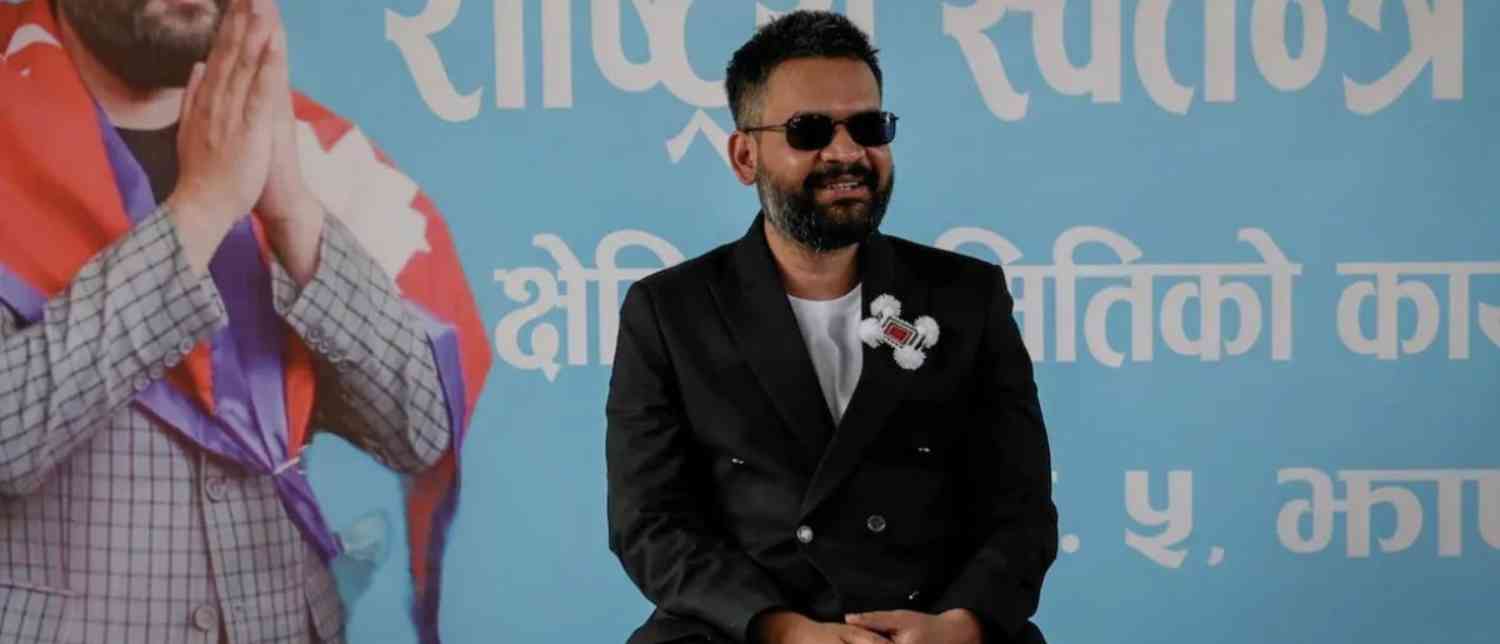
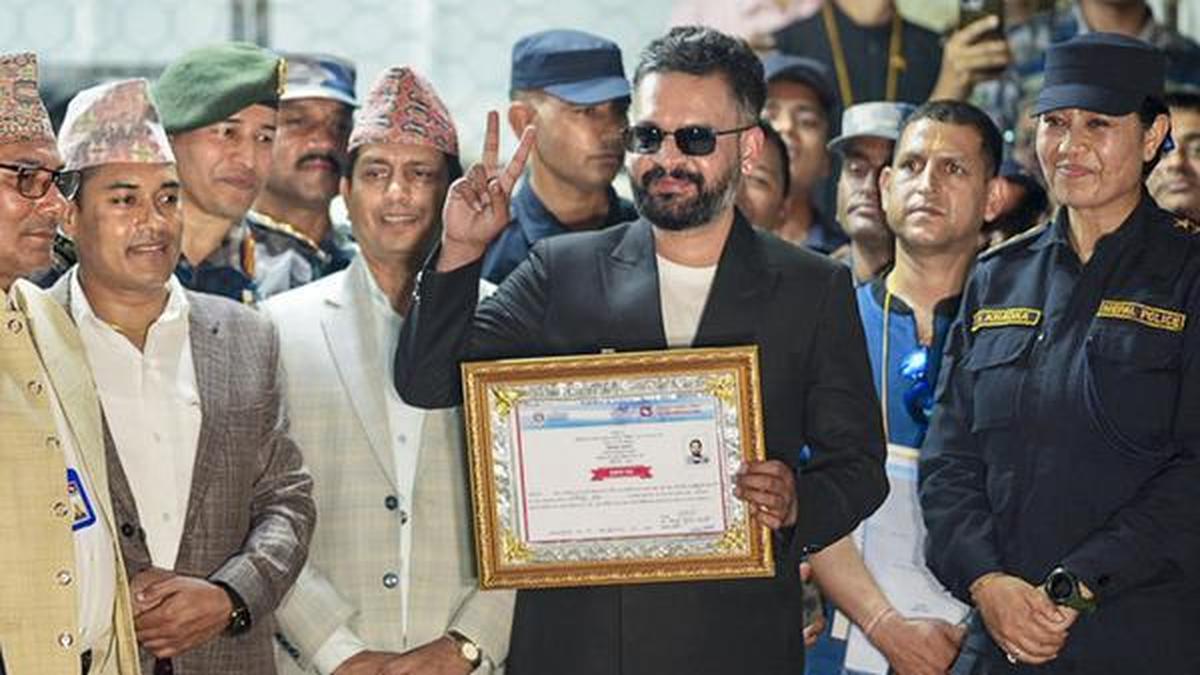
Nepal’s 275-member House of Representatives election delivered a political earthquake. The four-year-old Rastriya Swatantra Party (RSP), led by rapper-turned-politician Balendra Shah—popularly known as Balen—emerged as the dominant political force.
The scale of its victory is remarkable. The RSP captured 120 of the 165 seats decided under the first-past-the-post (FPTP) system. In the proportional representation vote, the party secured 4,049,604 votes—about 49.14 percent—making it the largest force there as well.
Nepal’s parliamentary system elects 165 members through direct voting and 110 through proportional representation. With more than four million votes in the proportional category, the RSP is expected to gain roughly 40 additional seats, bringing its projected total to around 164 seats in the 275-member chamber—well above the 138 required for a simple majority.
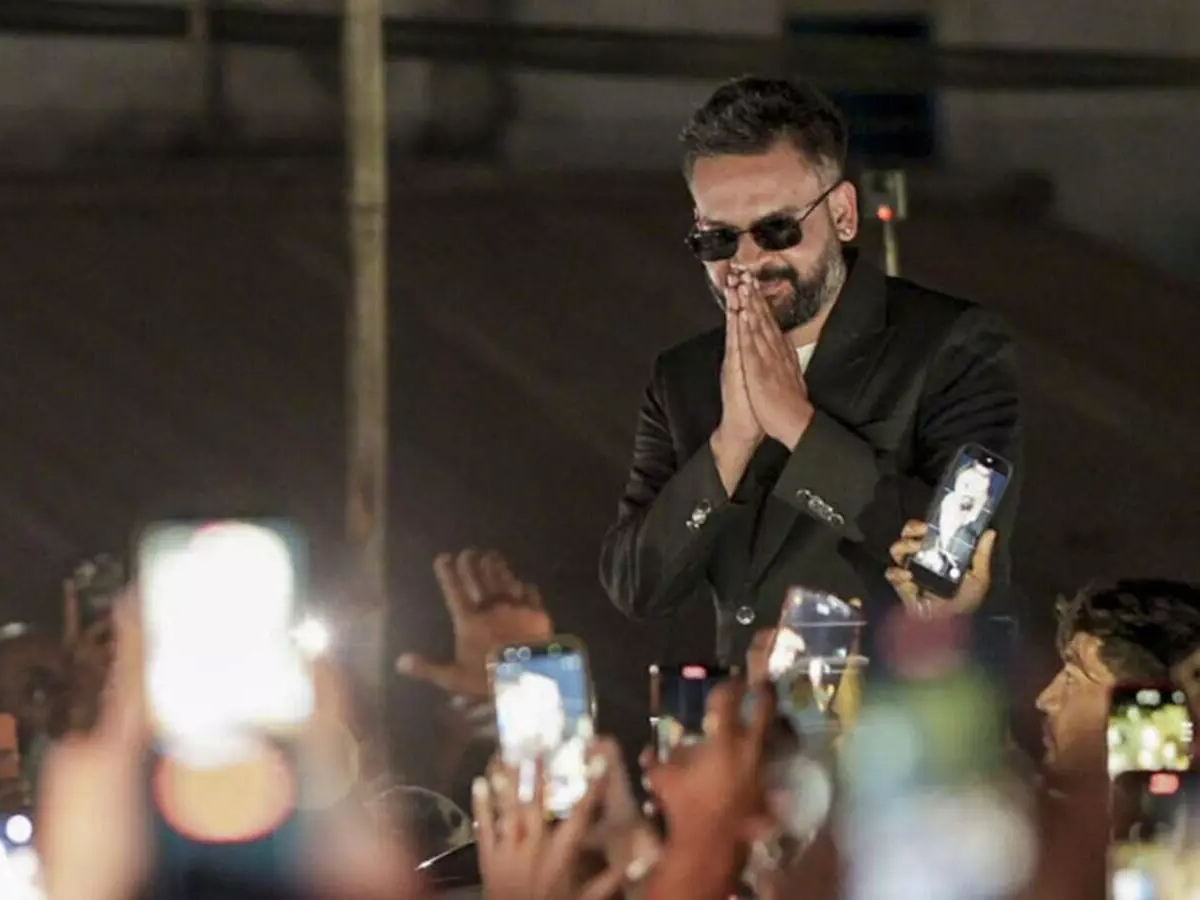
Voter participation remained strong despite political turbulence. Nearly 60 percent of Nepal’s 18.9 million registered voters cast their ballots. Significantly, close to one million first-time voters from Generation Z participated, a demographic that proved crucial in reshaping the political landscape.
The results for 161 of the 165 FPTP constituencies have already been declared, with the remaining four expected shortly. Political observers widely agree that the outcome clears the path for an RSP-led government under Shah’s leadership.
Collapse of the Old Political Order
The election also marked the dramatic decline of Nepal’s traditional political parties that had dominated the country since the democratic transition of the 1990s.
The Nepali Congress, once the central pillar of Nepali politics, secured just 17 seats—a staggering drop of 72 compared to its tally in the 2022 elections. The Communist Party of Nepal–Unified Marxist-Leninist (CPN-UML) fared even worse, falling to just seven seats, down by 71. The Nepal Communist Party (NCP) also slipped to seven seats.
Other smaller political formations made only marginal gains. The Shram Sanskriti Party secured three seats, while the Rastriya Prajatantra Party and a handful of independent candidates managed single victories.
Perhaps the most symbolic moment of the election came in Jhapa-5, where Shah defeated former Prime Minister K.P. Sharma Oli himself. The upset was widely interpreted as a direct rejection of Nepal’s entrenched political elite.
The scale of the shift reflects deep public frustration with a political system that has struggled to provide stable governance. Nepal has witnessed fourteen governments in the past seventeen years, with fragile coalitions frequently collapsing amid factional rivalries.
The Youth-Led Revolt That Changed Nepal
The roots of this political upheaval lie in the dramatic protests that rocked Nepal in September 2025.
The immediate trigger was a controversial decision by the Oli government to ban 26 social media platforms. Many Nepalis viewed the move as an attempt to silence dissent, particularly among younger citizens who had increasingly used digital platforms to criticize corruption and nepotism.
The ban collided with broader socioeconomic frustrations. Youth unemployment in Nepal had crossed 20 percent among those aged 15 to 24, while opportunities at home remained scarce. As a result, approximately 1,500 Nepalis were leaving the country every day in search of work abroad.
Digital activism quickly transformed into mass protest. Online campaigns—most prominently under the hashtag #NepoKid—targeted dynastic politics and corruption within traditional parties. What began as a social media movement soon spilled onto the streets.
The demonstrations culminated in the “Day of Rage” protests on September 8–9, 2025. The violence left 76 people dead and more than 2,000 injured, marking one of the most turbulent episodes in Nepal’s recent history.
The unrest forced Oli to resign. Shortly afterward, Parliament was dissolved on September 12, 2025, paving the way for snap elections. An interim administration led by former Chief Justice Sushila Karki—who became Nepal’s first female prime minister—oversaw the transition to the polls.
The Rise of Balendra “Balen” Shah
Amid this turmoil, the Rastriya Swatantra Party positioned itself as the vehicle of political renewal.
Balendra Shah’s unconventional background played a crucial role in shaping the party’s appeal. Known widely as Balen, Shah first gained prominence as a rapper before entering politics. His tenure as mayor of Kathmandu helped build his reputation as a reform-minded outsider capable of challenging entrenched interests.
The RSP’s campaign blended anti-corruption rhetoric with a digitally savvy outreach strategy. Through social media platforms, the party mobilized young voters and tapped into the anger generated by the 2025 protests.
Its ideological positioning also helped. The RSP presented itself as a centrist-liberal force advocating transparency, institutional reform, and economic modernization. These themes resonated strongly with youth-heavy constituencies, including Jhapa-5, where turnout surged dramatically.
The fragmentation of Nepal’s political landscape also worked in the party’s favor. With 143 parties and more than 3,400 candidates contesting the election, the RSP’s ability to consolidate protest sentiment proved decisive. It also absorbed smaller reform-oriented groups, including the Bibeksheel Sajha Party, further strengthening its base.
A Mandate for Political Transformation
For many observers, the election outcome reflects a powerful public demand for political transformation.
Outgoing Environment Minister Madhav Chaulagain, who served in the interim cabinet established after the 2025 protests, described the results as a clear expression of voter frustration with traditional governance structures.
“People wanted change, and this change was achieved legitimately through the ballot,” he noted, emphasizing that the scale of the RSP’s victory underscores the depth of public dissatisfaction with established parties.
Chaulagain also highlighted a notable generational shift in Nepal’s political class. Many newly elected representatives come from diverse professional backgrounds, including social activism, entrepreneurship, and even the entertainment industry.
These candidates, he argued, resonate strongly with voters who see them as agents of change rather than products of entrenched party hierarchies.
The emerging leadership also reflects a more globally aware generation that seeks to position Nepal within a competitive economic framework.
The Governance Test Ahead
Despite its commanding electoral victory, the RSP now faces the difficult task of translating protest energy into effective governance.
Domestically, expectations are high. Citizens want visible improvements in governance, transparency, and public service delivery. Corruption scandals and bureaucratic delays that plagued earlier administrations remain a major source of public anger.
The new government must also tackle structural economic challenges. Youth unemployment remains high, and the persistent outflow of workers abroad continues to drain talent from the country.
Shah’s economic agenda emphasizes digital innovation, reforms to Nepal’s remittance economy, and accelerated infrastructure development. Hydropower projects—an area where Nepal possesses enormous untapped potential—are expected to receive particular attention.
However, the new administration will also face institutional challenges. Many of the incoming lawmakers are political newcomers with limited parliamentary experience. Coordinating such a diverse group within Nepal’s complex bureaucratic and legislative systems may take time.
Chaulagain acknowledged that integrating these novice legislators into effective governance will require patience and coordination. Yet he also suggested that, if managed well, this influx of new voices could produce meaningful institutional reform.
Implications for India-Nepal Relations
For India, Nepal’s political reset presents a moment for careful recalibration.
Bilateral ties between the two countries have experienced periodic strains in recent years. Border disputes involving Kalapani, Lipulekh, and Limpiyadhura intensified after Nepal revised its political map in 2020 to include the contested territories.
These tensions, combined with Nepal’s internal instability, slowed several major projects involving Indian participation. One example is the Arun-3 hydropower project, whose progress was affected by the turbulence of 2025 as New Delhi waited for a stable government to emerge in Kathmandu.
The formation of a majority government could provide an opportunity to revive such initiatives. Energy cooperation, in particular, offers strong potential for mutual benefit. Nepal already exports several hundred megawatts of electricity to India, and expanded cross-border power trade could strengthen economic ties.
Outgoing minister Chaulagain has expressed optimism that relations will improve under the new leadership. Nepal and India share a nearly 1,500-kilometer border and maintain deep cultural and personal connections that underpin their partnership.
He emphasized that the incoming government understands the importance of maintaining strong ties with neighboring countries, especially at a time when regional cooperation is becoming increasingly vital.
Prime Minister Narendra Modi has already moved to establish rapport with the new leadership. In a phone conversation with RSP leaders Rabi Lamichhane and Balendra Shah, Modi congratulated them on their electoral victory and reiterated India’s commitment to working together for “mutual prosperity, progress and well-being.”
In a message posted on X, the Indian leader extended his best wishes for the forthcoming government and emphasized the importance of strengthening bilateral cooperation.
The China Factor
India’s engagement with Nepal must also consider the broader strategic context.
Over the past decade, China has expanded its economic footprint in Nepal through infrastructure investments under the Belt and Road Initiative. Projects such as the Pokhara International Airport symbolize Beijing’s growing presence in the country.
A government seeking to diversify Nepal’s external partnerships will likely attempt to balance its relationships with both India and China. Such strategic balancing is common across South Asia, but the specific dynamics of this balancing act often shape the tenor of bilateral relations.
Balendra Shah’s political rhetoric has occasionally included criticism of what he describes as India’s “big brother” approach toward Nepal. While this nationalist tone resonates domestically, it may also complicate diplomatic engagement if not carefully managed.
For New Delhi, therefore, the challenge lies in responding with sensitivity rather than reflexive suspicion. A partnership based on mutual respect and economic cooperation is more likely to resonate with Nepal’s new political generation.
A New Political Chapter for Nepal
Nepal’s 2026 election represents more than a dramatic electoral victory for one party. It marks the arrival of a new political era driven by younger voters, digital mobilization, and widespread dissatisfaction with traditional power structures.
The RSP’s dominance offers an opportunity to break Nepal’s cycle of fragile coalition governments and persistent instability. Yet the scale of the party’s mandate also raises the stakes. If expectations outpace delivery, the same youthful energy that propelled the movement could quickly turn into renewed political unrest.
For India, the message is clear: Kathmandu’s political landscape has changed, and old assumptions may no longer apply. Engagement with Nepal must reflect the aspirations of its emerging generation—one that demands transparency, autonomy, and economic opportunity.
If approached thoughtfully, this moment could strengthen India-Nepal relations while supporting Nepal’s democratic renewal. But doing so will require patience, humility, and a willingness to adapt to the realities of a “new” Nepal.
With inputs from agencies
Image Source: Multiple agencies
© Copyright 2025. All Rights Reserved. Powered by Vygr Media.