 By
By 
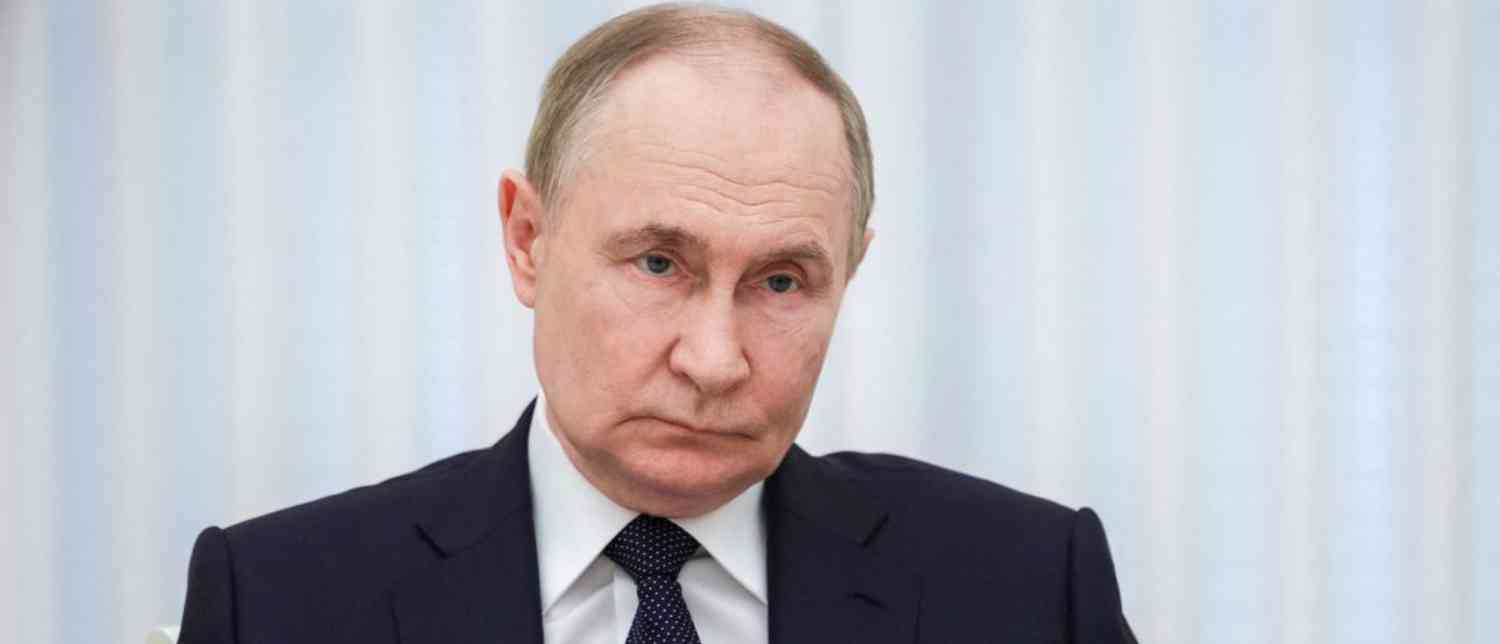
In the shadow of yet another failed diplomatic effort between Washington and Tehran, Vladimir Putin has stepped forward with a familiar yet strategically significant offer: mediation. The Russian president’s proposal, conveyed directly to his Iranian counterpart Masoud Pezeshkian, comes at a moment of renewed volatility in West Asia, after crucial talks between the United States and Iran reportedly collapsed in Islamabad.
The breakdown of negotiations in Pakistan’s capital has once again exposed the deep fractures between Washington and Tehran—fractures that continue to shape the geopolitical contours of the region. Against this backdrop, Moscow’s intervention signals not just a willingness to help, but a calculated move to position Russia as a central diplomatic broker in a crisis that has long resisted resolution.
Collapse in Islamabad
The now-defunct Islamabad talks were seen as a critical opportunity to ease tensions between the United States and Iran, particularly amid escalating concerns over Iran’s nuclear program and the broader security situation in West Asia. While details of the discussions remain closely guarded, reports indicate that the negotiations failed to produce any meaningful breakthrough, ultimately ending in deadlock.
This collapse has heightened fears of further escalation, especially given the already fragile state of relations between the two adversaries. For months, diplomatic channels had been quietly active, with intermediaries attempting to bring both sides closer to a framework that could de-escalate hostilities and potentially revive elements of previous agreements.
Instead, the failure in Islamabad has deepened uncertainty, raising questions about what diplomatic pathways remain viable.
Putin’s Intervention
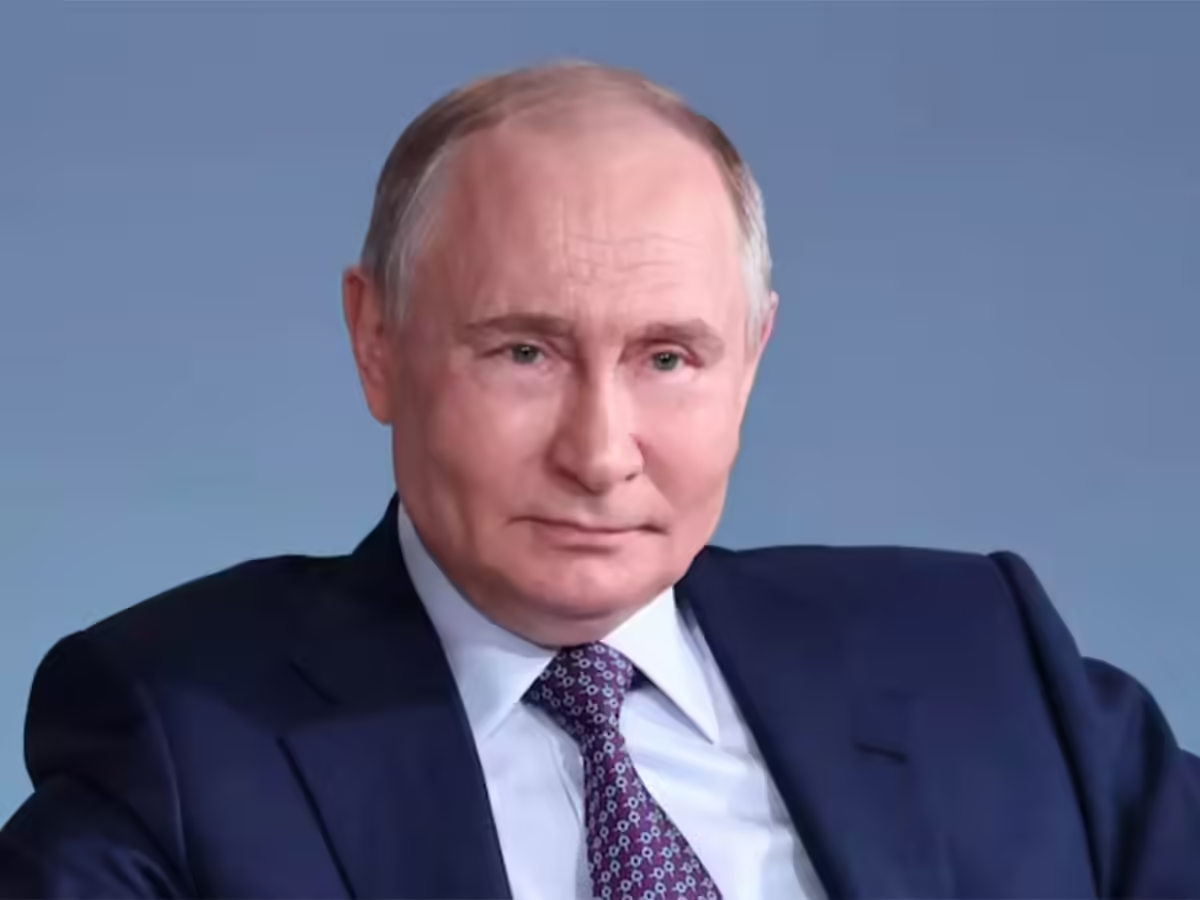
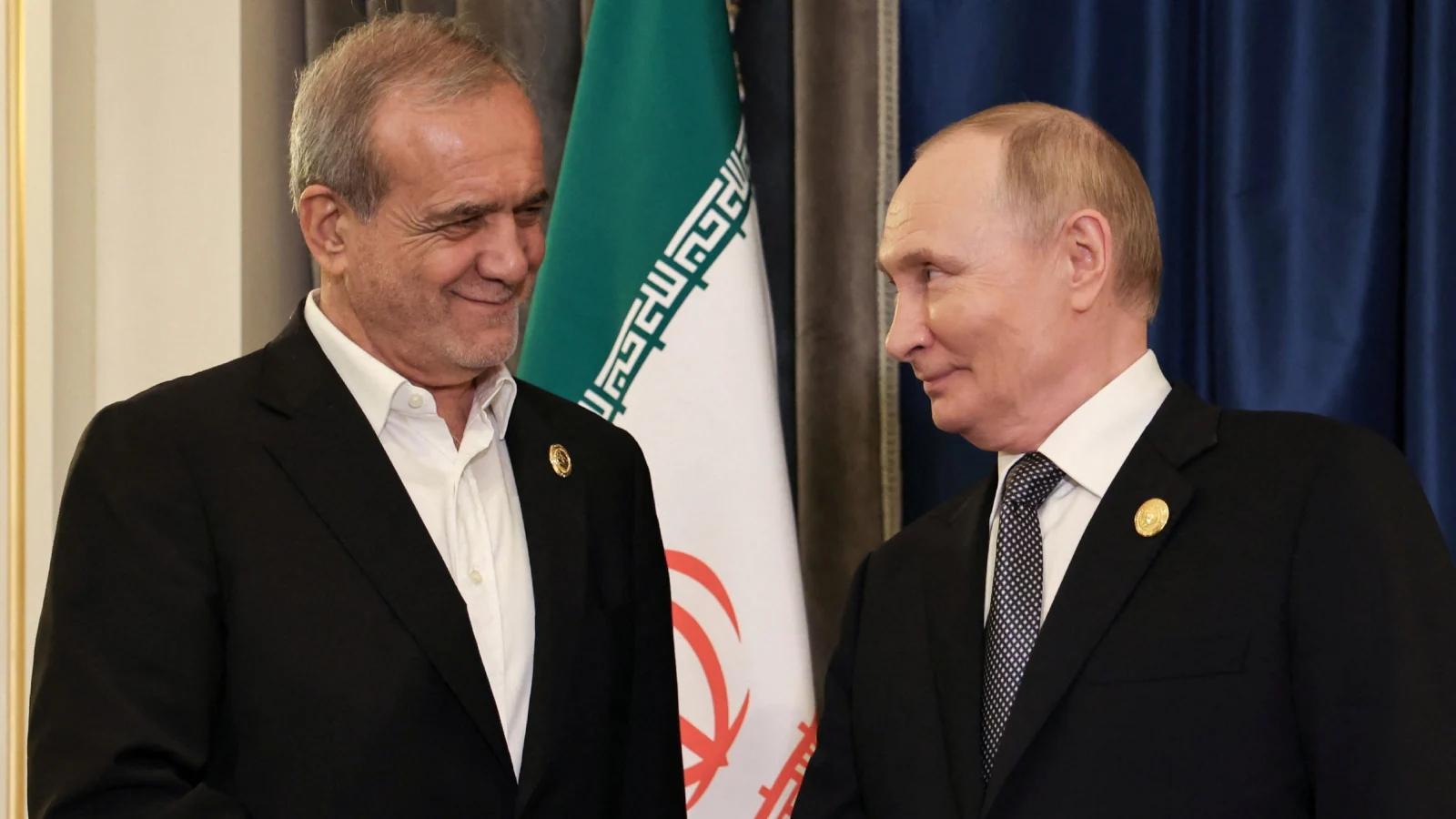
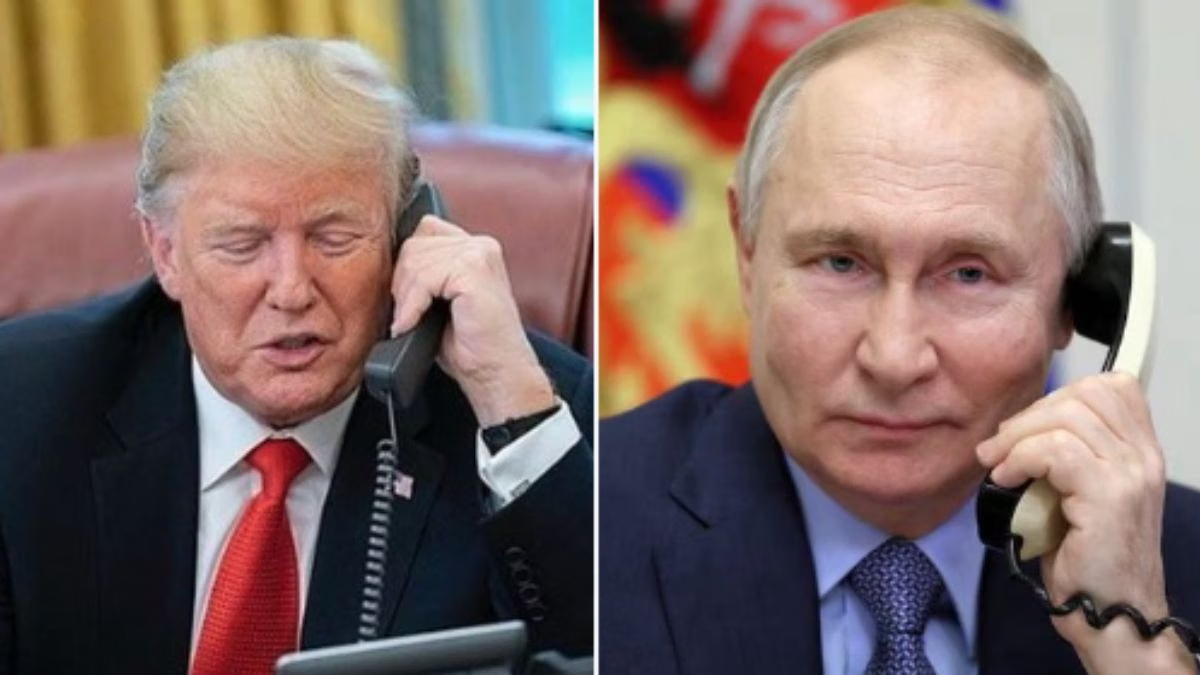
It is in this context that Putin’s outreach to Pezeshkian takes on added significance. According to official statements, the Russian leader expressed readiness to mediate between the United States and Iran, offering Moscow’s services as a neutral facilitator capable of bridging the divide.
Putin emphasized the importance of dialogue and reiterated Russia’s longstanding position that disputes surrounding Iran’s nuclear ambitions and regional role should be resolved through diplomatic means rather than confrontation. His message underscored a broader appeal for restraint and renewed engagement, even as tensions continue to simmer.
The Kremlin’s offer is not entirely unexpected. Russia has historically maintained working relationships with both Tehran and Washington, albeit under increasingly strained circumstances in recent years. By stepping forward now, Moscow appears keen to reassert its relevance on the global diplomatic stage, particularly in a region where its influence has been both strategic and enduring.
Iran’s Position
For Iran, the collapse of talks represents both a setback and a familiar scenario. Tehran has consistently maintained that its nuclear program is peaceful, while also demanding the lifting of sanctions that have severely impacted its economy. Iranian officials have often accused the United States of failing to honor previous commitments, particularly those linked to earlier nuclear agreements.
President Pezeshkian’s engagement with Putin suggests that Iran is open to alternative diplomatic channels, especially those that might offer a more balanced or less adversarial framework for negotiations. Russia’s involvement could provide Tehran with a platform that is perceived as less influenced by Western priorities.
At the same time, Iran remains cautious. Any mediation effort would need to address core issues, including sanctions relief, nuclear transparency, and regional security concerns—areas where past negotiations have repeatedly faltered.
The US Angle
From the perspective of the United States, the breakdown in Islamabad is another indication of the challenges inherent in dealing with Iran. Washington has long sought to curb Tehran’s nuclear ambitions while also addressing concerns about its regional activities.
However, the path to achieving these objectives has been anything but straightforward. Domestic political considerations, shifting international alliances, and mutual distrust have all complicated efforts to reach a sustainable agreement.
Russia’s offer to mediate introduces a new variable into this already complex equation. While the United States has historically been wary of Russian involvement in sensitive diplomatic processes, particularly given broader geopolitical tensions, the urgency of the situation may necessitate a more pragmatic approach.
A Region on Edge
The implications of the failed talks extend far beyond the immediate parties involved. West Asia remains a region marked by overlapping conflicts, fragile alliances, and persistent instability. Any escalation between the United States and Iran has the potential to trigger wider repercussions, affecting everything from energy markets to regional security dynamics.
In this environment, the role of external powers becomes increasingly important. Russia’s willingness to step in reflects not only its strategic interests but also the broader reality that multilateral engagement may be the only viable path forward.
Moscow’s Strategic Calculus
For Russia, mediation offers multiple advantages. It allows Moscow to project itself as a responsible global actor committed to peace and stability, even as it navigates its own complex relationships with the West. It also provides an opportunity to strengthen ties with Iran, a key partner in various regional and international contexts.
Moreover, by positioning itself as an intermediary, Russia can potentially influence the outcome of any future agreement, ensuring that its interests are taken into account.
This approach aligns with Moscow’s broader foreign policy strategy, which emphasizes multipolarity and seeks to challenge the dominance of Western-led diplomatic frameworks.
The Road Ahead
Whether Putin’s offer will translate into a concrete mediation process remains uncertain. Much will depend on the willingness of both the United States and Iran to engage with Russia in this capacity, as well as the specific terms and conditions under which such mediation would occur.
What is clear, however, is that the collapse of the Islamabad talks has created a vacuum—one that Russia is eager to fill.
The coming weeks are likely to be critical. Diplomatic efforts may intensify behind the scenes, with various actors exploring alternative avenues to revive dialogue. The stakes are high, not just for the immediate parties, but for the broader international community.
A Familiar Yet Unresolved Conflict
The cycle of negotiation, breakdown, and renewed effort is not new in the context of US-Iran relations. For decades, both sides have oscillated between confrontation and cautious engagement, often with limited success.
Putin’s intervention represents the latest chapter in this long and complex story. Whether it will lead to a meaningful breakthrough or simply become another footnote in the history of failed diplomacy remains to be seen.
What cannot be ignored, however, is the urgency of the moment. With tensions high and choices limited, the need for effective mediation has never been greater.
As the world watches, the question is not just whether Russia can mediate—but whether all parties are finally ready to listen.
With inputs from agencies
Image Source: Multiple agencies
© Copyright 2025. All Rights Reserved. Powered by Vygr Media.