 By
By 
The escalating conflict between Iran, the United States, and Israel has entered a critical phase as Tehran formally laid out three conditions it says must be met to end the war. Iranian President Masoud Pezeshkian announced that peace is possible, but only if certain political, legal, and security guarantees are addressed.
His statement signals that Iran is open to ending hostilities, yet it insists that the resolution must acknowledge what it calls the country’s legitimate rights and compensate for the devastation caused by the conflict. The proposal comes amid intense military operations across the Middle East and rising fears of a wider regional war.
Background: How the War Escalated
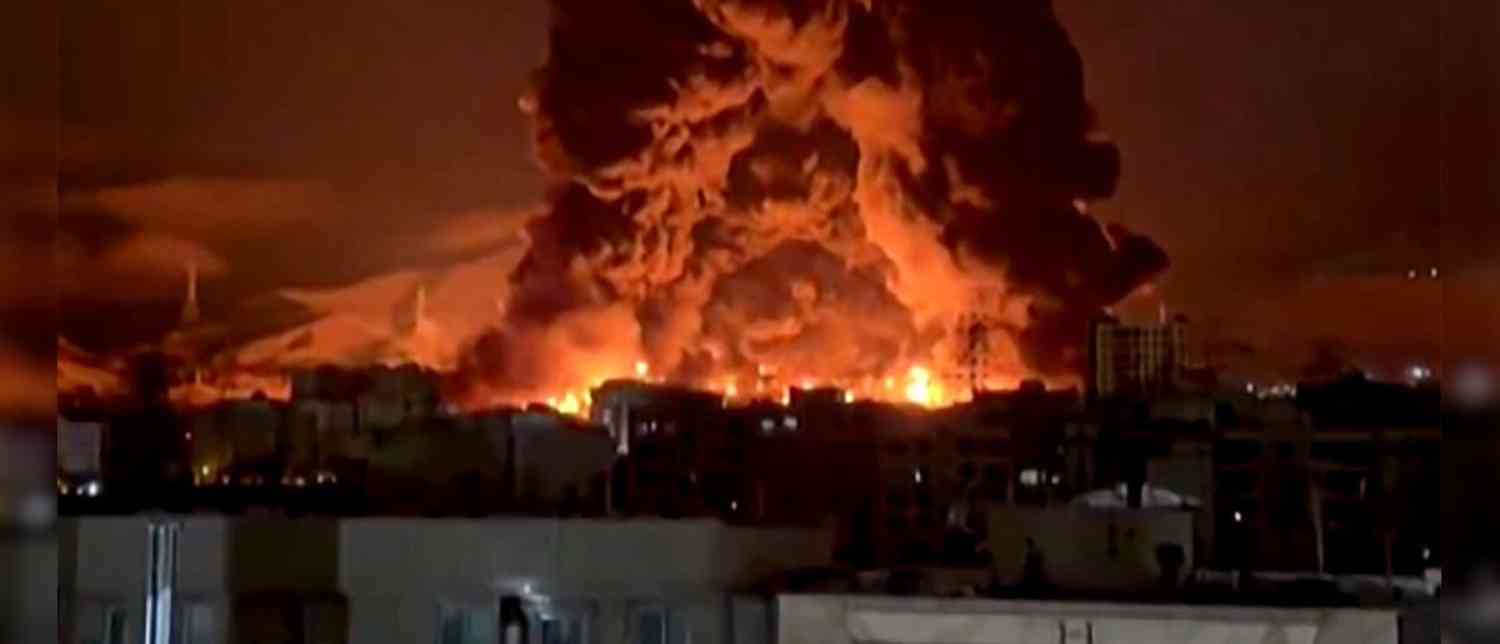
The current conflict intensified on February 28, 2026, when the United States and Israel launched coordinated strikes on Iran. The attacks targeted multiple sites across Tehran and other Iranian cities, including military infrastructure and strategic facilities.
According to Iranian authorities, the strikes killed more than 1,200 people and injured over 10,000, among them military commanders, civilians, and the country’s Supreme Leader Ali Khamenei.
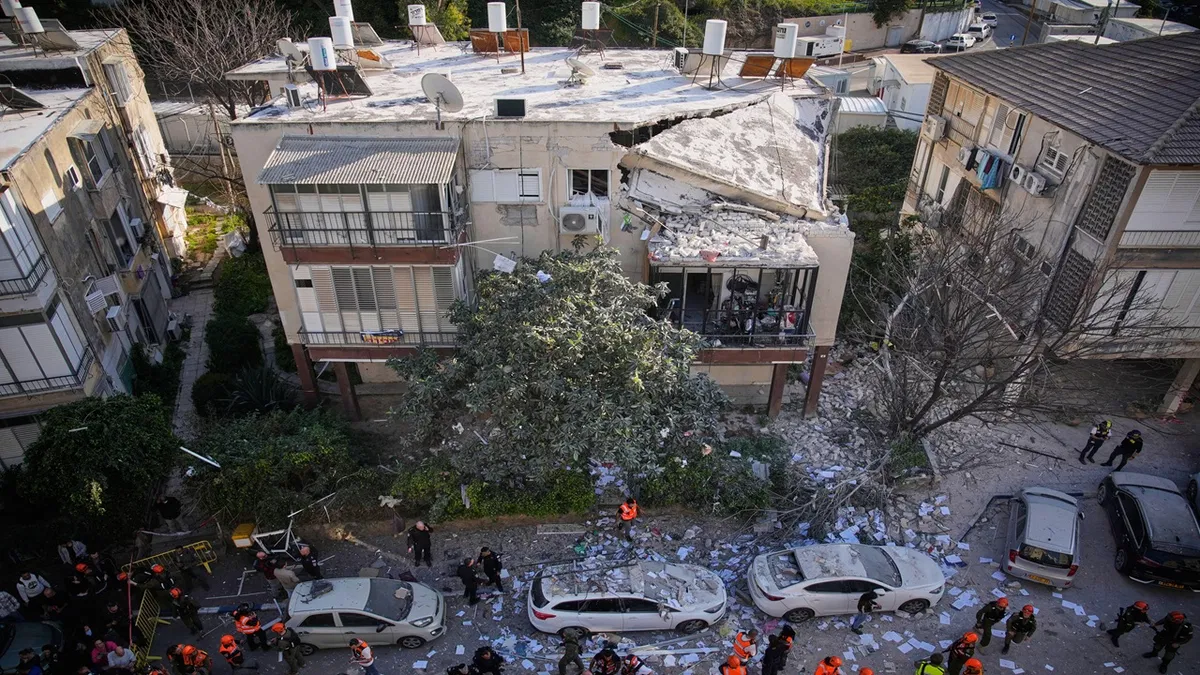
Tehran retaliated by launching missile and drone strikes against Israeli and U.S.-linked targets across the Middle East. Some of the attacks also targeted locations in Jordan, Iraq, and Gulf states hosting American military assets. The escalation has heightened tensions across the region and disrupted global energy markets, particularly around the Strait of Hormuz.
Amid the ongoing conflict, Iran has repeatedly asserted that it does not seek an endless war but insists it will not surrender or accept conditions imposed through military pressure.
Iran’s Three Conditions for Ending the War
President Pezeshkian outlined three key demands that he says must be fulfilled before Tehran will consider ending the conflict.
1. Recognition of Iran’s “Legitimate Rights”
The first condition calls for formal recognition of Iran’s “legitimate rights.” While Tehran has not fully detailed every aspect of these rights in the latest statement, Iranian officials have historically used the term to refer to issues such as national sovereignty, security guarantees, and the right to pursue peaceful nuclear technology.
Pezeshkian emphasised that Iran’s position is rooted in international law and national sovereignty. He argued that acknowledging these rights would form the basis of a fair and sustainable resolution to the conflict.
In his remarks, the Iranian president reiterated that Iran is committed to peace in the region but insists that its rights must be respected if hostilities are to end.
2. Compensation for War Damage
Iran’s second demand is financial reparations for the damage caused by the war. Tehran argues that the United States and Israel must compensate the country for destruction resulting from military strikes.
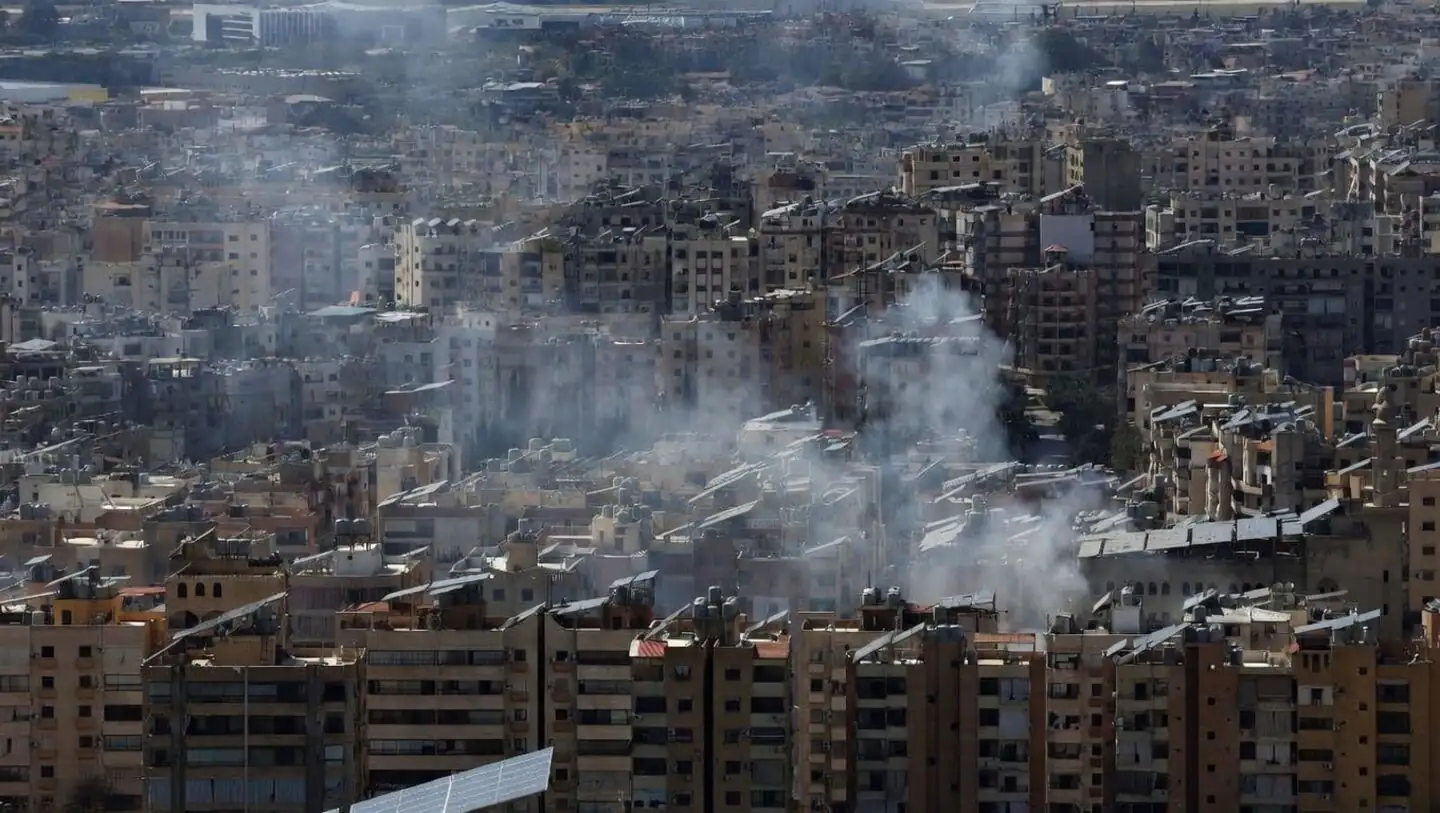
The war has reportedly caused widespread damage to infrastructure and urban areas in several Iranian cities. Iranian officials say the financial cost of rebuilding could be enormous and insist that the countries responsible for the attacks should bear the burden of reconstruction.
The demand for reparations also reflects Iran’s attempt to frame the conflict as an act of aggression against its territory. By calling for compensation, Tehran is seeking both financial relief and international recognition of responsibility for the destruction.
3. Strong International Guarantees Against Future Attacks
The third condition focuses on preventing a repeat of the current conflict. Iran says any peace arrangement must include firm international guarantees that no further attacks will occur.
According to Pezeshkian, the war could only end if the international community ensures that the United States and Israel cannot launch similar operations against Iran in the future.
Tehran believes that previous agreements and ceasefires in the region have often collapsed due to the absence of enforceable guarantees. As a result, Iran is pushing for mechanisms that would provide binding assurances against renewed military action.
Diplomatic Outreach to Regional Leaders
Alongside announcing these conditions, Pezeshkian revealed that he has spoken with the leaders of Russia and Pakistan. During those discussions, he reiterated Iran’s commitment to regional stability and peace.
The diplomatic outreach appears to be part of Tehran’s broader effort to build international support for its stance and strengthen ties with key regional partners.
Iranian officials argue that their country is willing to negotiate but will only do so on terms that respect its sovereignty and security. The conversations with Russia and Pakistan also suggest that Iran is attempting to rally diplomatic backing from influential regional players.
Iran’s Message: Peace Is Possible, but Not Unconditional
Despite outlining a path to peace, Iranian leaders have been clear that they will not accept unconditional surrender.
President Pezeshkian has stressed that Iran will negotiate with dignity rather than under coercion. In recent remarks, he also apologized to neighboring countries that were affected by Iranian attacks during the conflict, saying Tehran would avoid striking them unless they first attack Iran.
The statement appears aimed at easing tensions with neighboring states while maintaining a firm stance against the United States and Israel.
Military Warnings and Escalation Risks
Even as Iran discussed conditions for peace, its military leadership warned of strong retaliation if the conflict expands further.
A spokesperson for Iran’s armed forces stated that no port, economic center, or location in the Persian Gulf would be beyond Iran’s reach if U.S. forces attacked Iranian port facilities.
The warning came after U.S. military communications urged civilians in Iran to avoid port areas where naval operations were taking place. The exchange highlights the high level of tension and the possibility of further escalation.
Iran’s leadership has made it clear that while it is willing to discuss ending the war, it will continue retaliatory actions if new attacks occur.
Regional and Global Implications
The conflict between Iran, the United States, and Israel is already reshaping the geopolitical landscape of the Middle East.
Iran’s missile and drone strikes across the region have targeted not only Israeli territory but also U.S. bases and locations linked to American military operations. The attacks have heightened concerns about the potential for a broader regional war.
At the same time, disruptions around key maritime routes have raised fears about global energy supply. The Strait of Hormuz—one of the world’s most critical shipping lanes for oil and gas—has become a focal point of tension as the conflict continues.
Countries across the region are closely monitoring developments, as the war has the potential to trigger political, economic, and security repercussions far beyond the immediate battlefield.
A Difficult Path to Peace
While Iran’s three conditions outline a theoretical path toward ending the war, achieving them may prove extremely challenging.
The demand for reparations and binding guarantees is likely to face resistance from the United States and Israel. Additionally, differing interpretations of Iran’s “legitimate rights” could complicate negotiations.
Still, Tehran’s statement represents one of the clearest indications that Iran is willing to discuss ending the conflict—provided its demands are addressed.
For now, the war continues, and diplomatic efforts appear uncertain. But the announcement of these conditions suggests that despite the violence and political tension, the door to negotiations has not been completely closed.
With inputs from agencies
Image Source: Multiple agencies
© Copyright 2025. All Rights Reserved. Powered by Vygr Media.