 By
By 
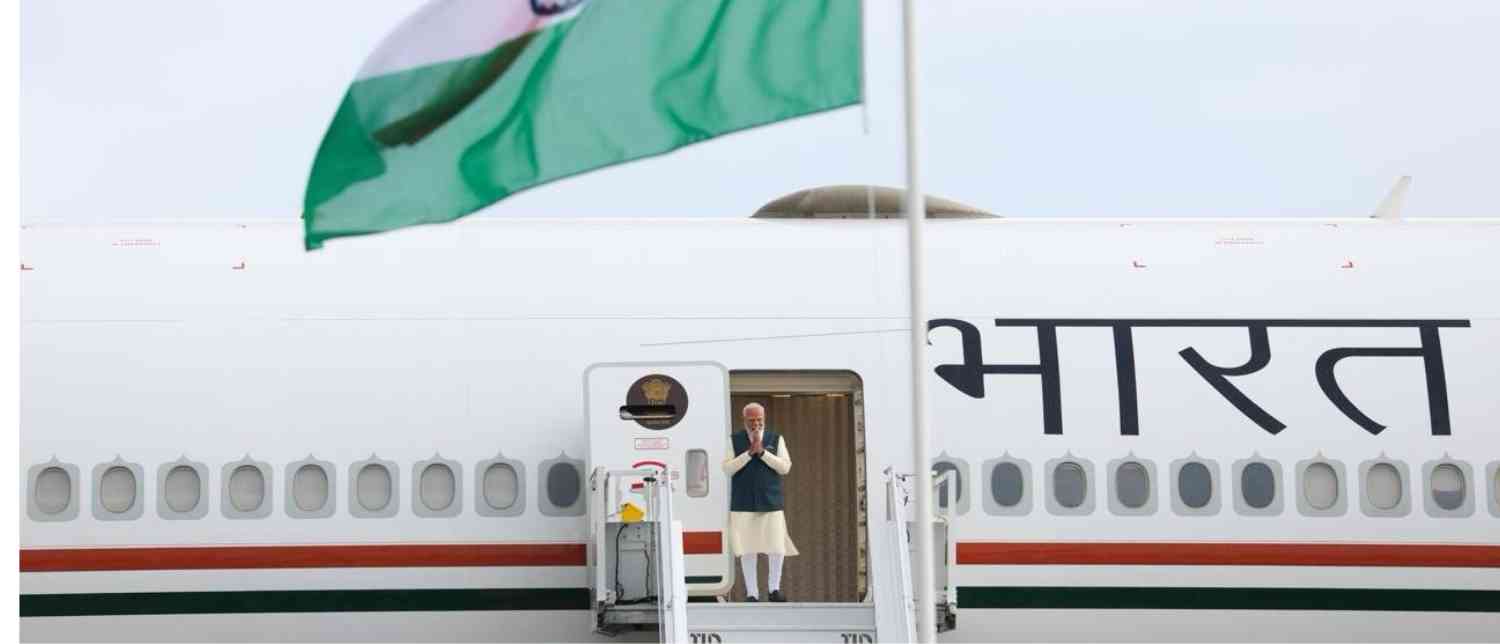
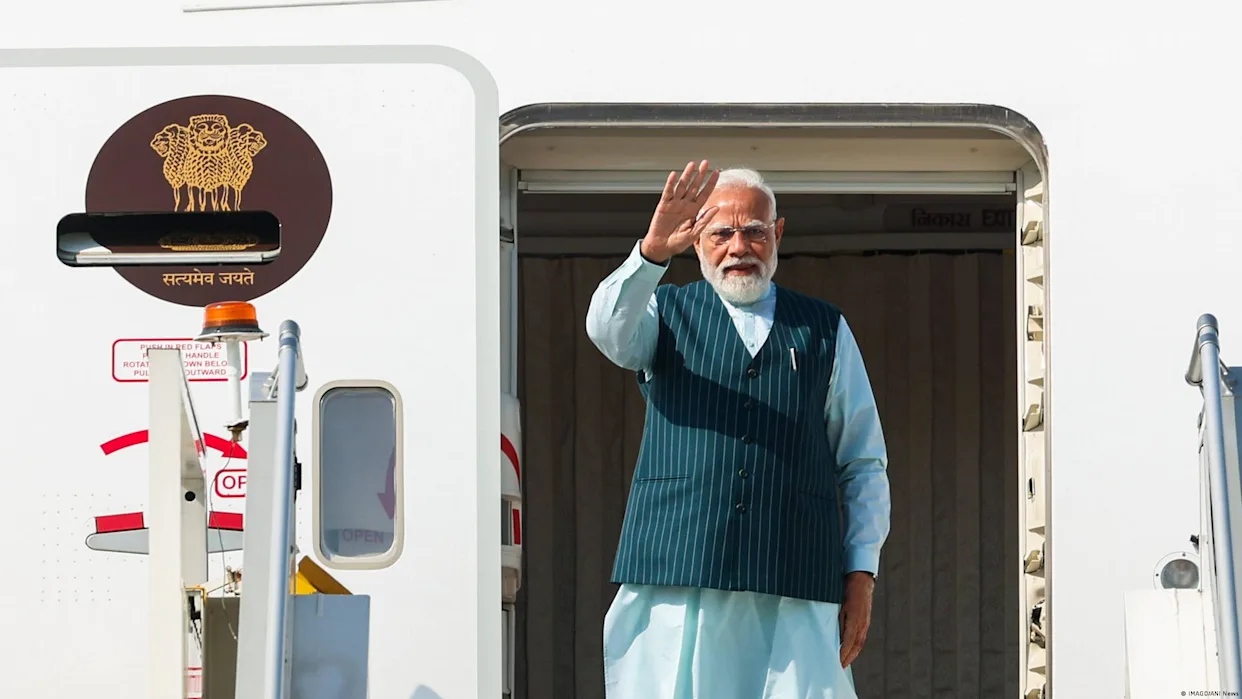
Prime Minister Narendra Modi has embarked on a major diplomatic tour across Europe at a time when India is recalibrating its global partnerships amid economic uncertainty, geopolitical tensions, energy insecurity and shifting strategic alignments in the West. The multi-country visit — covering the Netherlands, Sweden, Norway and Italy — comes against the backdrop of India’s recently finalised Free Trade Agreement (FTA) with the European Union and the implementation of the India–EFTA Trade and Economic Partnership Agreement (TEPA), which entered into force in 2025.
The visit is being viewed as one of India’s most consequential diplomatic engagements with Europe in recent years, reflecting New Delhi’s growing emphasis on economic diversification, clean energy partnerships, defence manufacturing, advanced technology cooperation and supply-chain resilience. It also underlines India’s broader attempt to deepen ties with Europe as global powers increasingly seek alternatives to overdependence on China and navigate uncertainty in transatlantic relations.
According to the Ministry of External Affairs (MEA), the tour is aimed at strengthening cooperation in areas ranging from trade and investment to semiconductors, maritime security, renewable energy, artificial intelligence, defence and innovation. The third India-Nordic Summit, scheduled during the visit, is expected to become a key pillar in India’s engagement with Northern Europe.
Europe Gains Strategic Importance for India
India’s outreach to Europe has intensified over the past few years as geopolitical realities reshape international alliances. The Russia-Ukraine conflict, tensions in the Indo-Pacific, disruptions in global supply chains and concerns over energy security have pushed both India and European nations toward stronger strategic cooperation.
The Nordic countries — Sweden, Norway, Denmark, Finland and Iceland — have emerged as particularly significant partners for India due to their technological strengths, innovation ecosystems and alignment on climate and security issues. Over 700 Nordic companies currently operate in India, while around 150 Indian companies have established a presence across the Nordic region.
Each Nordic nation brings unique capabilities to the table. Sweden is seen as a leader in industrial innovation and defence technology; Norway has expertise in maritime industries, clean energy and Arctic affairs; Denmark is known for green technology and maritime solutions; Finland offers strengths in digital technologies; while Iceland contributes geothermal energy expertise.
India also sees the Nordic region as strategically important because all five Nordic countries are members of the Arctic Council. During the summit, discussions are expected to focus on establishing a dedicated India-Nordic Arctic cooperation mechanism. The countries also share common positions on Indo-Pacific security, climate action, rules-based global order and reforms in global governance structures, including support for India’s bid for permanent membership in a reformed UN Security Council.
Netherlands Visit Focuses on Technology and Water Management
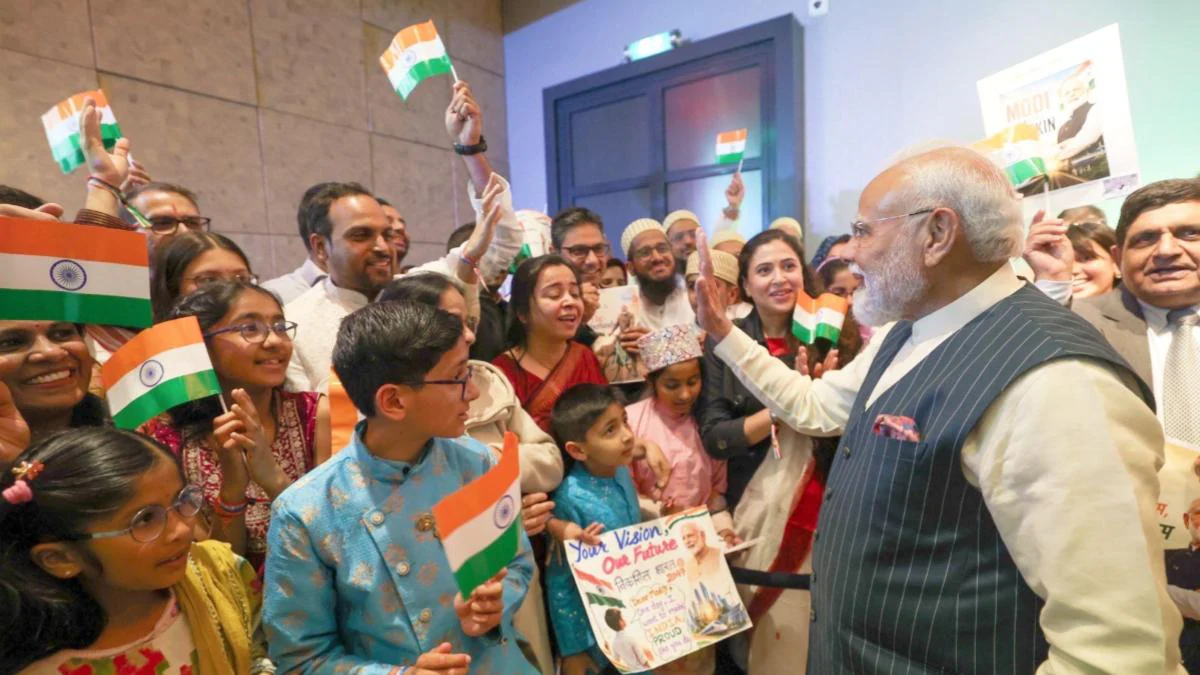
Prime Minister Modi began the European leg of his visit in the Netherlands, marking his second visit to the country after his 2017 trip. During the visit, he is expected to hold bilateral talks with Dutch leadership, including meetings with King Willem-Alexander and Queen Máxima, alongside interactions with business leaders and the Indian diaspora.
India and the Netherlands have significantly expanded cooperation beyond traditional sectors such as trade, agriculture and healthcare into strategic areas including semiconductors, renewable energy, defence, maritime security and advanced technologies.
One of the key highlights of the visit is expected to be semiconductor collaboration with Dutch technology giant ASML, a global leader in advanced chipmaking equipment. India is keen to strengthen its domestic semiconductor ecosystem and sees European technological partnerships as critical to reducing dependence on external supply chains.
Clean energy and climate resilience are also central themes. Modi, along with Dutch leadership, is expected to visit the Afsluitdijk Dam as part of cooperation on water management, sustainable fisheries and clean energy initiatives. The engagement reflects India’s attempt to diversify energy partnerships and reduce fossil fuel dependence amid global energy volatility.
Sweden Emerges as Key Innovation and Defence Partner
Modi’s visit to Sweden marks his first trip to the Scandinavian nation in eight years and is expected to focus heavily on technology, defence production and critical minerals. Sweden invests more than 3% of its GDP in research and development and consistently ranks among Europe’s top innovation economies.
The country has also taken a firm stance on reducing strategic dependence on China, making India an increasingly important diversification partner in Asia. Bilateral trade between India and Sweden in goods and services reached nearly USD 7.75 billion in 2025, with over 280 Swedish companies currently operating in India.
Defence cooperation has become one of the most significant pillars of the bilateral relationship. Swedish defence company Saab is establishing its first Carl-Gustaf manufacturing facility outside Sweden in Jhajjar, Haryana. The project is being described as India’s first 100% foreign direct investment-driven defence manufacturing initiative.
Critical minerals are also expected to dominate discussions. Sweden hosts some of Europe’s largest deposits of rare earth and critical minerals, which are crucial for electric vehicles, semiconductors and defence electronics. India is looking to secure resilient supply chains in these sectors as global competition intensifies.
Technology collaboration will span emerging areas such as 6G, artificial intelligence, quantum computing, life sciences and healthcare. Sweden has shown strong interest in supporting India’s Digital India ambitions, with more than 80 Swedish companies participating in the AI Impact Summit 2026.
Norway Visit Carries Historic and Economic Significance
The Norway leg of the tour is particularly notable because it marks the first standalone bilateral visit by an Indian Prime Minister to the country in 43 years.
Energy cooperation is expected to dominate the agenda, especially discussions surrounding long-term liquefied petroleum gas (LPG) supply arrangements. India’s push for energy security has become increasingly urgent amid rising global oil prices and geopolitical instability in West Asia.
Defence and maritime cooperation are also emerging as important areas of engagement. Indian shipyards currently account for nearly 11% of the Norwegian Shipowners’ Association order book, reflecting expanding industrial collaboration. Norwegian tunnelling technology has additionally contributed to India’s Char Dham railway infrastructure project.
Norway’s Government Pension Fund Global (GPFG), the world’s largest sovereign wealth fund with assets approaching USD 2 trillion, has invested close to USD 30 billion in Indian capital markets. Meanwhile, Norfund continues to play an active role in India’s renewable energy sector. Bilateral merchandise trade stood at approximately USD 1 billion in 2024-25, while India’s services exports to Norway touched USD 876 million.
Discussions are also expected to cover maritime cooperation, clean energy, Arctic governance and space collaboration.
Italy Visit Reinforces Expanding Strategic Partnership
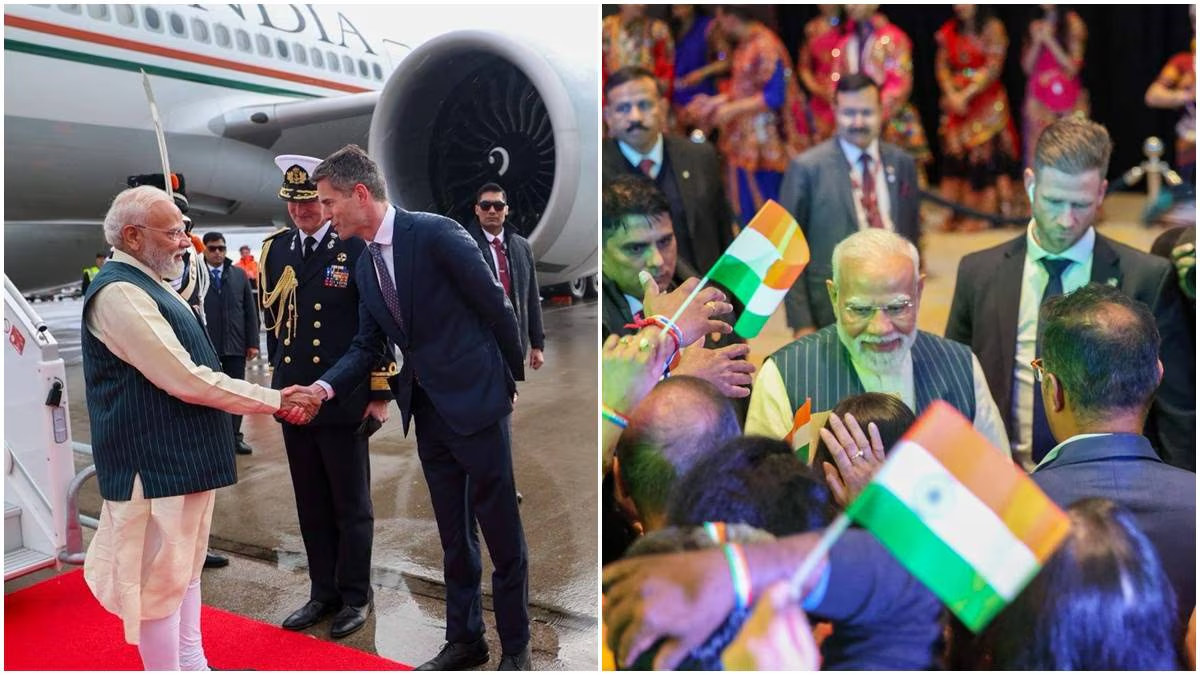
The final leg of Modi’s Europe outreach will take him to Italy at the invitation of Italian Prime Minister Giorgia Meloni. The visit is expected to reinforce the rapidly growing strategic partnership between the two countries.
Italy has emerged as a key European partner for India in connectivity, green energy and industrial cooperation. Meloni’s first state visit after assuming office was to India in March 2023, during which she attended the Raisina Dialogue and later participated in the G20 Summit in New Delhi. Italy also joined the India-Middle East-Europe Economic Corridor (IMEEC) and the Global Biofuels Alliance during the G20 process.
The IMEEC initiative remains strategically important for India as it seeks to create new trade corridors connecting Asia, the Middle East and Europe. Amid growing uncertainty in global logistics and geopolitical tensions, the corridor is increasingly being seen as a long-term alternative supply-chain route.
India’s Broader Strategic Calculation
Modi’s Europe visit comes at a time when global power equations are undergoing rapid transformation. Rising tensions in West Asia, volatility in energy markets and concerns over economic slowdowns have made diversification of partnerships a priority for India.
The outreach also reflects India’s attempt to position itself as a major geopolitical and economic player capable of balancing relationships across competing blocs. Europe, in turn, increasingly sees India as a trusted democratic partner, a manufacturing alternative and a critical market for future growth.
The India-EU FTA and the India-EFTA TEPA are expected to provide the institutional framework for this next phase of cooperation. Together, they are likely to accelerate investment flows, technology transfer, defence partnerships and industrial collaboration between India and Europe in the coming years.
With inputs from agencies
Image Source: Multiple agencies
© Copyright 2026. All Rights Reserved. Powered by Vygr Media.