 By

Before the release order was issued, Saurav Das and Ashutosh Ranka approached the Delhi High Court to challenge the extension of their judicial custody. Their legal team questioned the magistrate's authority to extend the detention and argued that the reasons for continued custody had not been adequately established.
During the hearing on October 21, the High Court questioned why the petitioners had approached it without first pursuing the alternative legal remedies available to them. The bench also raised concerns about the alleged breach of their peace bonds and the potential consequences of breaking barricades during a protest.
The court observed that actions by protest leaders could encourage others to disregard restrictions, potentially creating a larger law-and-order challenge. It advised the two leaders to await the magistrate's decision and pursue the appropriate legal route if necessary.
Following the court's observations, the petitioners withdrew their plea. The High Court permitted the withdrawal without expressing an opinion on the merits of their case.
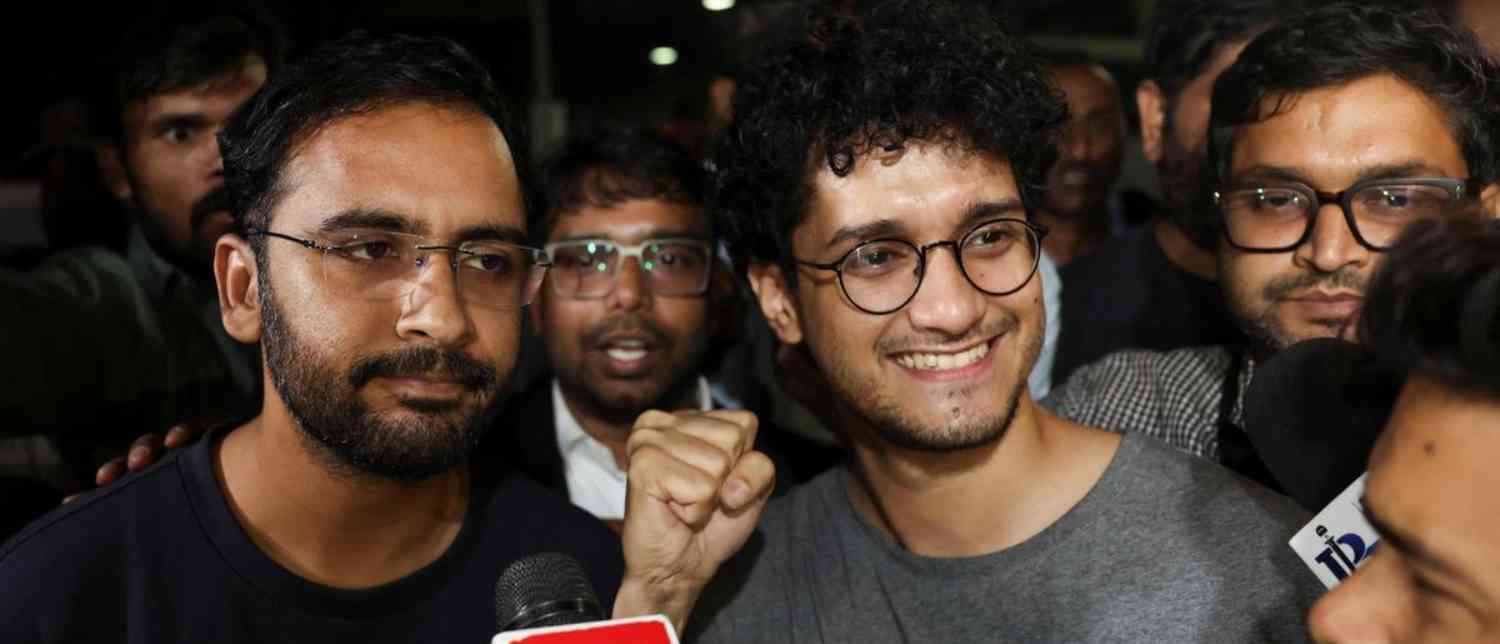
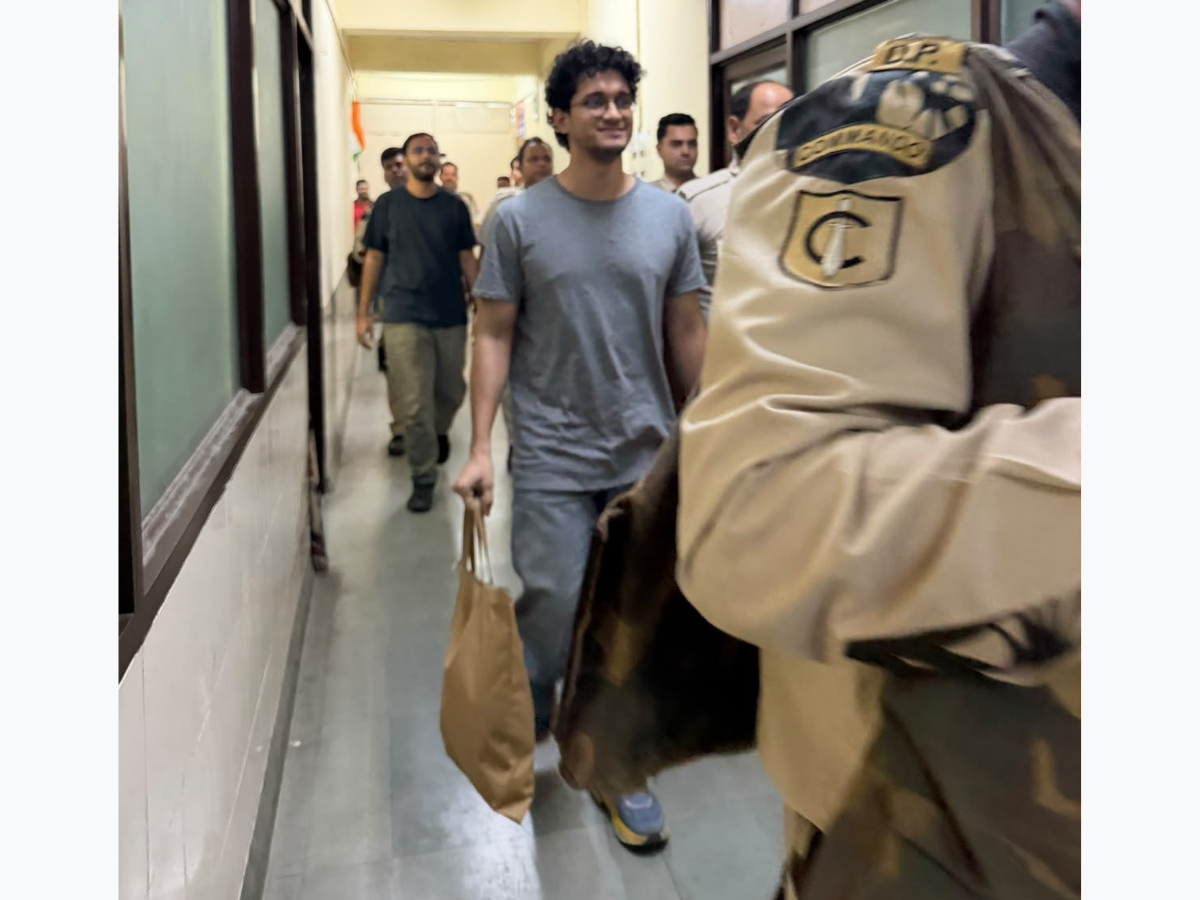
The withdrawal was followed by the Special Executive Magistrate's decision to release the leaders later that day. The sequence of events became a crucial part of the day's developments, as the custody challenge ended without a substantive High Court ruling on the legality of the detention.
Why Did the Magistrate Reject the Police Request for More Custody?
The Delhi Police had sought an additional three days of judicial custody, maintaining that concerns about a possible breach of peace remained.
The police also questioned the consistency of statements made by the two leaders before the court, in the media and in their written responses. Authorities further referred to a statement made by another CJP member while the leaders were being taken back to Tihar Jail after an earlier hearing, alleging that it undermined the authority of the magistrate's court.
The defence, meanwhile, offered an unconditional apology and assured the court that such conduct would not be repeated.
After considering the submissions, the magistrate declined to grant the requested extension. The court concluded that the leaders' written undertakings, personal bonds and sureties were sufficient to address the concerns raised about maintaining public order.
The decision did not amount to a finding that the allegations against the leaders were unfounded. Instead, it established that further judicial custody was not considered necessary in light of the assurances provided.
This distinction is important: release from custody does not automatically resolve the underlying proceedings or eliminate the obligation to comply with the conditions imposed by the court.
Conditions Imposed on Saurav Das and Ashutosh Ranka
The Special Executive Magistrate attached specific conditions to the release of the CJP leaders.
Both men submitted written undertakings promising to maintain peace, respect the judiciary and comply with the law. They also agreed not to call for protests at Jantar Mantar while the location remains denotified as a designated protest site.
The undertakings further stated that any protest undertaken by them would remain within the constitutional framework.
Each leader furnished a personal bond and surety of Rs 50,000. These arrangements are to remain in force until the inquiry concludes.
The magistrate also directed the two leaders to attend every hearing and comply with the conditions attached to their release. The investigating officer was asked to submit a verification report concerning the sureties.
The next hearing was scheduled for October 23, 2026, at 3 pm, with both leaders and their sureties required to be present.
These conditions make clear that the release is not the end of the legal process. The inquiry will continue, and the leaders will remain responsible for meeting their obligations under the order.
CJP Welcomes Release as Political Debate Continues
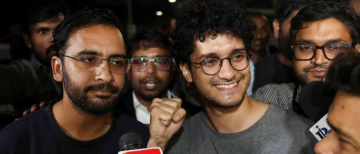
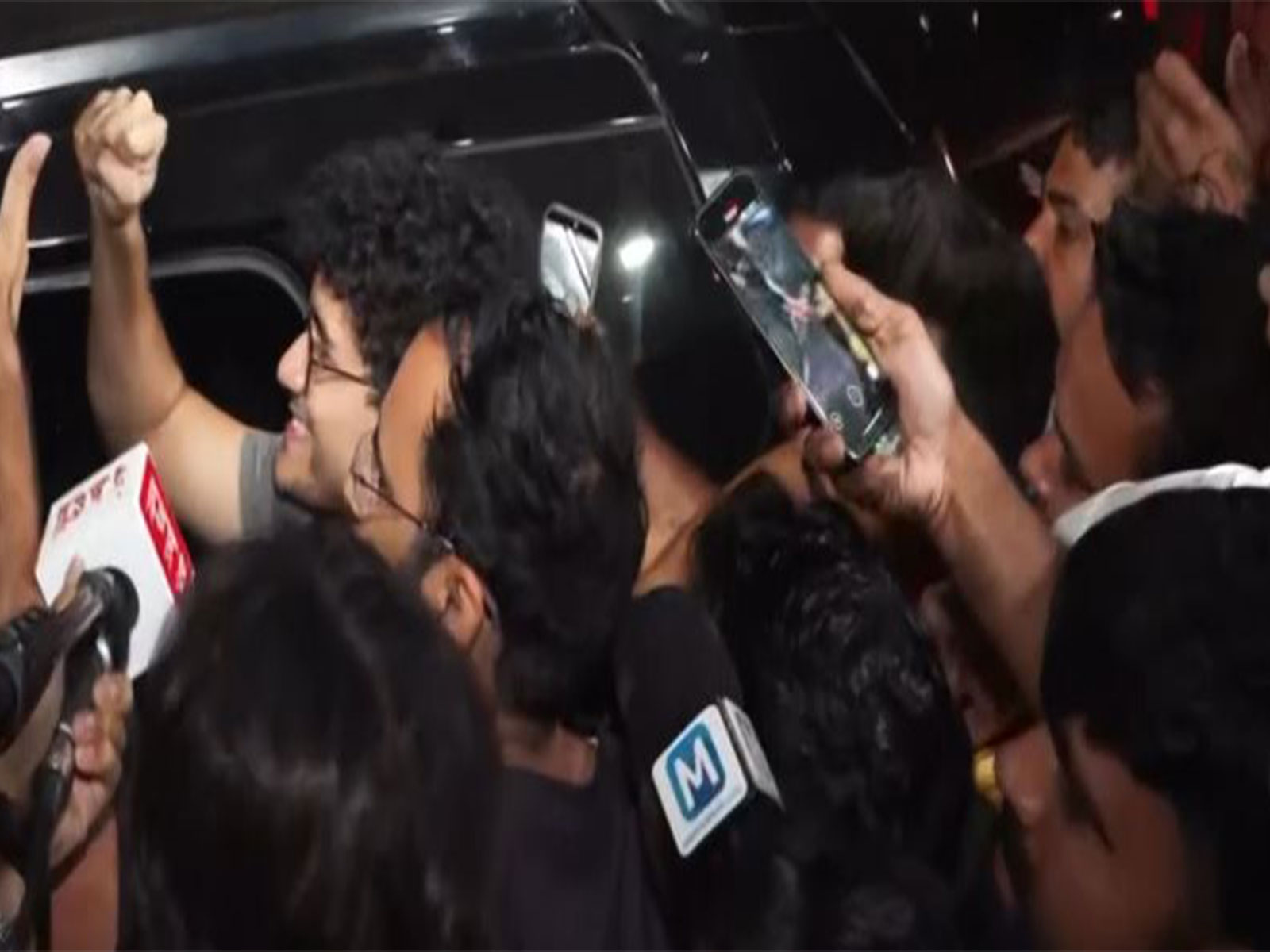
The release prompted a positive response from within the CJP, with the party's legal head, Ratna Singh, welcoming the decision. She indicated that the relief should have come earlier but expressed satisfaction that the two leaders were finally free.
The party had previously alleged that delays in the proceedings were preventing their release. Its representatives also voiced concerns about the possibility of liberty being restricted because of disputes over sureties or procedural issues.
CJP founder Abhijeet Dipke reacted emotionally to the development, sharing a reference to the climax of the film Chak De! India on social media. His post reflected the relief and solidarity expressed by supporters following the leaders' release.
Aam Aadmi Party convenor Arvind Kejriwal also welcomed the decision, expressing support for Das and Ranka.
Outside the immediate political reactions, the episode has revived broader questions about the relationship between public demonstrations, preventive legal measures and the right to protest. While citizens can raise political concerns through peaceful demonstrations, authorities can impose lawful restrictions intended to maintain public order. Disputes can arise when protesters challenge those restrictions or when the legality and proportionality of enforcement measures become contested.
The CJP case brings these competing considerations into focus without settling the broader questions surrounding protest access or electoral administration.
What Happens Next in the CJP Leaders' Case?
For Saurav Das and Ashutosh Ranka, the immediate outcome is freedom from the seven-day period of judicial custody. Their legal obligations, however, remain in place.
The next hearing will provide an opportunity for the magistrate to review the progress of the inquiry and the required verification of the sureties. The two leaders must attend the proceedings and honour the undertakings they submitted as a condition of release.
Meanwhile, the CJP's demand for Chief Election Commissioner Gyanesh Kumar's resignation remains part of the political dispute that prompted the demonstration. The party has raised allegations concerning the Special Intensive Revision of electoral rolls and the deletion of voters' names. Those claims are separate from the inquiry into the alleged breach of the leaders' peace bonds.
The controversy also leaves open the wider question of how protests can be organised when a location traditionally associated with demonstrations is no longer officially designated for that purpose. Any further action by the party will need to take account of the conditions imposed by the magistrate and the applicable legal framework.
What lies ahead
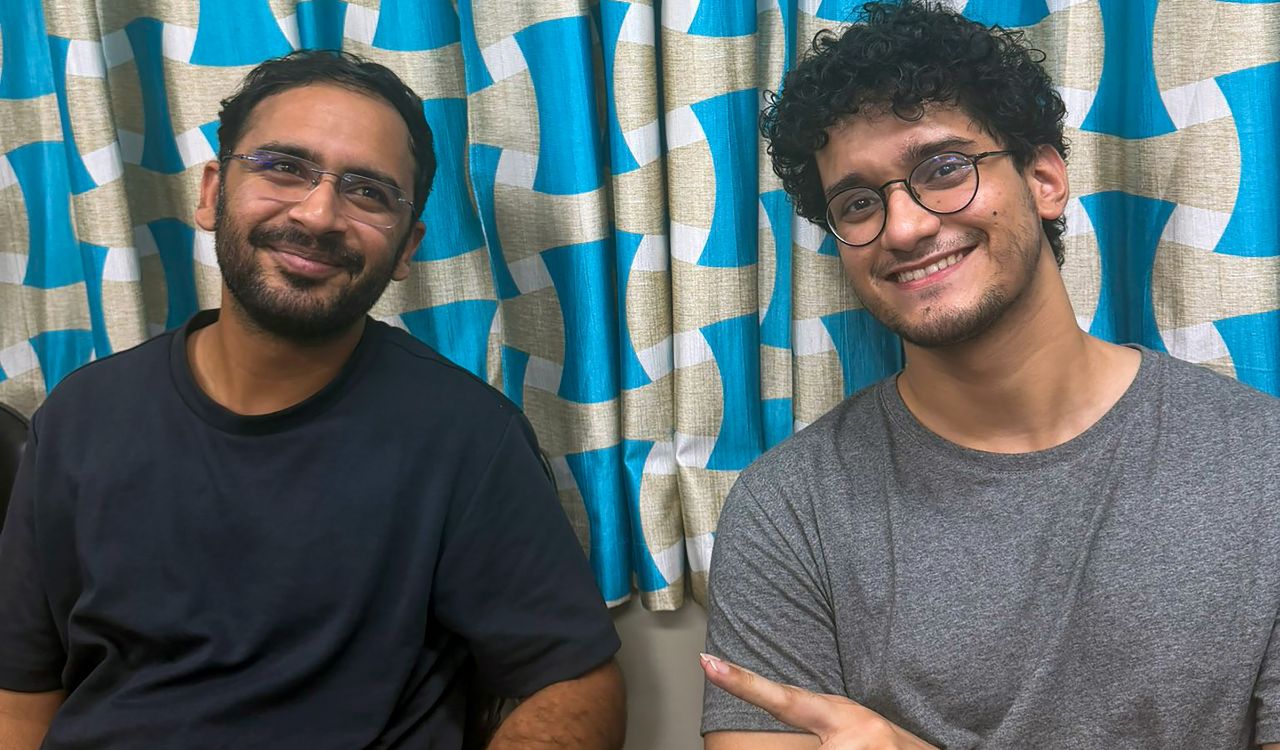
The release of CJP leaders Saurav Das and Ashutosh Ranka from Tihar Jail on October 21 brings a temporary end to their week-long detention but leaves the underlying legal dispute unresolved.
The Special Executive Magistrate's decision to reject the police request for an additional three days of custody followed the submission of peace undertakings, personal bonds and sureties of Rs 50,000 each. The leaders must now comply with the release conditions and appear for the next hearing.
Their detention arose from a protest at Jantar Mantar against restrictions on demonstrations and the CJP's demands concerning Chief Election Commissioner Gyanesh Kumar and alleged electoral roll irregularities.
As the inquiry continues, the case remains a significant development in Delhi news, highlighting the legal responsibilities of protest organisers and the continuing debate over public demonstrations, electoral accountability and civil liberties in India.
© Copyright 2026. All Rights Reserved. Powered by Vygr Media.