 By
By 
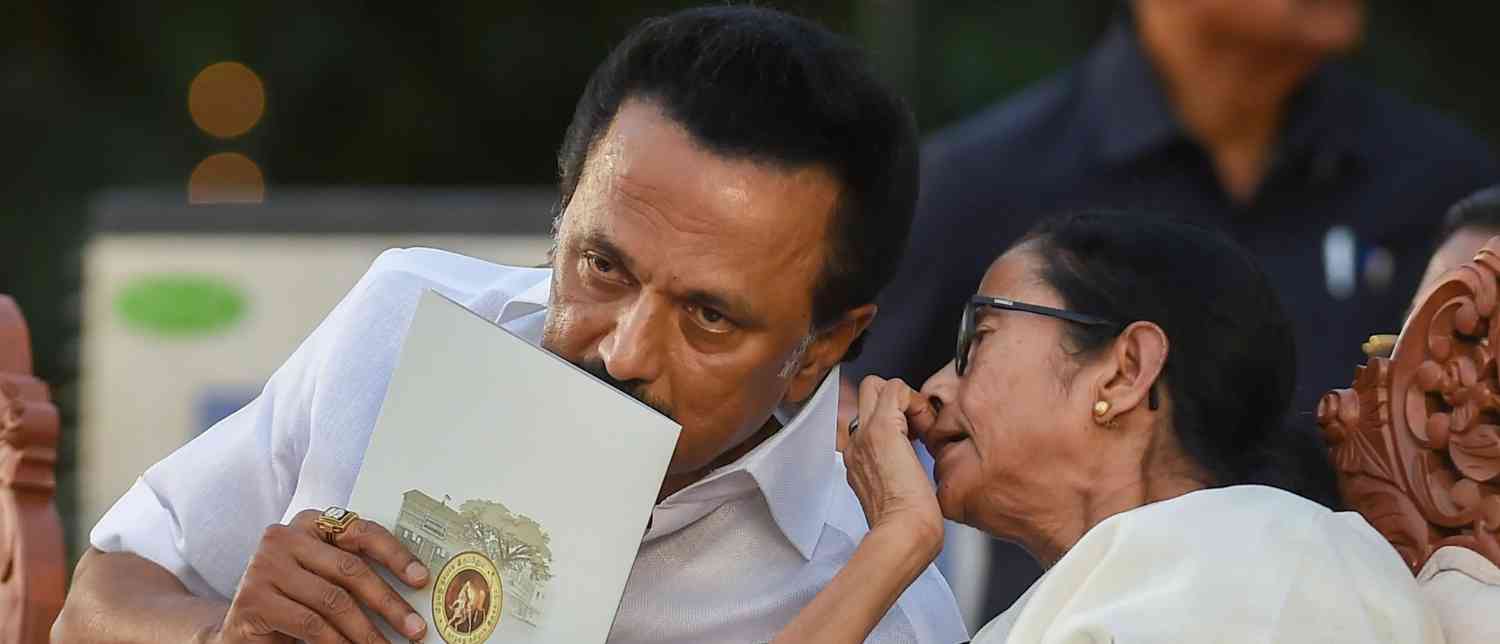
The 2026 Assembly election results have done more than just reshuffle political power—they have cracked open the illusion of invincibility that long surrounded some of India’s most dominant regional leaders. The defeats of M.K. Stalin in Tamil Nadu and Mamata Banerjee in West Bengal are not isolated electoral setbacks; they represent a deeper churn in India’s political psyche. Voters have not merely chosen alternatives—they have rejected familiarity, dynastic comfort, and entrenched political ecosystems.
What unfolded across Tamil Nadu and West Bengal is nothing short of a political earthquake.
The Fall of Strongholds
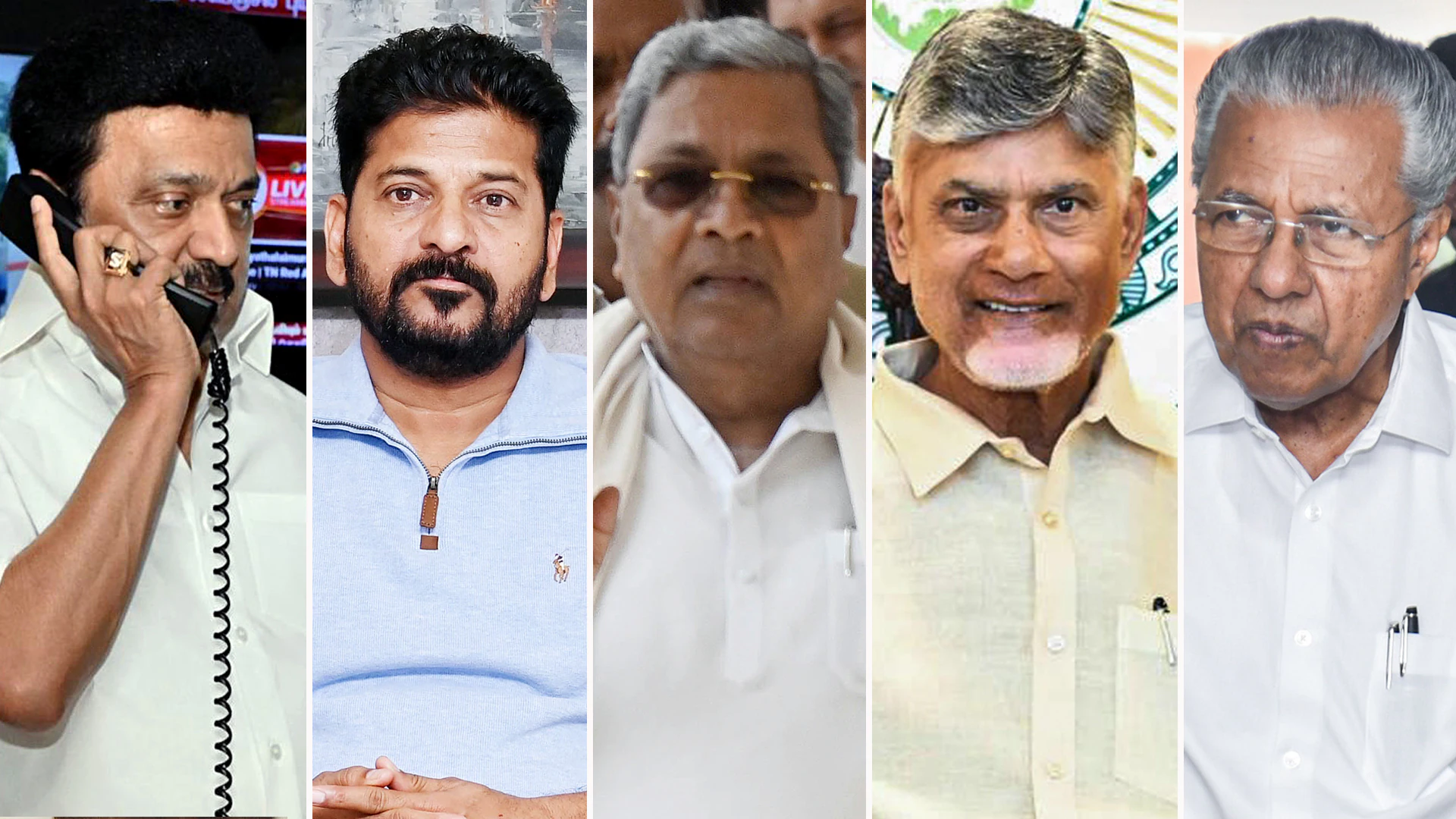
For decades, Tamil Nadu has largely been a bipolar contest dominated by the Dravida Munnetra Kazhagam and the AIADMK. Yet in 2026, the script flipped dramatically. Actor-turned-politician Vijay, leading his fledgling party Tamilaga Vettri Kazhagam, defeated Stalin in his own constituency. This was not just a symbolic upset—it was a decisive rejection of a ruling establishment many had grown weary of.
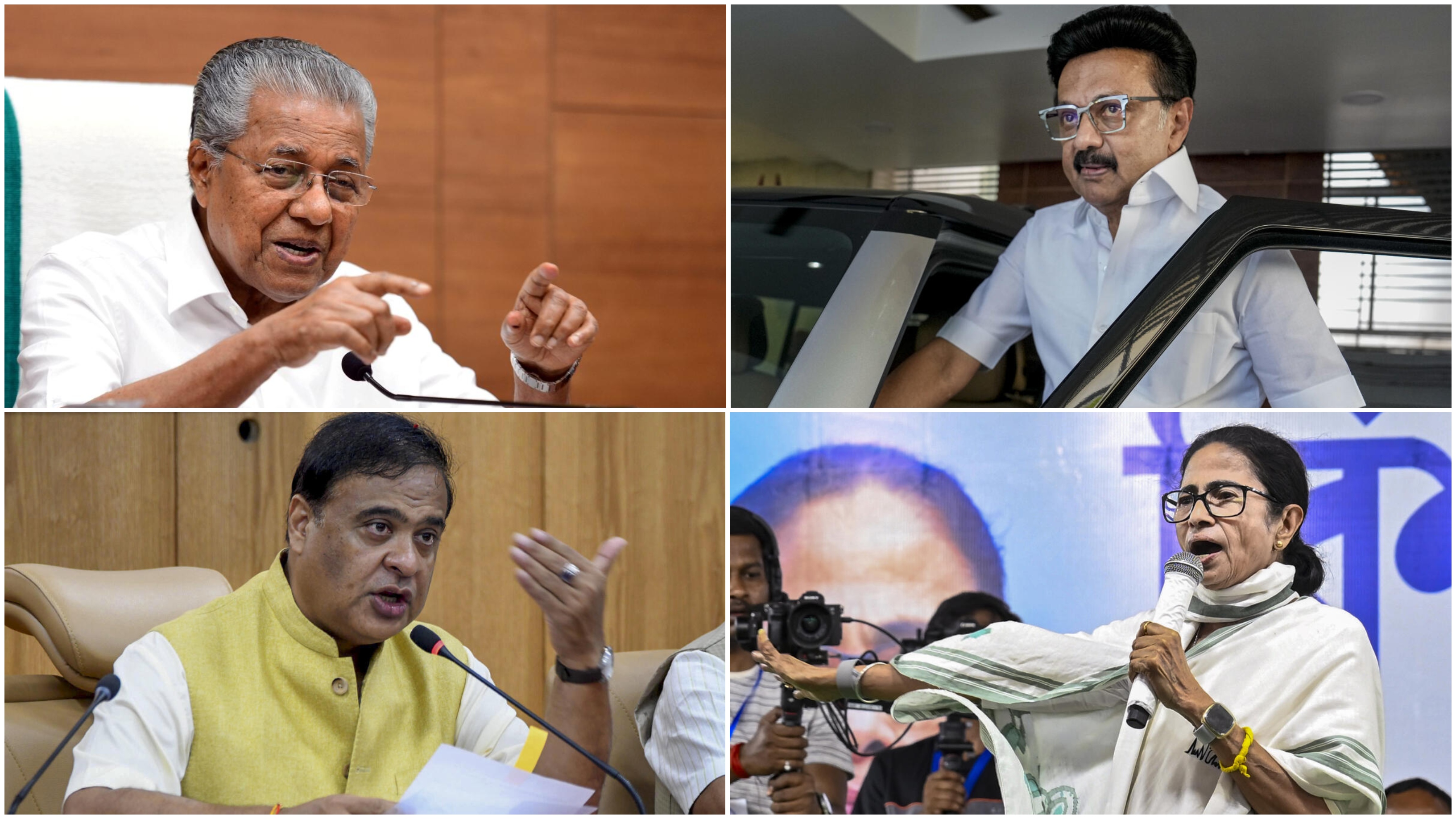
Similarly, in West Bengal, Mamata Banerjee—arguably one of India’s most formidable regional leaders—lost her own seat even as her party, the Trinamool Congress, struggled to contain the surge of the Bharatiya Janata Party. The BJP didn’t just win; it secured a landslide victory, signaling a tectonic shift in a state where it was once considered an outsider.
These twin defeats carry a shared message: political capital is no longer permanent. Not even for leaders who once seemed untouchable.
Beyond Anti-Incumbency: A Revolt Against Familiar Power
It would be easy to attribute these outcomes to standard anti-incumbency sentiment. But that explanation falls short. The rejection of Stalin, in particular, goes deeper.
The DMK’s loss has been linked to what many observers describe as “a vote against familiar power.” Over time, governance began to appear predictable, even complacent. Critics pointed to centralized decision-making, allegations of nepotism, and a perception that power remained confined within a tight-knit circle. The party’s inability to convincingly counter these narratives proved costly.
Moreover, despite welfare schemes and infrastructure initiatives, there was a growing sense that the government had become disconnected from grassroots realities. Voters seemed to demand not just governance, but renewal—something fresh, disruptive, and unencumbered by legacy politics.
Enter Vijay. His campaign capitalized on precisely this sentiment. While skeptics initially dismissed his political foray as celebrity theatrics, his messaging struck a chord—especially among younger voters. His victory over Stalin was not merely about charisma; it was about timing and public mood.
Bengal’s Shockwave: The Collapse of a Political Fortress
In West Bengal, Mamata Banerjee’s defeat is even more striking when viewed in context. She has long been synonymous with resistance politics—first against the Left Front, and later against the BJP’s expansionist ambitions. Yet, in 2026, the tide turned.
The BJP’s landslide victory in the state signals not just electoral success but ideological penetration into regions once considered politically impermeable. The party’s aggressive campaign, organizational expansion, and focus on identity politics seem to have paid off.
For Mamata, the loss of her own seat compounds the setback. It raises uncomfortable questions about her party’s internal cohesion, governance record, and ability to counter the BJP’s narrative machine. While the TMC may still retain pockets of influence, the aura of invincibility around Banerjee has undeniably been punctured.
A Double Blow to the INDIA Bloc
These defeats also have national implications, particularly for the opposition alliance often referred to as the INDIA bloc. Stalin and Mamata were not just regional leaders; they were central pillars of this coalition.
Their electoral setbacks weaken the bloc’s credibility and bargaining power ahead of future national contests. The message from voters appears clear: alliances alone cannot compensate for local dissatisfaction or leadership fatigue.
Interestingly, amid this gloom, Kerala offered a rare silver lining for the Congress. While not enough to offset the larger narrative, it suggests that political fortunes remain fluid—and that voter behavior can vary sharply across states.
The Symbolism of Losing One’s Own Seat
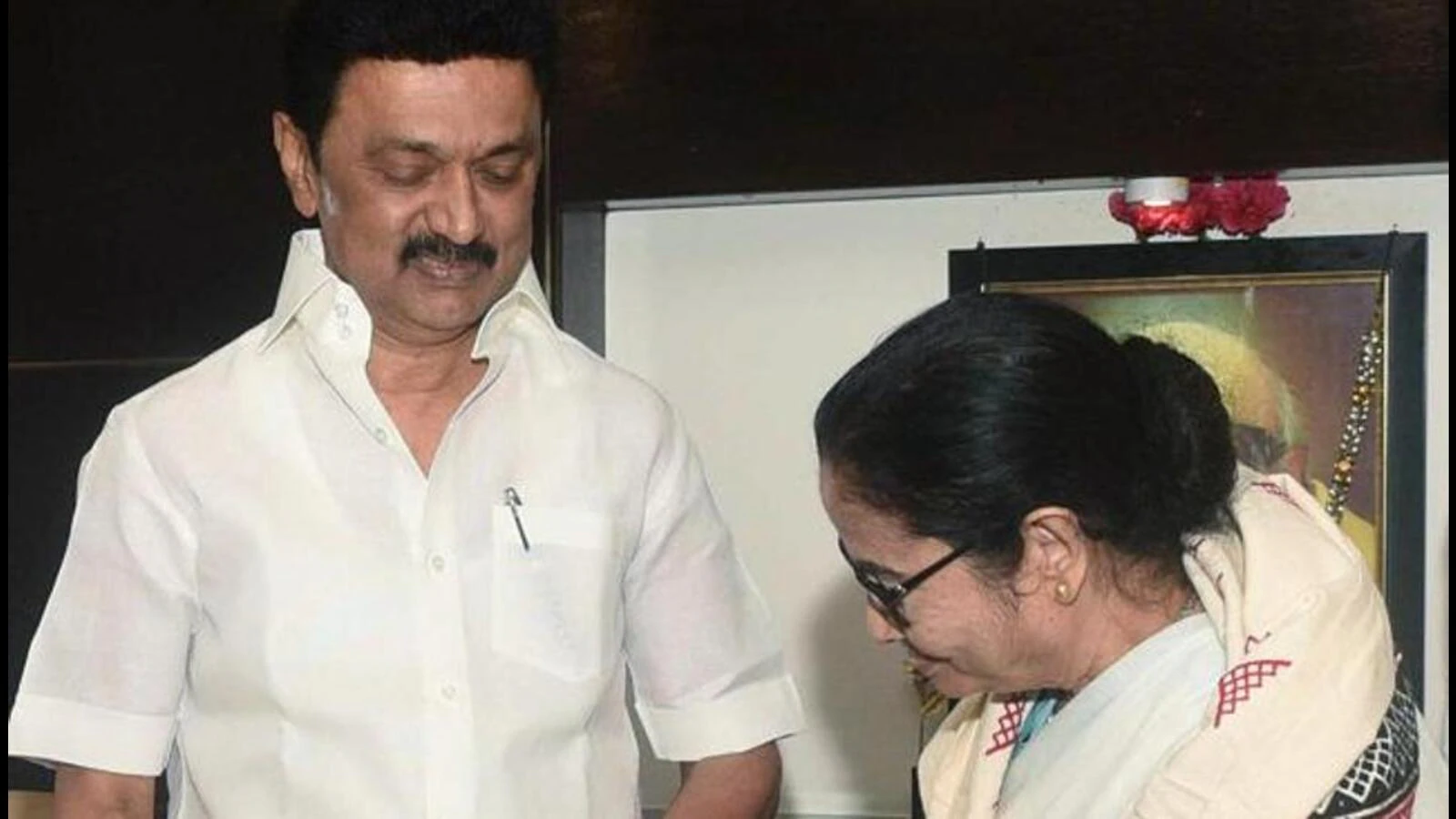
There is something uniquely powerful about a sitting Chief Minister losing their own constituency. It is not just a political defeat; it is a personal rebuke from the electorate.
Both Stalin and Mamata’s losses underscore this phenomenon. Voters did not merely vote against their parties—they voted against them, directly and personally. This distinction matters. It signals a deeper level of dissatisfaction, one that goes beyond policy disagreements to touch on leadership perception.
Such outcomes are rare in Indian politics, where strong leaders often retain their seats even when their parties falter. That both leaders faced this fate simultaneously makes the 2026 elections particularly historic.
The Rise of Outsiders and Disruptors
Another defining feature of these elections is the rise of political outsiders. Vijay’s success in Tamil Nadu exemplifies this trend. His victory reflects a broader appetite for disruption—an eagerness among voters to break free from entrenched political cycles.
This is not an isolated phenomenon. Across India, there has been a gradual shift toward leaders who position themselves as alternatives to traditional power structures. Whether they come from cinema, activism, or grassroots movements, these figures often tap into a desire for authenticity and change.
However, the challenge for such leaders is sustainability. Winning an election is one thing; governing effectively is another. Vijay’s next steps will be closely watched—not just in Tamil Nadu, but across the country.
What Went Wrong for the DMK and TMC?
A closer look at the DMK and TMC reveals a combination of structural and strategic missteps.
For the DMK:
-
Perceptions of dynastic politics and centralization of power hurt its image.
-
Failure to adequately counter opposition narratives created vulnerabilities.
-
A disconnect between leadership and grassroots concerns became increasingly evident.
For the TMC:
-
Organizational fatigue and internal dissent weakened its base.
-
The BJP’s relentless campaign eroded its strongholds.
-
Governance issues and allegations of corruption provided ammunition to opponents.
In both cases, the inability to adapt to changing voter expectations proved decisive.
The BJP’s Expanding Footprint
The BJP’s landslide in West Bengal is a testament to its growing national reach. Once confined to specific regions, the party has steadily expanded its footprint through a combination of strategic alliances, strong organization, and targeted messaging.
Its success in Bengal suggests that no state is beyond its reach. For regional parties, this presents a formidable challenge. Competing against the BJP requires not just local strength but also a compelling narrative that can counter its ideological appeal.
A New Political Era?
The 2026 elections may well mark the beginning of a new political era in India. One where:
-
Voters are less loyal to parties and more willing to experiment.
-
Strong leaders are no longer immune to defeat.
-
Outsiders can disrupt established political orders.
This fluidity makes Indian politics both unpredictable and dynamic. It also places greater responsibility on political parties to remain responsive, transparent, and innovative.
The Road Ahead
For Stalin and Mamata, the immediate challenge is rebuilding—both politically and personally. Their defeats, while significant, do not necessarily signal the end of their careers. Indian politics has seen many comebacks, and both leaders possess the experience and resilience to attempt one.
For the INDIA bloc, the task is even more daunting. It must reassess its strategy, leadership structure, and messaging if it hopes to remain a viable counterweight to the BJP.
And for voters, these elections reaffirm a crucial truth: democracy, when exercised decisively, has the power to upend even the most entrenched power structures.
The Voter’s Verdict
If there is one overarching takeaway from the 2026 Assembly elections, it is this: Indian voters are no longer willing to settle for the status quo. They are demanding accountability, authenticity, and above all, change.
The defeats of M.K. Stalin and Mamata Banerjee are not just political events—they are statements. Statements that power is temporary, that performance matters, and that no leader is beyond scrutiny.
In a democracy as vast and diverse as India, such moments are not just inevitable—they are essential.
With inputs from agencies
Image Source: Multiple agencies
© Copyright 2026. All Rights Reserved. Powered by Vygr Media.