 By
By 
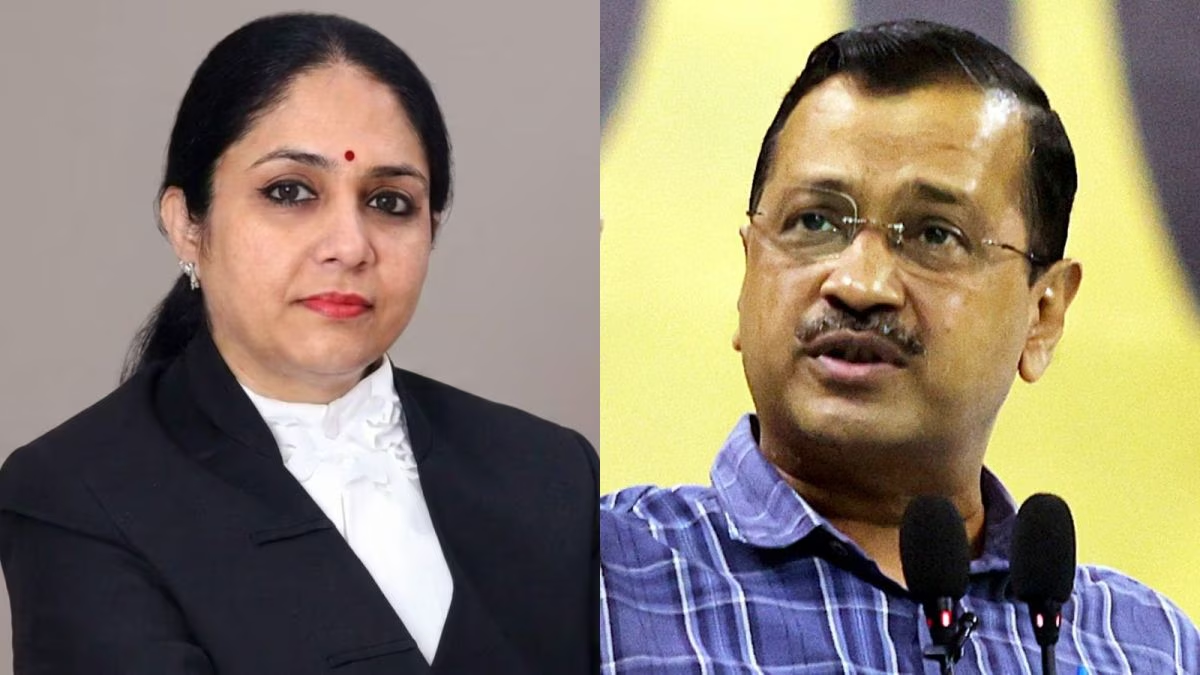
The Delhi High Court on Monday delivered a forceful and unusually candid order rejecting Delhi Chief Minister Arvind Kejriwal’s plea seeking the recusal of Justice Swarana Kanta Sharma from hearing matters connected to the now-scrapped excise policy case. The ruling, laced with sharp observations on judicial integrity and the limits of litigant choice, has added a dramatic new dimension to one of India’s most politically charged legal battles.
At the heart of the controversy lies Kejriwal’s allegation that certain remarks made by Justice Sharma in earlier proceedings indicated bias against him. His legal team argued that these observations created a “reasonable apprehension” that he would not receive a fair hearing, and therefore the judge should step aside. But in a detailed order, Justice Sharma dismissed the plea, asserting that recusal cannot be sought on “mere conjectures” or dissatisfaction with judicial remarks.
The judge’s response was not just procedural—it was pointed, philosophical, and at times admonitory. “You are trying to put the judiciary on trial,” she told the petitioner, according to court proceedings reported across multiple outlets. That line would go on to dominate headlines, capturing the court’s stance that such pleas, if entertained casually, risk undermining public confidence in the justice system itself.
A Rare Judicial Pushback
Justice Sharma’s order laid out multiple reasons—nine, as widely reported—explaining why she refused to withdraw from the case. Central to her reasoning was the principle that judges are duty-bound to hear cases assigned to them unless there are compelling and substantiated reasons to recuse.
She clarified that adverse observations made during hearings, particularly in complex criminal matters, cannot automatically be construed as bias. Judges, she noted, are expected to engage critically with arguments, question parties, and sometimes make prima facie observations. To interpret these as prejudice would make it nearly impossible for courts to function effectively.
The court also stressed that allowing litigants to seek recusal based on subjective discomfort would open the floodgates to “bench hunting”—a practice where parties attempt to choose judges perceived to be favourable to them. Such a trend, the judge warned, would erode the very foundation of judicial independence.
“Justice Cannot Be Guided by Perception Alone”
In a carefully worded passage, Justice Sharma emphasized that justice must not only be done but also seen to be done—yet this principle cannot be stretched to accommodate every perception of bias. The apprehension of unfairness, she held, must be reasonable and based on tangible material, not speculative interpretations of courtroom exchanges.
She further observed that if judges were to recuse themselves every time a party expressed dissatisfaction, it would lead to chaos in judicial administration. Courts would become vulnerable to pressure tactics, and the impartiality of the judiciary could paradoxically be weakened rather than strengthened.
The judge also pointed out that recusal is a matter of personal conscience for a judge, not something that can be dictated by litigants. While courts are sensitive to concerns about fairness, they cannot allow the process to be manipulated.
Context: The Liquor Policy Case
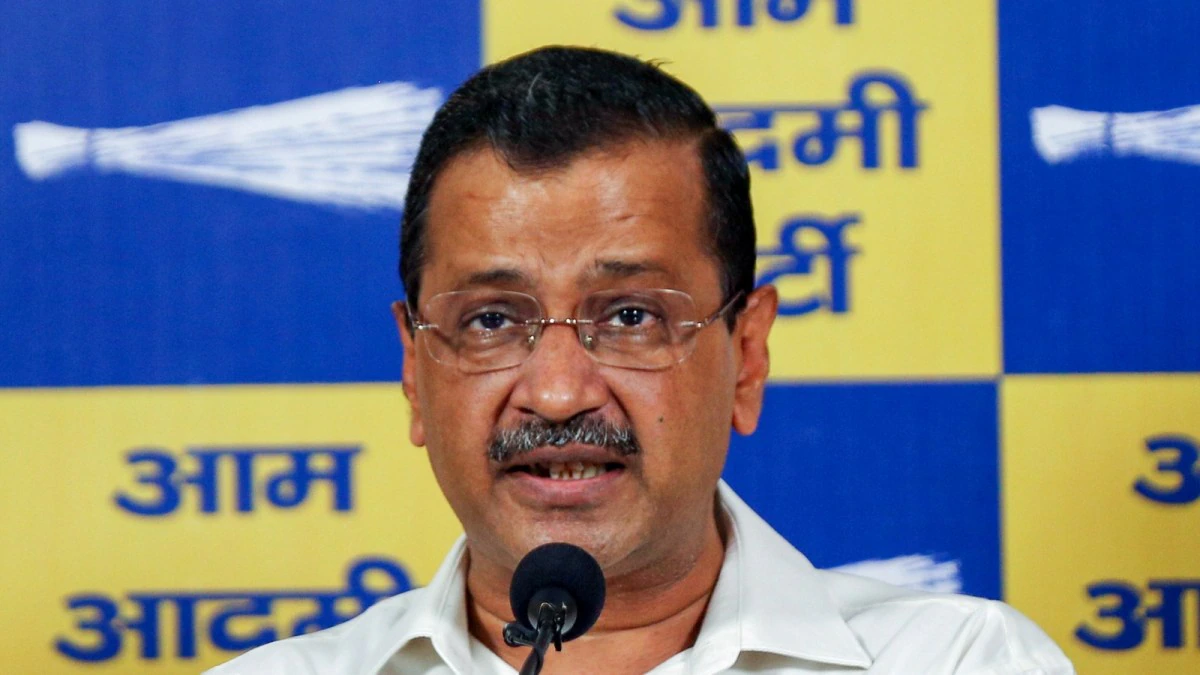
The recusal plea arises from the broader investigation into Delhi’s 2021–22 excise policy, which was later withdrawn amid allegations of irregularities and corruption. The case has seen multiple arrests, including prominent political figures, and has become a flashpoint between the ruling Aam Aadmi Party and central investigative agencies.
Kejriwal himself has been under scrutiny, and his legal challenges have frequently reached the Delhi High Court. It was during one such proceeding that Justice Sharma made remarks that the Chief Minister’s legal team later cited as indicative of bias.
However, the court made it clear that judicial observations must be read in context. Comments made during hearings, especially in response to arguments or evidence presented, do not necessarily reflect a final opinion on the merits of the case.
Strong Words from the Bench
What set this ruling apart was not just its legal reasoning but its tone. Justice Sharma’s remarks suggested a deep concern about the implications of the plea.
“You cannot choose the judge,” she effectively underscored, reinforcing a foundational principle of the legal system. The court also indicated that attempts to question a judge’s impartiality without solid grounds could damage the institution’s credibility.
In one of the more striking moments, the judge remarked that such pleas risk creating a perception that the judiciary is susceptible to influence or pressure—an outcome that courts must actively guard against.
Legal and Constitutional Implications
Legal experts say the order is significant for reaffirming the boundaries of recusal jurisprudence in India. While the right to a fair trial is fundamental, it must be balanced against the need to preserve judicial independence and prevent misuse of procedural safeguards.
The Supreme Court has, in past rulings, held that recusal should be exercised sparingly and only when there is a real likelihood of bias. Justice Sharma’s order appears to align with this broader judicial philosophy, emphasizing objectivity over perception.
The ruling also highlights the delicate relationship between the judiciary and high-profile political litigants. In cases involving powerful individuals, courts often face heightened scrutiny, making it all the more important to maintain both actual and perceived neutrality.
Political Undertones
Given Kejriwal’s position as a sitting Chief Minister and a prominent opposition leader, the case carries significant political weight. The excise policy investigation has already fueled intense debates about governance, accountability, and the use of investigative agencies.
The rejection of the recusal plea is likely to be interpreted through this political lens, even as the court has sought to keep its reasoning firmly within the bounds of law and judicial principle.
What Lies Ahead
With the recusal plea dismissed, Justice Sharma will continue to hear matters related to the case. This means that Kejriwal’s legal challenges will proceed before the same bench, setting the stage for further courtroom confrontations.
The ruling also sends a broader message to litigants across the country: recusal is not a tactical tool to be deployed at will. It is an exceptional measure, grounded in the judge’s own assessment of fairness and propriety.
A Defining Moment
In many ways, the order represents a defining moment in the ongoing saga of the Delhi excise policy case. It not only addresses a specific legal plea but also touches on larger questions about trust in institutions, the limits of legal strategy, and the resilience of judicial processes under pressure.
Justice Sharma’s words—firm, unambiguous, and at times stern—serve as a reminder that the judiciary is not merely a stage for contesting parties but an institution with its own principles and responsibilities.
As the case moves forward, the spotlight will remain firmly on the courtroom, where law, politics, and public perception continue to intersect in complex and often unpredictable ways.
With inputs from agencies
Image Source: Multiple agencies
© Copyright 2026. All Rights Reserved. Powered by Vygr Media.