 By
By 
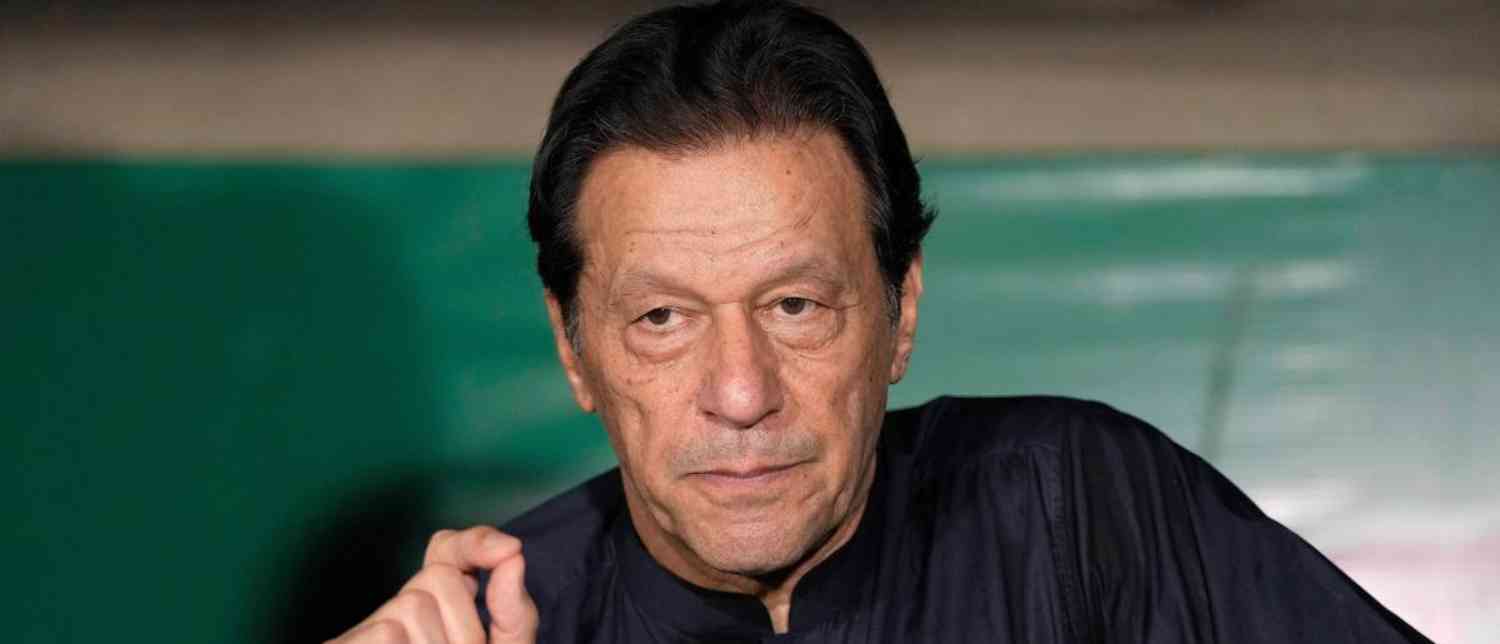
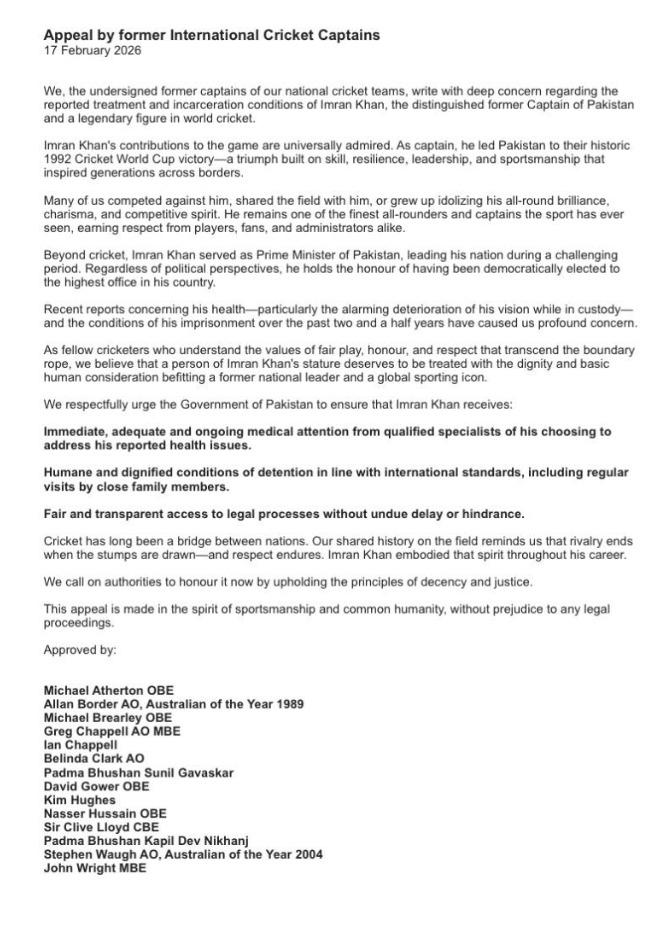
A powerful coalition of cricketing greats from across generations and nations has come together in an unprecedented show of solidarity for Pakistan’s former Prime Minister and 1992 World Cup-winning captain, Imran Khan. Fourteen legendary former captains—including India’s Sunil Gavaskar and Kapil Dev, Australia’s Greg Chappell, and England’s Michael Atherton—have jointly appealed to the Pakistan government to ensure that Khan receives humane treatment, urgent medical care, and fair access to legal processes while in prison.
The appeal, addressed to the government led by Prime Minister Shehbaz Sharif, underscores mounting concerns over Khan’s deteriorating health and the reported conditions of his incarceration. The signatories have emphasized that their plea is rooted not in politics, but in sportsmanship, humanity, and respect for a global sporting icon.
Why 14 Cricket Captains Have Rallied Behind Imran Khan
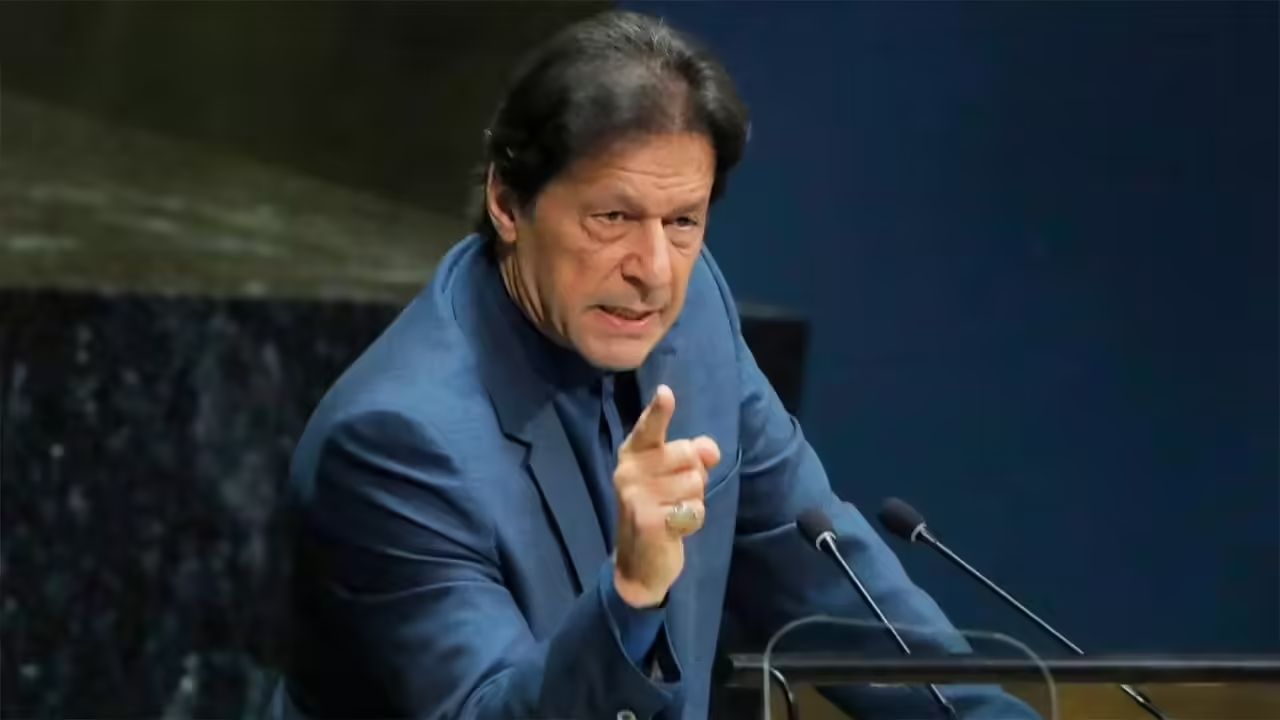
The joint letter—signed by 14 former national captains spanning six decades of cricket—describes “deep concern” over the reported treatment and prison conditions of Imran Khan, who led Pakistan to its only Cricket World Cup title in 1992.
Among those who signed the appeal are:
-
Sunil Gavaskar (India)
-
Kapil Dev (India)
-
Michael Atherton (England)
-
Allan Border (Australia)
-
Michael Brearley (England)
-
Greg Chappell (Australia)
-
Ian Chappell (Australia)
-
Belinda Clark (Australia)
-
David Gower (England)
-
Kim Hughes (Australia)
-
Nasser Hussain (England)
-
Clive Lloyd (West Indies)
-
Steve Waugh (Australia)
-
John Wright (New Zealand)
Additionally, former India captain Sourav Ganguly publicly backed the plea, calling it the “right thing” to do.
This extraordinary list reflects not only cricketing excellence but also a rare unity across borders—India, Pakistan, Australia, England, West Indies, and New Zealand.
Concerns Over Imran Khan’s Health in Jail
Khan, 73, has been in detention since August 2023 and has now spent more than 800 days behind bars. He is currently serving two separate prison sentences of 17 years and 14 years in different cases, including a 14-year sentence handed down in 2023 in a corruption case. His supporters insist the charges are politically motivated.
Recent reports have intensified concerns about his physical condition. According to claims made by a court-appointed lawyer, Khan has allegedly been left with just 15 percent vision in his right eye after authorities ignored his medical complaints for nearly three months. Other reports suggest he has lost approximately 85 percent of vision in that eye due to what has been described as medical neglect.
Michael Atherton, writing in The Times, London, reported that Khan is close to losing sight in his right eye. These alarming accounts have formed a central pillar of the captains’ appeal.
Khan is being held at Adiala prison in Rawalpindi. According to the UN Special Rapporteur on Torture, he has reportedly endured extended periods of solitary confinement—spending up to 23 hours a day in his cell—with severely restricted access to the outside world and constant camera surveillance.
His sister, Aleema Khanum, has also spoken publicly about his worsening health and alleged mistreatment in prison.
The Three Key Demands in the Appeal
The letter outlines three specific requests directed at the Pakistan government:
-
Immediate and ongoing medical treatment from qualified specialists of Khan’s choosing to address his reported health issues.
-
Humane and dignified detention conditions, in line with international standards, including regular visits from close family members.
-
Fair and transparent access to legal processes, without undue delay or hindrance.
The signatories made it clear that their appeal is made “in the spirit of sportsmanship and common humanity, without prejudice to any legal proceedings.”
Their message emphasized that while legal processes must run their course, basic dignity and human rights should not be compromised.
Sunil Gavaskar: ‘He Should Be Looked After in a Humane Manner’
Sunil Gavaskar revealed that Greg Chappell initiated the appeal, messaging fellow former captains to rally collective support.
“I have known Imran since he was 17 years old when India was playing at Worcester… after the Test series win at The Oval. He was trying to qualify as an overseas player for Worcestershire then,” Gavaskar said.
Despite political differences, Gavaskar stressed that humanity must prevail. “Whatever the political differences there, we believe that he should be looked after in a humane manner and given proper medical care,” he added.
Kapil Dev echoed the sentiment, stating he stands by everything written in the letter.
Sourav Ganguly: ‘He Took Pakistan to the World Map’
Backing the appeal, Sourav Ganguly highlighted Khan’s immense contribution to Pakistan both as a cricketer and a national leader.
“They have done the right thing,” Ganguly said. “I hope his health recovers and I hope he gets the right treatment because he has taken Pakistan to the world map being captain of the Pakistan cricket team and then Prime Minister of Pakistan, so he should be looked after.”
Ganguly’s remarks underscore how Khan’s stature transcends cricket, extending into politics and national identity.
Imran Khan’s Legacy: From World Cup Glory to Prime Minister
Imran Khan’s cricketing career spanned from 1971 to 1992, culminating in Pakistan’s historic triumph at the 1992 Cricket World Cup in Australia. The victory remains Pakistan’s only men’s ODI World Cup title.
His leadership during that tournament cemented his status as a national icon. Known for his all-round brilliance, charisma, and fierce competitive spirit, Khan earned admiration even from opponents.
The letter notes that many signatories competed against him, shared the field with him, or grew up idolizing his cricketing excellence. He is widely regarded as one of the finest all-rounders and captains the sport has ever seen.
Beyond cricket, Khan founded the Pakistan Tehreek-e-Insaf (PTI) and served as Pakistan’s Prime Minister from 2018 to 2022 before being removed through a no-confidence vote.
The captains acknowledged that regardless of political perspectives, he was democratically elected to the highest office in his country—a distinction they believe warrants dignified treatment.
Support Within Pakistan’s Cricket Fraternity
The appeal from international captains has been mirrored within Pakistan’s cricketing circles. Former fast-bowling greats Wasim Akram and Waqar Younis have used social media to urge authorities to grant Khan access to proper medical care.
Their calls have been echoed by Ramiz Raja, Shoaib Akhtar, and Shahid Afridi—all prominent figures in Pakistan cricket.
PTI, the party founded by Khan, has also expressed “profound concern” over the reported deterioration of his eyesight and strongly condemned the alleged treatment meted out to him.
Government’s Position on the Charges
Pakistani government officials have previously maintained that the charges against Khan are lawful and have rejected claims of political persecution. Authorities argue that no individual, regardless of stature, stands above the rule of law.
The former captains, for their part, have been careful not to interfere with ongoing legal proceedings. Their appeal explicitly states that it is made without prejudice to any judicial process.
Cricket as a Bridge Beyond Politics
The letter’s closing lines reflect a broader message about sport’s unifying power:
“Cricket has long been a bridge between nations. Our shared history on the field reminds us that rivalry ends when the stumps are drawn—and respect endures.”
For many of the signatories—including Gavaskar and Kapil Dev—this is not merely a symbolic gesture. They faced Imran Khan on the field during intense India-Pakistan rivalries, yet have chosen to set aside historical competition in favor of shared values of fair play, honor, and decency.
The breadth of support—from India to Australia, England to the Caribbean—adds unusual weight to the appeal. It represents one of the rare moments when global cricketing voices have united publicly over a human rights concern involving a former player-turned-politician.
A Moment of Moral Solidarity
More than two and a half years into his imprisonment, and amid mounting reports of health deterioration, Imran Khan’s case has evolved beyond a domestic political matter into an issue drawing international attention from the sporting community.
Whether the appeal leads to immediate change remains to be seen. What is clear, however, is that cricket’s former leaders—many of whom once competed fiercely against Khan—have chosen to speak collectively.
In doing so, they have reinforced a message that transcends borders: that dignity, medical care, and fair legal access are not political favors, but basic human rights—even, and perhaps especially, for those who once stood at the pinnacle of sport and state.
With inputs from agencies
Image Source: Multiple agencies
© Copyright 2025. All Rights Reserved. Powered by Vygr Media.