
 By

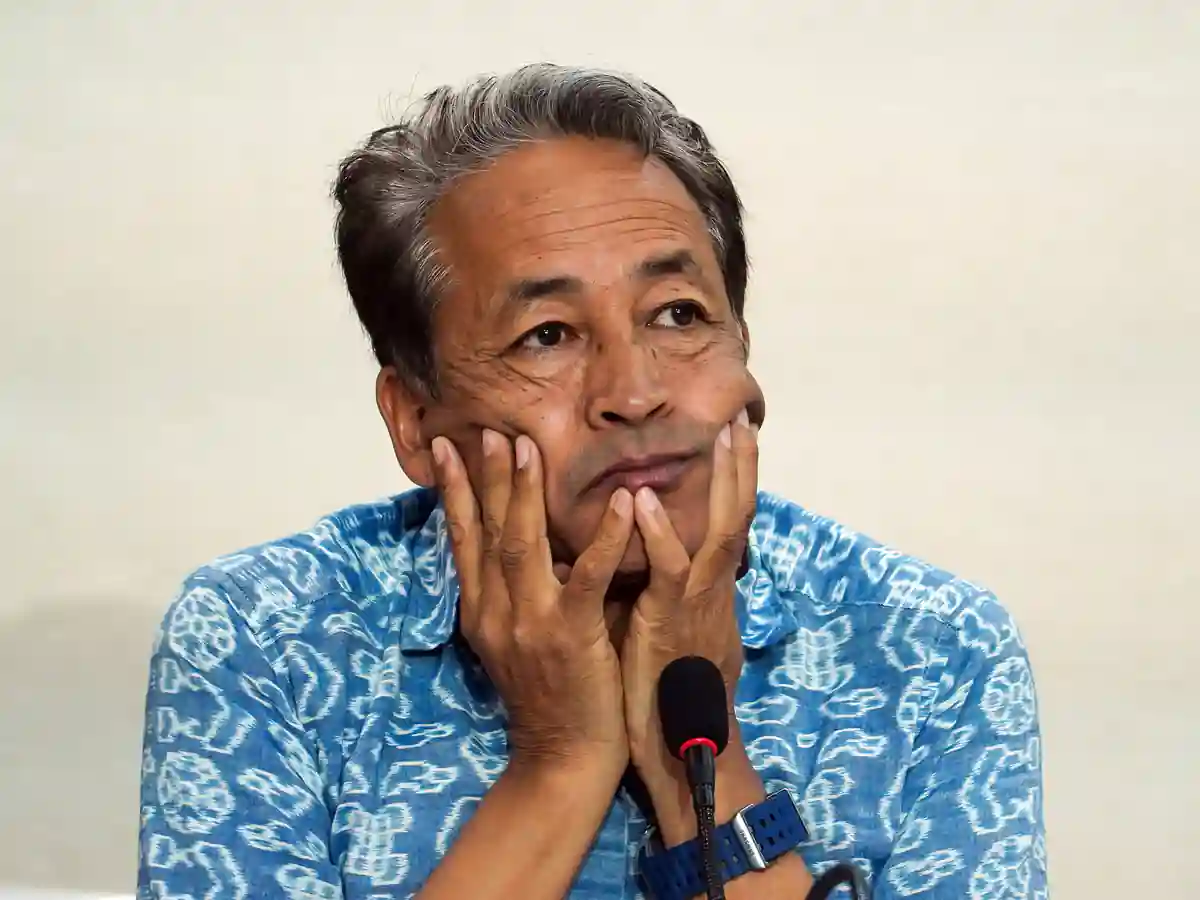
The Ladakh administration has issued a notice directing the Himalayan Institute of Alternatives, Ladakh (HIAL), associated with climate activist and educationist Sonam Wangchuk, to halt classes and other activities at its Desert Flower School in Phyang, Leh, until further directions from the court. The administration has cited the alleged absence of necessary approvals and an ongoing legal dispute concerning the institute's land allotment.
The notice, issued on November 1 by the Tehsildar's office in Leh, was addressed to Dr Gitanjali J Angmo, HIAL's founder and CEO and Sonam Wangchuk's wife. It advises her to maintain the existing status quo and refrain from taking any steps towards the functioning or commencement of activities at the school while the matter remains pending before the High Court of Jammu and Kashmir and Ladakh.
The development adds another dimension to the ongoing dispute between the Ladakh administration and HIAL, which has been challenging the cancellation of a substantial land allotment originally granted to the institute in 2018.
Why Has the Ladakh Administration Asked Sonam Wangchuk's School to Stop Classes?
According to the notice, the administration received information that Desert Flower School in Phyang had commenced classes and other activities without obtaining the necessary consent, clearances or approvals from the competent authorities.
The administration also referred to a communication dated September 22, 2026, in which Gitanjali Angmo had approached the Deputy Commissioner of Leh seeking a No Objection Certificate (NOC) or clearance for the proposed members of the school's managing committee.
However, officials claimed that the school had already started functioning despite the required approvals not being in place.
Taking note of this, the Tehsildar advised Angmo not to undertake any further action related to the school's functioning or commencement of activities until the High Court delivers its final decision or issues additional directions.
The notice also emphasised the importance of maintaining strict status quo, warning against any action that could potentially prejudice the proceedings currently before the court.
Essentially, the administration's position is that activities at Desert Flower School should not continue while the underlying legal dispute remains unresolved.
What Is Desert Flower School and Its Connection With Sonam Wangchuk?
Desert Flower School operates within the broader educational ecosystem associated with the Himalayan Institute of Alternatives, Ladakh.
HIAL, co-founded by Sonam Wangchuk and Gitanjali J Angmo, was established with the objective of developing alternative approaches to education, particularly those relevant to the environmental, geographical and socio-economic challenges of mountain communities.
The institute has focused on promoting sustainable development, practical learning and educational models suited to the Himalayan region.
Sonam Wangchuk, widely recognised for his work in education, innovation and environmental activism, has been associated with efforts to introduce alternative learning approaches in Ladakh.
Desert Flower School is part of this wider educational initiative. However, its functioning has now come under scrutiny amid the administrative and legal proceedings involving HIAL.
The latest notice specifically concerns the school's classes and other activities at Phyang, rather than announcing a final judicial determination on the institute's broader educational objectives.
Understanding the HIAL Land Dispute: Why Was the Allotment Cancelled?
The immediate controversy surrounding Desert Flower School is connected to a much larger dispute over 1,076 kanals and one marla of land allotted to HIAL at Phyang Thang.
The land was allotted in May 2018 with the proposed objective of establishing an alternative university focused on sustainable development and education in the Himalayan region. The allotment was intended to be governed by a 40-year lease, subject to the fulfilment of specified conditions.
However, the arrangement subsequently became the subject of disagreement between the institute and the administration.
On August 21, 2025, the Ladakh administration cancelled the land allotment, arguing that HIAL had failed to complete the necessary lease formalities and establish the proposed university in accordance with the conditions attached to the allotment.
The administration maintained that the institute had not fulfilled important requirements, including the payment of the applicable land premium and ground rent, and had not completed the formal execution of the lease deed.
It also questioned whether the land had been used for the purpose for which it was originally allotted.
HIAL, however, challenged the cancellation, taking the matter to the High Court of Jammu and Kashmir and Ladakh through a writ petition.
The latest notice concerning Desert Flower School is closely linked to these ongoing proceedings.
What Has the High Court Said About the Disputed Land?
The legal dispute is currently being examined by the High Court of Jammu and Kashmir and Ladakh.
In September 2026, the court passed an interim order restraining the administration from creating third-party rights over the disputed land while the petition was being considered.
However, it is important to understand that the interim protection did not amount to setting aside the administration's decision to cancel the land allotment.
In other words, the cancellation decision remained in place, while the court restricted the creation of third-party interests in the disputed property during the proceedings.
The latest notice issued by the Leh administration refers to the pending case and advises HIAL to maintain status quo until the court reaches a final decision or provides further directions.
The administration's position is that continuing activities at the school without the necessary clearances could affect or prejudice the ongoing legal proceedings.
Administration's Allegations and HIAL's Response
The disagreement between HIAL and the Ladakh administration extends beyond the latest school-related notice.
In October 2026, the administration submitted a detailed, 136-page affidavit before the High Court defending its decision to cancel the land allotment.
Among its arguments, the administration claimed that the allotment had lapsed because the institute failed to execute the lease deed and deposit the mandatory land premium within the stipulated period.
It further argued that the proposed university had not been established and that the land had not been utilised for the purpose specified in the original allotment.
The administration also referred to a communication from the Higher Education Department indicating that HIAL was not a recognised university and that its courses did not have statutory affiliation.
HIAL has disputed the administration's version of events.
Gitanjali Angmo has maintained that the institute applied for execution of the lease deed on May 20, 2018, just 15 days after the land allotment. She has also stated that HIAL repeatedly followed up with the authorities regarding the pending formalities.
According to Angmo, the administration itself had acknowledged delays in finalising the lease policy, which affected the execution of lease agreements for several institutions.
She has cited official communications from 2020 and February 2021, which, according to her, acknowledged these administrative delays and permitted construction activities to continue while the lease formalities remained pending.
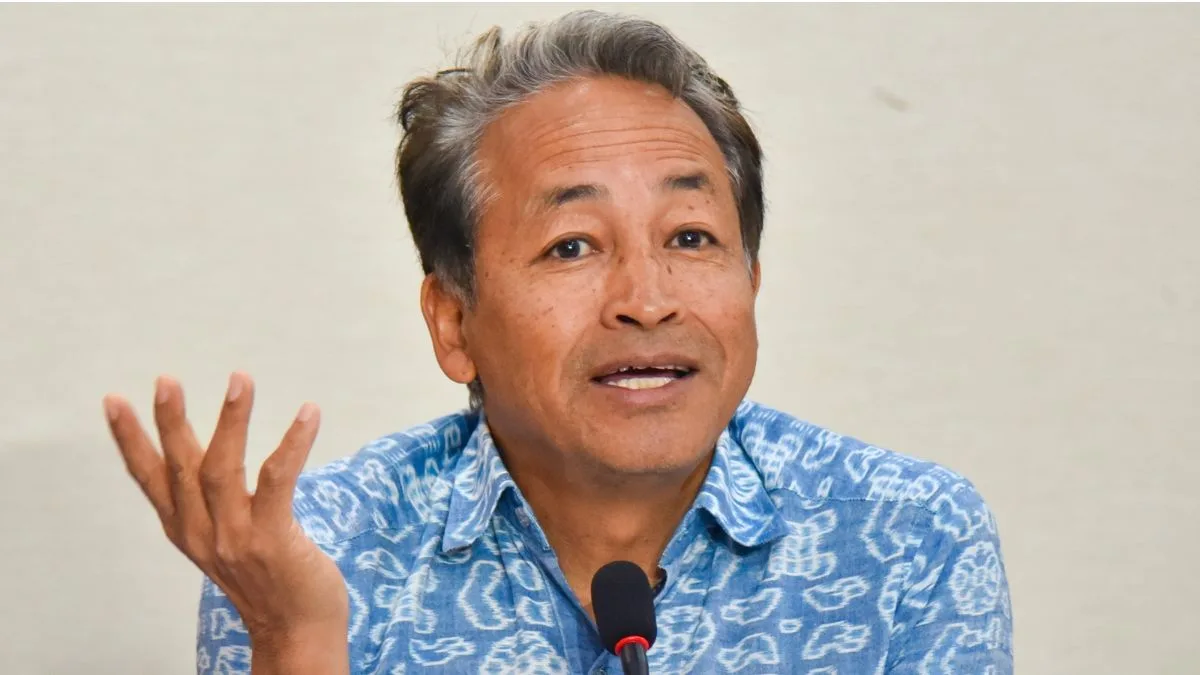
Sonam Wangchuk has also maintained that the institute made repeated efforts to resolve the issue, claiming that he personally made several written appeals, official visits and telephone calls to get the lease deed executed.
Wangchuk has alleged that the land dispute is being used to target him because of his activism and public positions on issues affecting Ladakh.
The administration, meanwhile, has defended its decision by maintaining that the conditions attached to the original land allotment were not fulfilled.
These competing claims remain part of the broader legal dispute and are yet to be conclusively resolved by the court.
What Happens Next for Desert Flower School and HIAL?
The latest notice creates uncertainty over the immediate functioning of Desert Flower School in Phyang.
For now, the administration has advised HIAL and its CEO, Gitanjali Angmo, against proceeding with classes or other activities until the High Court decides the matter or issues further directions.
The next significant development will depend on the proceedings before the High Court of Jammu and Kashmir and Ladakh, particularly its consideration of HIAL's challenge to the cancellation of the 1,076-kanal land allotment.
It is also important to note that the latest administrative notice does not represent a final verdict on the land dispute. Nor does it establish that the institute's allegations against the administration have been accepted or rejected by the court.
The central questions concerning the validity of the cancellation, compliance with the original allotment conditions and the execution of the proposed lease remain matters for judicial consideration.
For Sonam Wangchuk, Gitanjali Angmo and the educational initiative associated with HIAL, the immediate challenge is navigating the administrative restrictions while the larger dispute continues.
As the legal proceedings move forward, the future of Desert Flower School's activities and the institute's plans for its Phyang campus will remain closely tied to the High Court's directions.
The coming court proceedings could therefore prove crucial not only for HIAL's disputed land allotment but also for determining the immediate future of its educational activities in Ladakh.
© Copyright 2026. All Rights Reserved. Powered by Vygr Media.