 By
By 
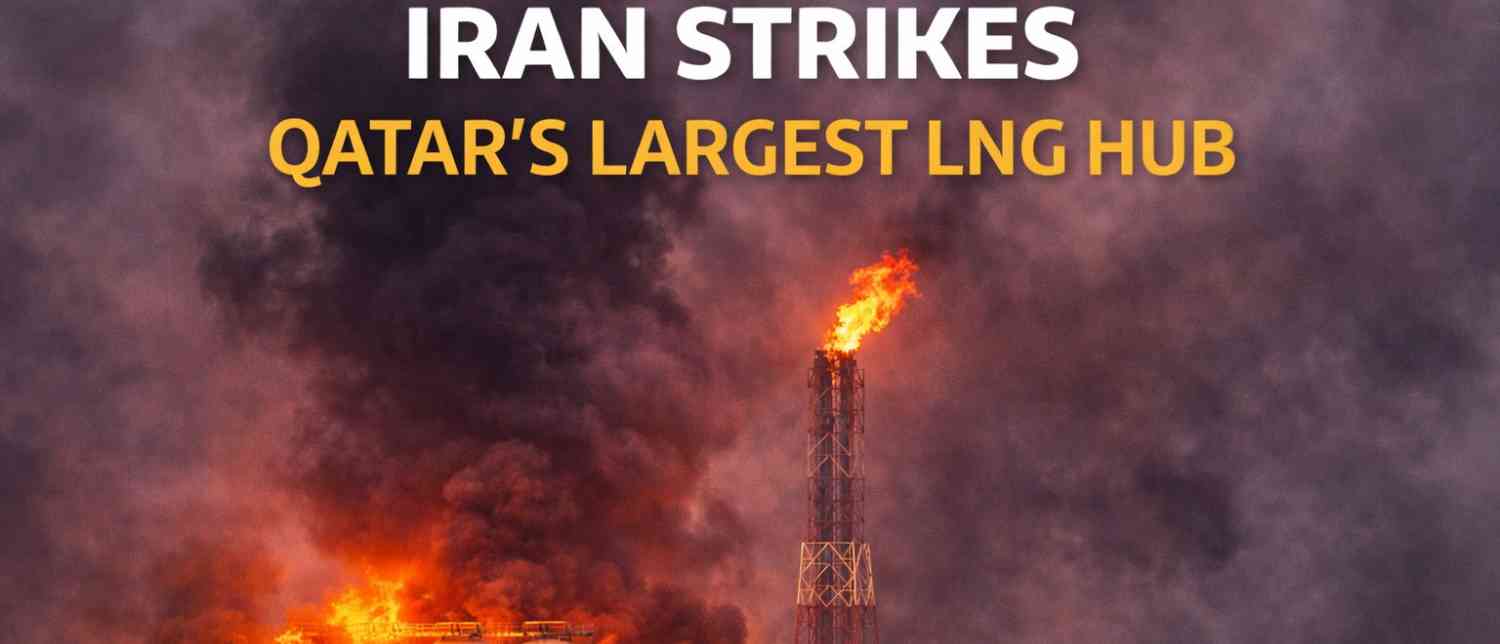
A major escalation in the ongoing West Asia conflict unfolded this week after Iran launched missile strikes targeting Qatar’s Ras Laffan Industrial City, home to the world’s largest liquefied natural gas (LNG) export facility. The attack, which caused fires and extensive infrastructure damage, has raised alarm across global energy markets, intensified geopolitical tensions, and triggered urgent diplomatic efforts to prevent further escalation.
Attack on a Critical Energy Lifeline
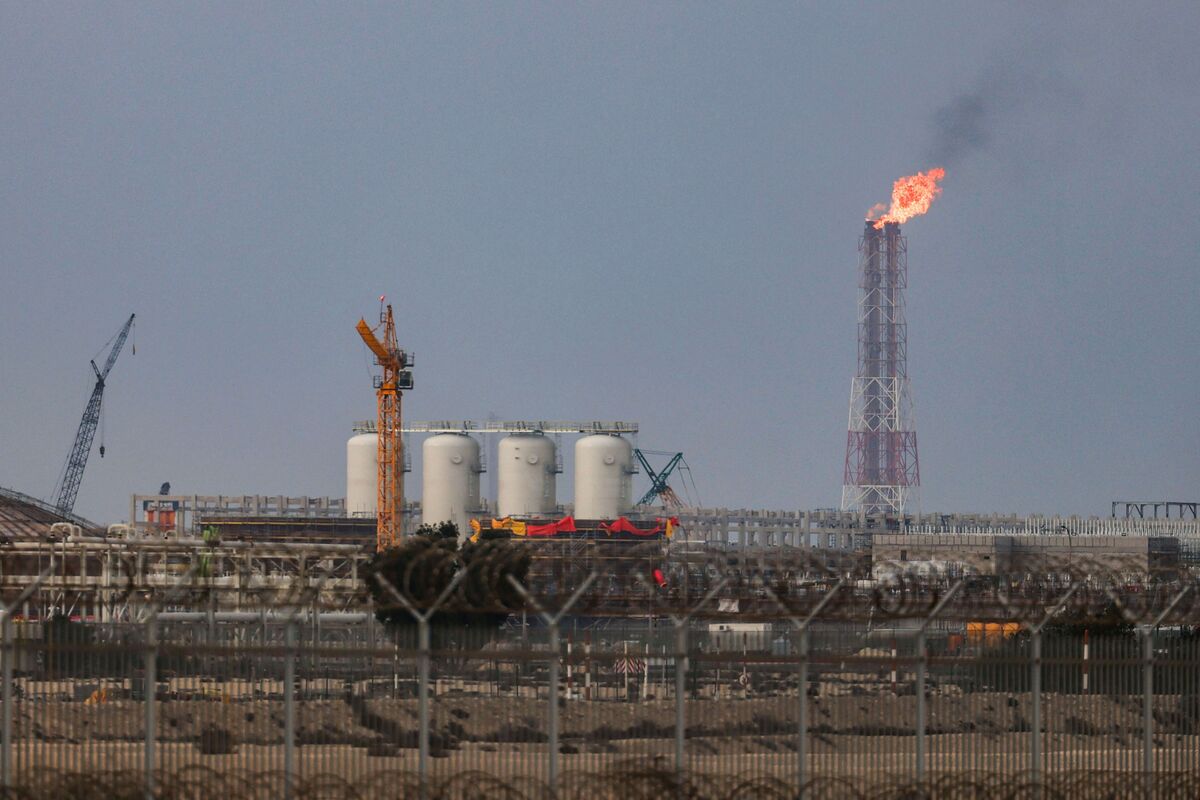
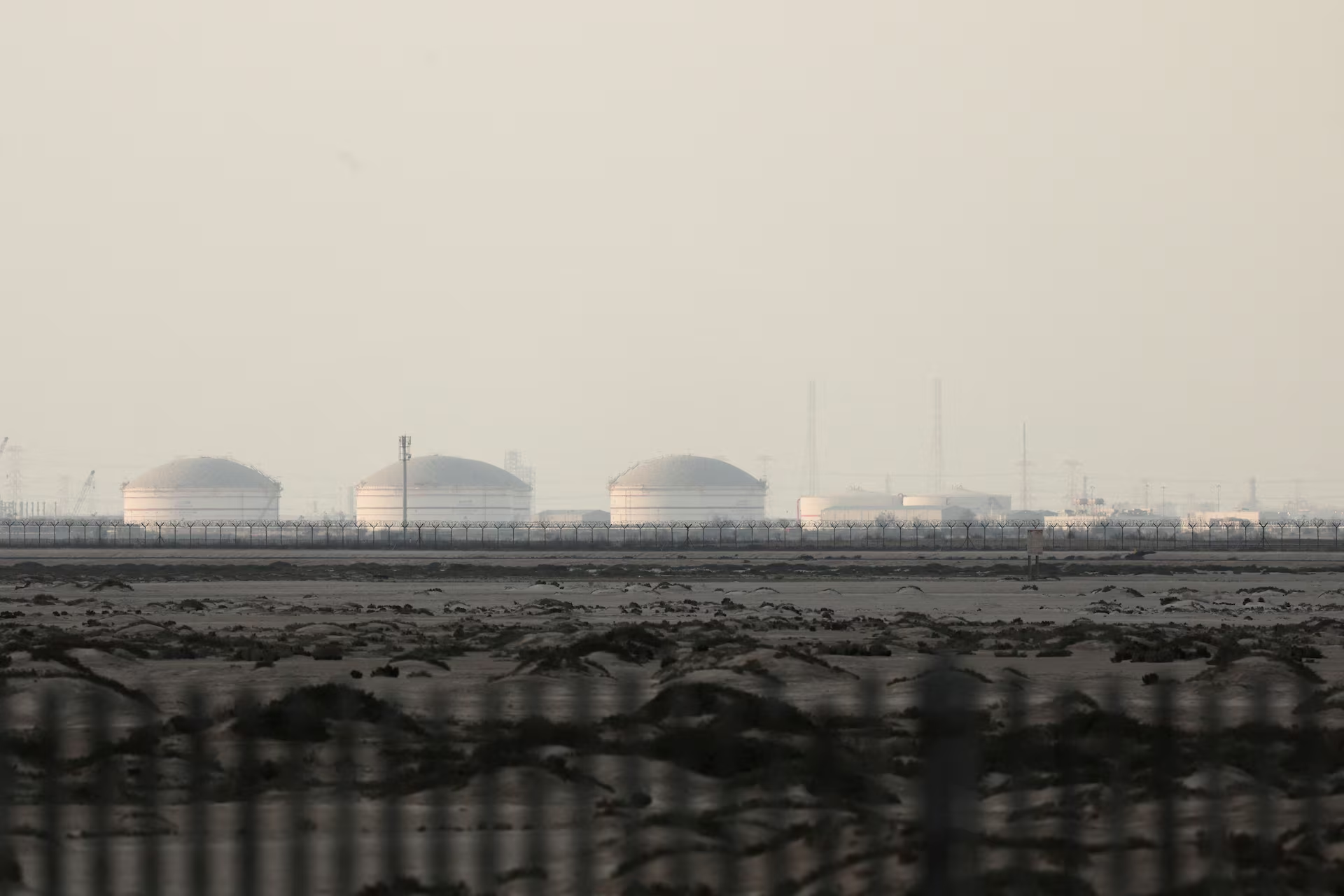
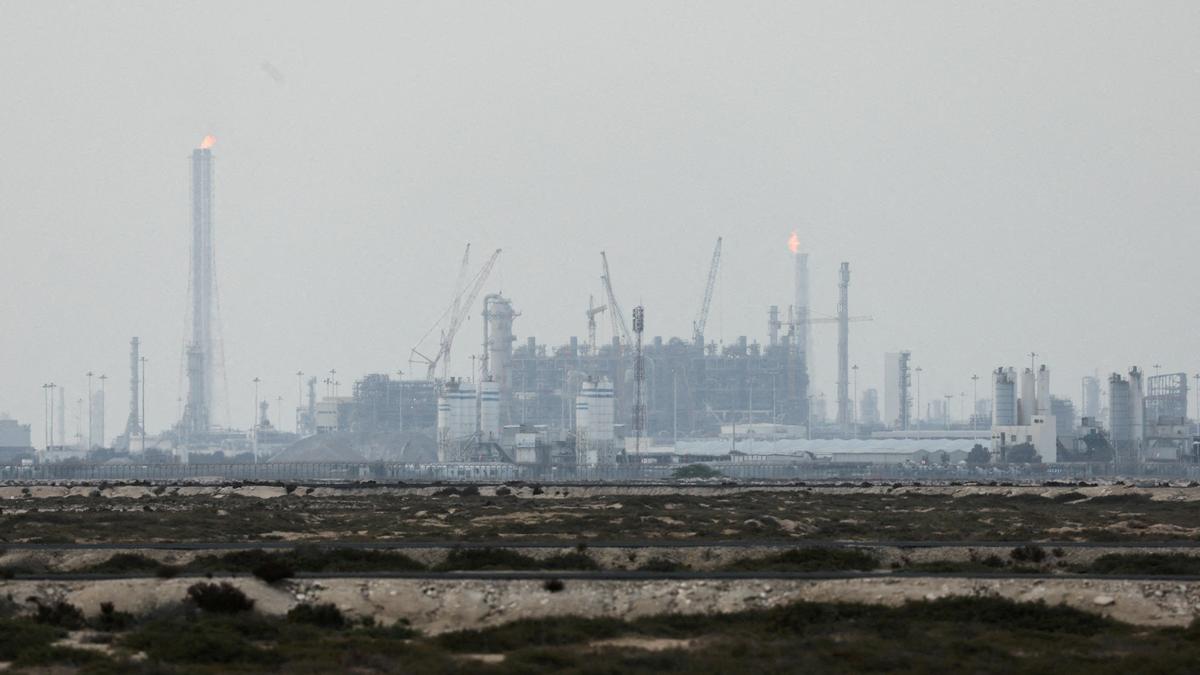
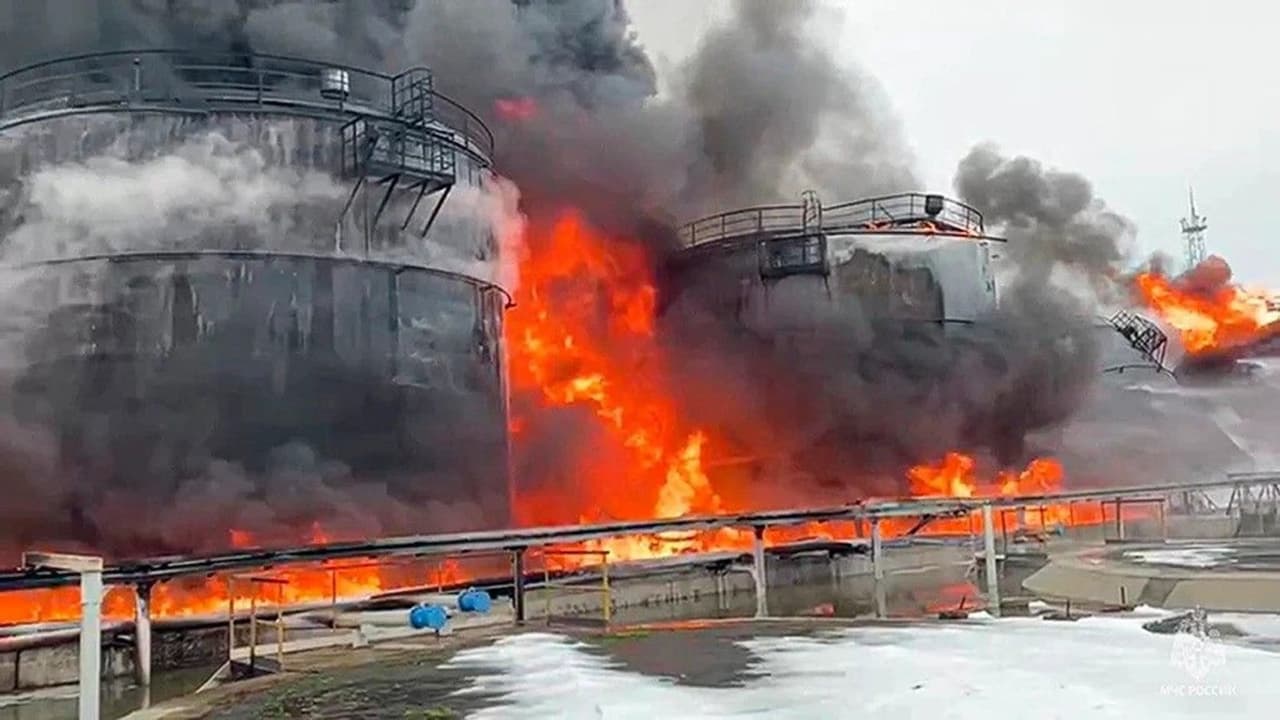
Qatar confirmed that Iranian missiles struck the Ras Laffan LNG hub, a cornerstone of the global energy supply chain. The facility, responsible for a significant portion of the world’s LNG exports, sustained “extensive damage,” according to QatarEnergy. Fires broke out following the strike, with emergency teams deployed to contain the situation and assess the scale of destruction.
Authorities stated that while the attack caused material damage, there were no immediate reports of mass casualties. However, the incident disrupted operations at one of the most strategically vital energy installations globally, prompting concerns over supply continuity.
The Ras Laffan Industrial City is central to Qatar’s status as the world’s leading LNG exporter, supplying key markets across Asia and Europe. Any disruption to its operations has far-reaching implications, particularly at a time when global energy markets are already under strain due to geopolitical instability.
Regional Fallout and Immediate Responses
The missile strike did not occur in isolation. It forms part of a broader escalation in the Middle East conflict, with energy infrastructure increasingly becoming a target. In response to the attack, the United Arab Emirates reportedly shut down major gas facilities as a precautionary measure, reflecting fears of further strikes across the region.
Qatar condemned the attack as a “flagrant violation” of its sovereignty and international law. Officials emphasized that the country reserves the right to respond but also signaled a preference for de-escalation through diplomatic channels.
Iran has not issued a detailed public justification for the strike, though analysts suggest it may be linked to ongoing tensions involving Israel and broader regional rivalries.
Fire, Damage, and Operational Impact
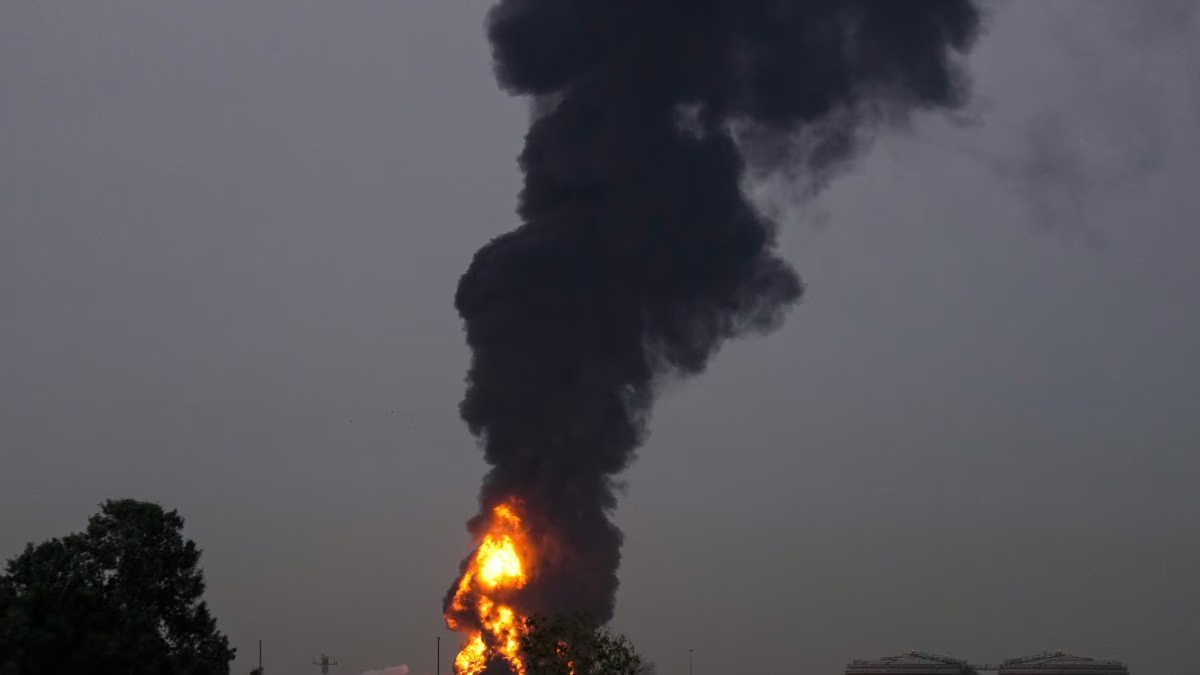
Initial reports from the ground indicated that the missile strike sparked significant fires within the LNG complex. Emergency response teams worked through the night to bring the situation under control, while damage assessment teams began evaluating the impact on production capacity.
QatarEnergy later confirmed that key sections of the facility were affected, though it stopped short of providing a full estimate of output disruption. Industry experts warn that even partial shutdowns could ripple through global supply chains, given the facility’s scale and importance.
The Ras Laffan complex includes multiple LNG trains, storage tanks, and export terminals. Damage to any of these components can lead to bottlenecks, delays, and reduced export volumes.
Global Energy Markets React
The immediate aftermath of the strike saw a sharp surge in global oil and gas prices. Traders reacted swiftly to the potential supply disruption, driving up benchmark prices amid fears of prolonged instability in a region that accounts for a significant share of global energy production.
Analysts highlighted that Qatar’s LNG exports are particularly critical for countries seeking alternatives to pipeline gas, especially in Europe and parts of Asia. Any sustained disruption could lead to tighter supply conditions and higher energy costs worldwide.
Market volatility was further amplified by concerns that the conflict could spread to other major energy producers in the region, compounding the risk to global supply.
Diplomatic Pressure Mounts
The attack has intensified international diplomatic efforts aimed at preventing a wider regional war. The United States, along with other global powers, is reportedly urging restraint on all sides.
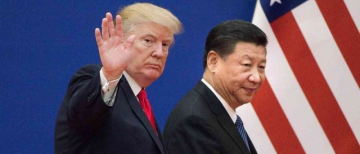
Former U.S. President Donald Trump, who remains an influential political figure, has been mentioned in connection with calls to restrain Israel and avoid further escalation. The situation underscores the delicate balance of power in the region and the potential for rapid deterioration into a broader conflict.
Global leaders are particularly concerned about the targeting of energy infrastructure, which not only escalates military tensions but also threatens economic stability worldwide.
Strategic Importance of Ras Laffan
Ras Laffan Industrial City is not just another energy facility—it is the backbone of Qatar’s economy and a linchpin in the global LNG market. The site handles the processing, storage, and export of millions of tonnes of LNG annually.
Its strategic importance makes it a high-value target in times of conflict. However, the attack also marks a dangerous precedent, signaling a shift toward targeting critical civilian infrastructure in geopolitical disputes.
Experts warn that such actions could lead to a cycle of retaliation, further endangering energy assets across the region and increasing the likelihood of widespread disruption.
Broader Implications for Energy Security
The strike has reignited debates حول global energy security and the vulnerability of critical infrastructure. Countries heavily dependent on LNG imports are now reassessing their risk exposure and exploring contingency plans.
The incident also highlights the interconnected nature of modern energy systems. A disruption in one part of the world can quickly cascade across continents, affecting prices, supply chains, and economic stability.
In the short term, energy-importing nations may turn to alternative suppliers or increase reliance on stored reserves. However, sustained disruptions could strain these measures and lead to longer-term challenges.
A Region on Edge
The Middle East has long been a focal point of global energy production and geopolitical tension. The latest attack underscores how quickly the situation can escalate and the far-reaching consequences of conflict in the region.
With multiple actors involved and overlapping interests at play, the risk of miscalculation remains high. The targeting of Ras Laffan represents a significant escalation, raising fears that other critical facilities could be next.
What Comes Next?
As Qatar continues to assess the damage and restore operations, the international community is closely monitoring developments. The priority remains preventing further escalation while ensuring the stability of global energy supplies.
Key questions remain unanswered:
-
Will Iran launch additional strikes?
-
How will Qatar respond?
-
Can diplomatic efforts successfully de-escalate tensions?
For now, the world watches as one of its most critical energy hubs recovers from an unprecedented attack—an event that may reshape the geopolitical and energy landscape in the months to come.
This is a developing story, with further updates expected as more information becomes available.
With inputs from agencies
Image Source: Multiple agencies
© Copyright 2025. All Rights Reserved. Powered by Vygr Media.