 By

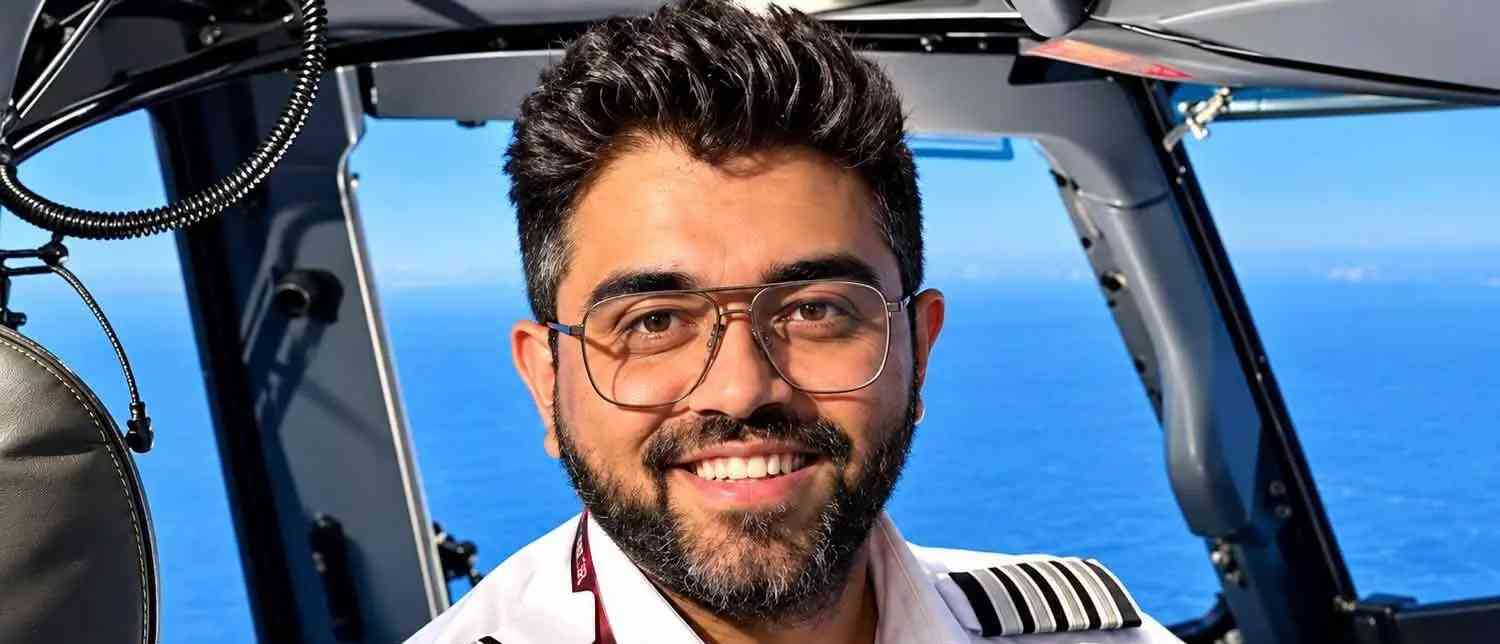
Israeli Prime Minister Benjamin Netanyahu has invited Indian Prime Minister Narendra Modi to join Captain Smit Machchhar in lighting a ceremonial torch at Israel's Independence Day celebrations, placing an Indian pilot's extraordinary act of courage at the centre of a significant diplomatic gesture.
The invitation, announced on October 22, 2026, follows Machchhar's courageous response to a violent cockpit attack aboard a Flydubai flight travelling from Dubai to Tel Aviv on September 30. Despite sustaining serious injuries, the Indian captain managed to open the cockpit door, enabling others to intervene and helping avert what could have become a catastrophic aviation disaster.
The proposed honour brings together two powerful themes: individual bravery in the face of danger and the longstanding strategic partnership between India and Israel. It also highlights the growing public recognition of an Indian pilot whose actions helped protect the lives of 174 people aboard the aircraft.
While Netanyahu has extended the invitation, participation in the traditional torch-lighting ceremony remains subject to the relevant selection process.
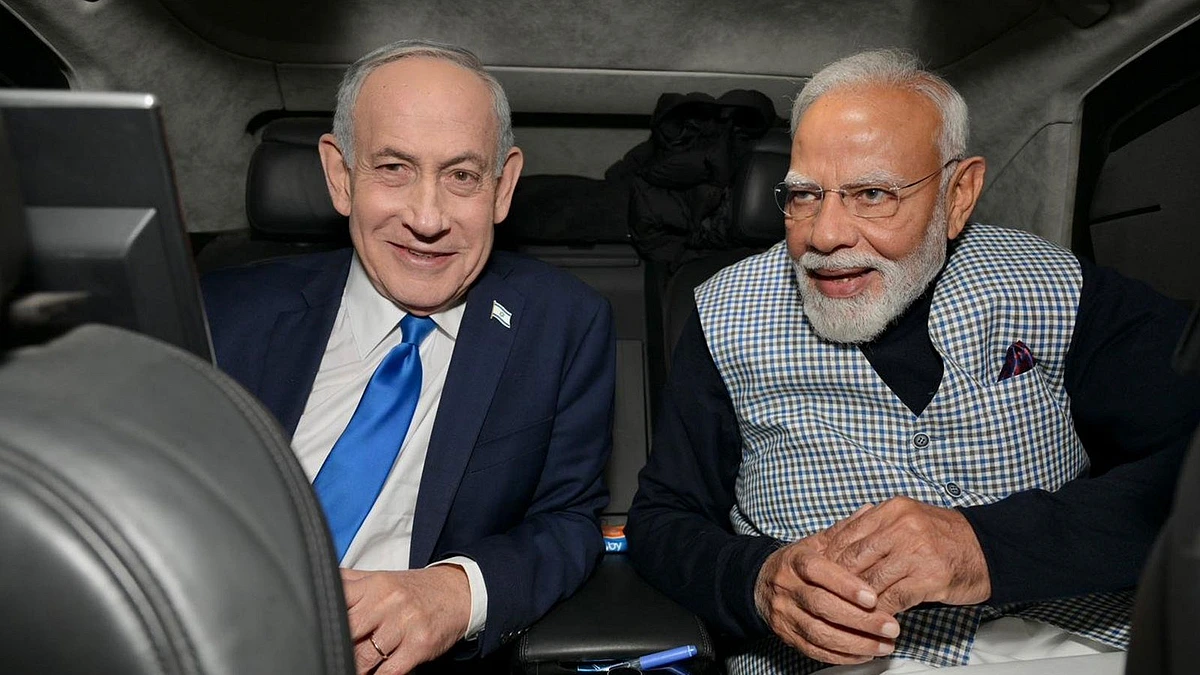
Netanyahu Invites PM Modi and Smit Machchhar to Israel Independence Day
Netanyahu announced the invitation following a telephone conversation with PM Modi on Thursday. In a post on X, the Israeli leader said he had spoken with his Indian counterpart and invited him to light a torch alongside a brave Indian pilot during Israel's Independence Day celebrations.
According to Netanyahu, Modi thanked him for the invitation and highlighted the strong, longstanding relationship between the two countries. The Indian Prime Minister also emphasised their shared commitment to combating terrorism.
The exchange reflects the importance both leaders attach to bilateral cooperation, particularly in addressing security challenges.
The invitation is noteworthy because Israel's Independence Day torch-lighting ceremony is a prominent national tradition. Those selected to light the torches are recognised for their contributions, achievements or exceptional acts. The honour is traditionally associated with Israeli citizens, making the proposed participation of an Indian pilot a particularly significant gesture.
However, the invitation should not be mistaken for final confirmation that the ceremony's arrangements have been formally approved. The selection process involves established procedures, and the final participation details remain to be confirmed.
Who Is Captain Smit Machchhar? The Indian Pilot Who Helped Prevent a Mid-Air Disaster
Captain Smit Machchhar, an Indian pilot associated with Flydubai, came to international attention following the September 30 incident aboard flight FZ1073.
The aircraft was travelling from Dubai to Tel Aviv with 174 people on board when an alleged attack by the co-pilot took place inside the cockpit. Machchhar was seriously injured while attempting to defend himself and regain control of the situation.
The incident quickly escalated into a potentially life-threatening emergency. With the aircraft descending sharply and the captain struggling with his injuries, the immediate priority was to prevent the situation from deteriorating further.
Despite the physical trauma, Machchhar managed to open the cockpit door. This enabled other crew members and people aboard the aircraft to intervene and restrain the attacker.
The aircraft subsequently made an emergency landing in Tabuk, Saudi Arabia. All those aboard survived, and the passengers later reached Israel safely. Machchhar received medical treatment in the United Arab Emirates.
The incident has been treated as a serious aviation security matter, with the circumstances surrounding the alleged attack attracting considerable attention.
For Machchhar, the episode was not simply a frightening confrontation in the cockpit. It was a test of composure under extreme pressure, when seconds mattered and the safety of hundreds of people depended on the actions taken.
His response has since earned praise from Indian and Israeli leaders, transforming the captain into a symbol of courage and professional responsibility.
What Happened Aboard Flydubai Flight FZ1073?
The sequence of events aboard the Dubai-to-Tel Aviv flight offers a glimpse into the extraordinary pressure Machchhar faced.
During a subsequent conversation with Netanyahu, the captain reportedly recalled that the incident began when the co-pilot asked to pray. Machchhar looked towards the front of the aircraft out of respect, only to be struck from behind.
Initially, he did not fully understand what was happening. He soon realised that the co-pilot was attacking him and attempted to defend himself as the aircraft began descending rapidly.
Machchhar sustained serious injuries during the confrontation. Despite impaired vision and the difficulty of moving under attack, he continued trying to stop the assault and open the cockpit door.
His ability to do so proved crucial. Once the door was opened, others could enter and help overpower the attacker.
The aircraft's emergency landing in Saudi Arabia brought the immediate crisis to an end. All 174 people aboard survived, although the captain required medical attention.
The incident underlined the vulnerabilities that can arise even within highly controlled aviation environments. It also demonstrated how decisive action, teamwork and composure can influence the outcome of an emergency.
Authorities have investigated the incident as a serious security matter. Allegations surrounding the co-pilot's actions remain distinct from the established outcome: the aircraft landed safely, and everyone aboard survived.
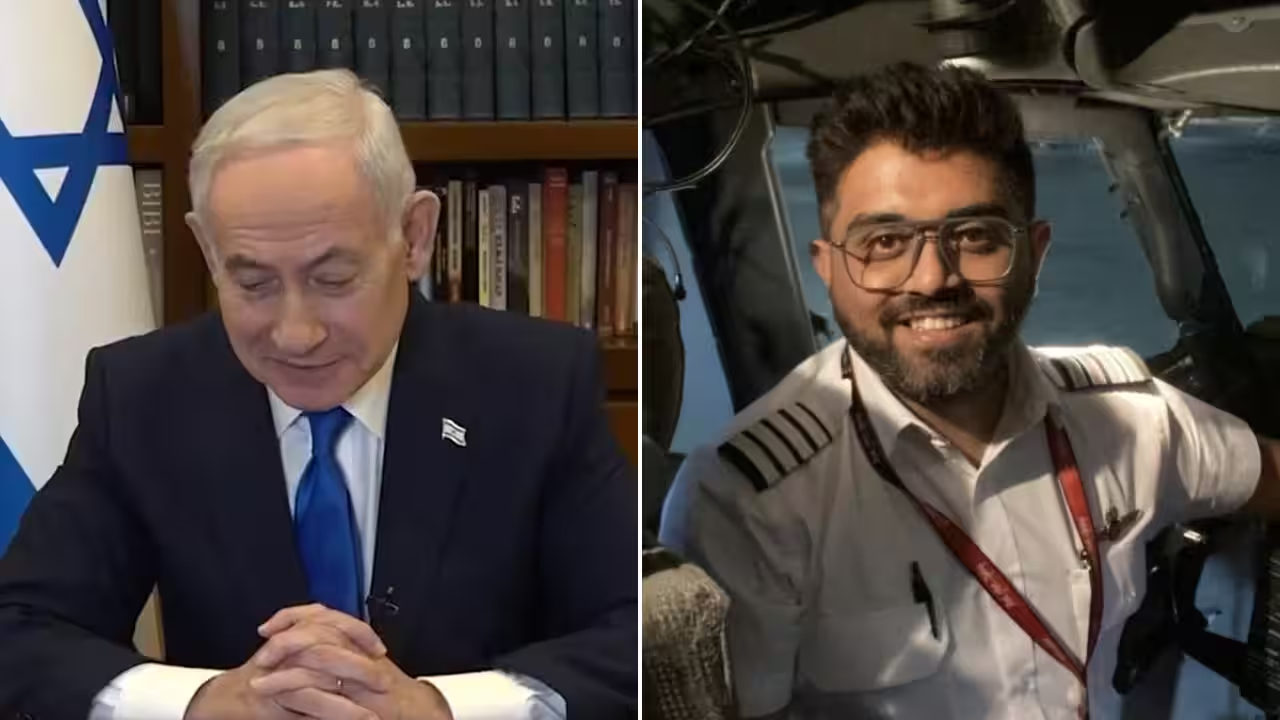
Modi and Netanyahu Praise the Captain's Extraordinary Courage
The invitation to the Independence Day ceremony follows earlier expressions of appreciation for Machchhar's actions from both governments.
PM Modi spoke with the captain by video call on October 2 and praised his courage and presence of mind. He highlighted the significance of the decisions Machchhar had made in a matter of seconds and the lives his actions helped protect.
Modi's remarks framed the incident as an example of courage directed towards saving lives rather than taking them. His message also reflected India's appreciation for individuals who demonstrate exceptional resolve in dangerous circumstances.
Netanyahu has similarly described Machchhar as a hero, praising his determination despite being stabbed and seriously injured. The Israeli leader emphasised that the captain's efforts enabled passengers and crew members to overpower the attacker and helped prevent a potentially disastrous outcome.
Earlier in October, Israeli President Isaac Herzog also invited Machchhar to Israel to receive the Presidential Award for Civilian Heroism.
The proposed torch-lighting honour would therefore represent another expression of recognition for the Indian pilot's actions.
For Machchhar, who has been undergoing treatment in the United Arab Emirates, the attention has focused on the consequences of his actions for the people aboard the aircraft. His ordeal also highlights the risks aviation professionals may face when an emergency unfolds in a confined, high-pressure environment.
India-Israel Relations: A Symbolic Gesture With Diplomatic Significance
Beyond the recognition of an individual, Netanyahu's invitation carries wider significance for India-Israel relations.
The two countries have developed a close strategic partnership spanning defence, security, technology, agriculture and other areas of cooperation. Their relationship was elevated to the level of a strategic partnership during Modi's first visit to Israel in July 2017.
Modi also visited Israel in February 2026, marking his second visit to the country in nine years.
Against this backdrop, the proposed participation of an Indian pilot in Israel's Independence Day celebrations offers a symbolic expression of the relationship between the two nations.
The gesture also places counterterrorism cooperation in the spotlight. Netanyahu said Modi had referred to India and Israel fighting terrorism together, both on the ground and in the air.
The incident involving Machchhar was an aviation emergency rather than a conventional military engagement. Nevertheless, the leaders' emphasis on terrorism and security reflects their broader political and diplomatic priorities.
The invitation also carries a human dimension that extends beyond official meetings and strategic agreements. By recognising an Indian citizen for protecting passengers on a flight bound for Israel, the proposed honour connects the two countries through a shared appreciation of courage and the protection of human life.
Such gestures can strengthen the public symbolism of diplomatic relationships, even when their immediate significance is ceremonial rather than a new policy announcement.
West Asia Developments Also Feature in Modi-Netanyahu Talks
The telephone conversation between Modi and Netanyahu also covered recent developments in West Asia, a region facing persistent security and political challenges.
According to a statement from India's Prime Minister's Office, the leaders exchanged views on developments in the region and stressed the urgent need to restore peace and stability.
Modi reiterated India's position that dialogue and diplomacy should guide efforts to address regional tensions.
The distinction is important. While the invitation and the recognition of Machchhar received considerable attention, the conversation also addressed the broader geopolitical environment in which India-Israel relations operate.
India has continued to emphasise diplomatic engagement as a way forward in West Asia, while maintaining its strategic partnership with Israel. The two countries' discussions therefore combine bilateral cooperation with the need to respond to developments that could affect regional stability.
Netanyahu's public announcement highlighted the invitation and the leaders' shared emphasis on counterterrorism. The official Indian statement, meanwhile, focused on regional developments and the importance of peace and stability.
Together, these messages show how a conversation centred partly on an act of individual bravery also took place against a wider diplomatic backdrop.
What Happens Next?
The proposed torch-lighting ceremony is expected to be a major moment of recognition if the invitation proceeds through the formal selection process.
For now, Netanyahu's announcement establishes his intention to invite Modi to participate alongside Captain Smit Machchhar. The final arrangements, including confirmation of participation, remain subject to the relevant procedures.
Machchhar's recovery is another important consideration following the serious injuries he sustained during the September incident. His actions have already earned praise from senior leaders in both countries, as well as recognition beyond the immediate aviation community.
The proposed honour would give that recognition a prominent international platform.
It would also reinforce a wider message about the value of decisive action in moments of danger. In the cockpit of flight FZ1073, Machchhar faced an emergency with little time to react. His efforts helped create an opportunity for others to intervene and contributed to the survival of everyone aboard.
If the proposed ceremony goes ahead, the moment will carry significance beyond the lighting of a ceremonial flame. It will recognise an act of courage by an Indian pilot while reflecting the diplomatic warmth between New Delhi and Jerusalem.
For India-Israel relations, the invitation represents a symbolic gesture linking national recognition, shared security concerns and a longstanding strategic partnership. For Captain Smit Machchhar, it is a reminder that actions taken in the most difficult circumstances can resonate far beyond the place where they occur.
The story of flight FZ1073 began with a terrifying cockpit confrontation. It has since become a story of survival, professional courage and international recognition—one that could soon find another chapter at Israel's Independence Day celebrations.
© Copyright 2026. All Rights Reserved. Powered by Vygr Media.