 By
By 
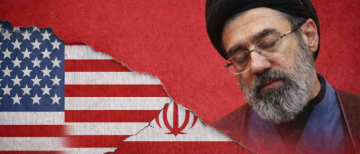
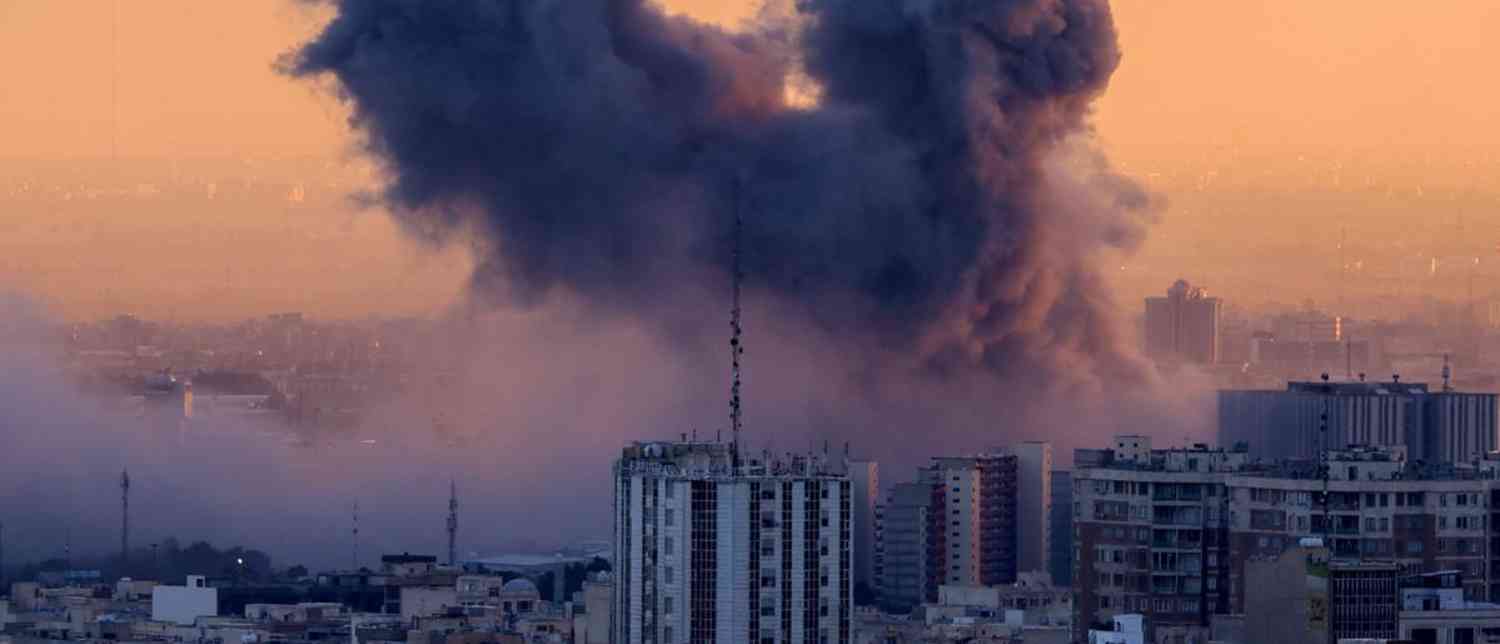
There are wars that redraw borders, wars that topple regimes, and then there are wars like the current U.S.–Iran confrontation—wars that expose the fragility of global order while delivering no clear victor. What has unfolded across the Persian Gulf in recent weeks is not merely a military contest but a geopolitical stress test involving energy markets, fragile alliances, and the limits of modern warfare itself. If one were to construct a “scorecard,” as some analysts have attempted, it would reveal less about winners and losers—and more about a world inching toward systemic instability.
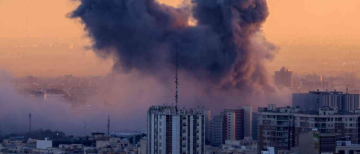
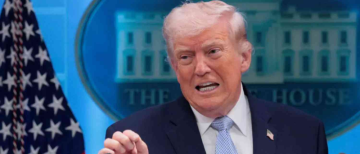
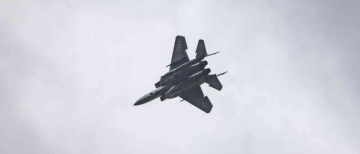
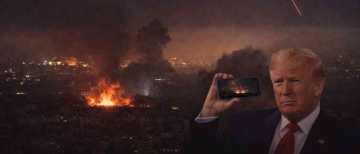
At the heart of this conflict lies a paradox: overwhelming force has not translated into decisive outcomes. The United States, under President Donald Trump, unleashed an extraordinary military campaign—thousands of strikes, strategic bombardments, and direct attacks on Iran’s most sensitive nodes. Among the most consequential targets was Kharg Island, the small but critical hub through which up to 90–96% of Iran’s oil exports flow.
Yet even here, restraint defined aggression. U.S. strikes reportedly hit more than 90 military targets on the island but deliberately avoided oil infrastructure—the very lifeline of Iran’s economy. This selective targeting underscores a fundamental tension: destroy too much, and you destabilize global energy markets; destroy too little, and you fail to cripple your adversary.
This is the first lesson of the war: in a deeply interconnected world, total victory is economically self-defeating.
The Illusion of Military Dominance
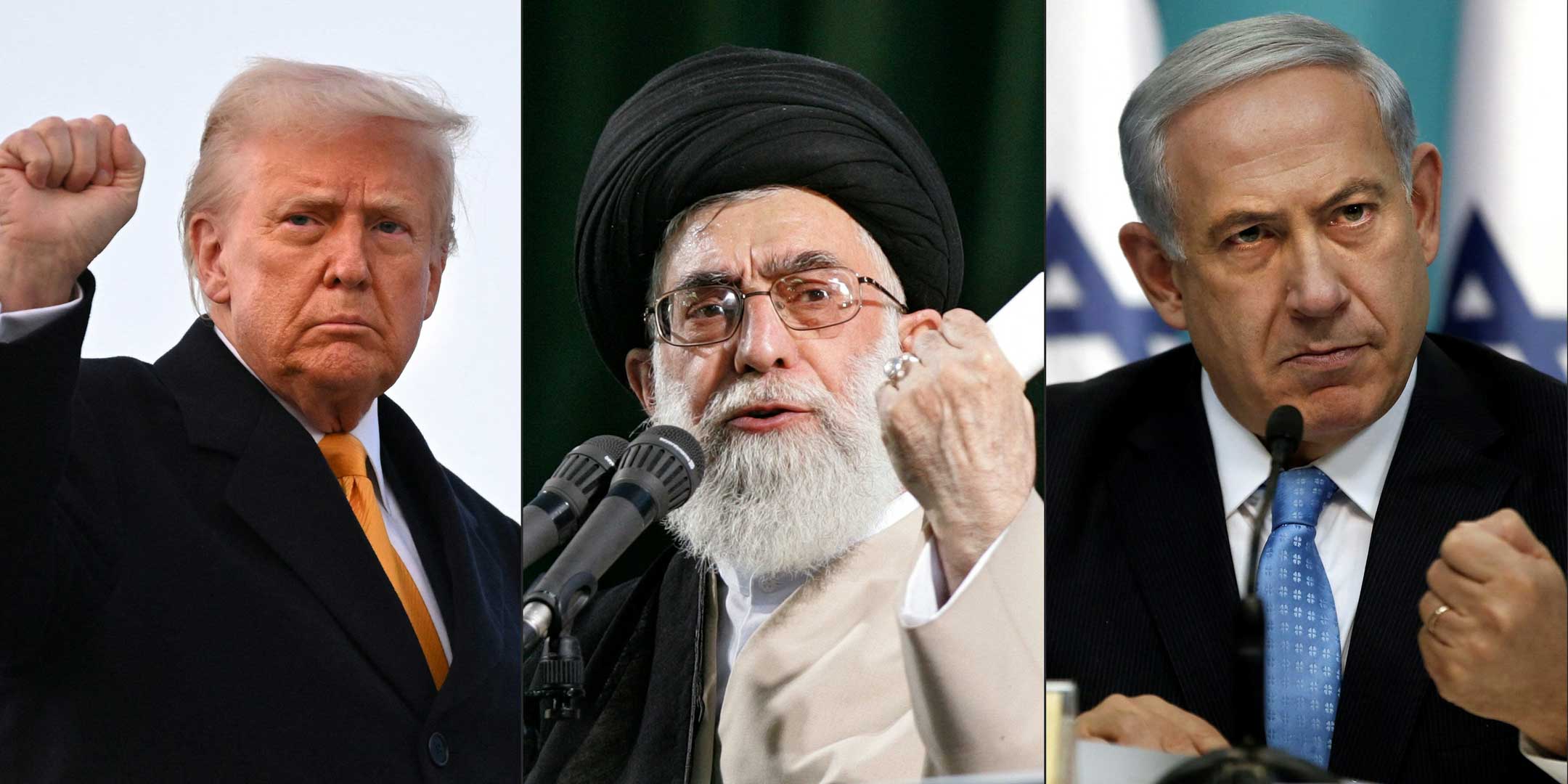
From a purely tactical perspective, Washington appears to hold the upper hand. Its military reach has extended across Iran’s territory, striking infrastructure, leadership figures, and strategic assets. Early in the war, even high-level Iranian officials were targeted, including figures linked to diplomatic outreach—suggesting a campaign that blurred the line between military and political objectives.
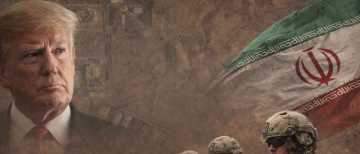
President Trump’s rhetoric has been equally expansive. Threats to “destroy a whole civilization” and earlier warnings to bomb Iran “back to the stone ages” reflect not just escalation, but a willingness to redefine the acceptable limits of warfare.
And yet, despite this overwhelming show of force, Iran has not collapsed. Its leadership remains intact, its strategic posture defiant, and its regional networks active. Tehran has continued to launch missile and drone attacks across the Gulf, targeting infrastructure in countries such as Kuwait, Qatar, and Bahrain.
More importantly, Iran has weaponized geography. By threatening or restricting passage through critical chokepoints like the Strait of Hormuz—and even hinting at control over the Bab el-Mandeb Strait via allied groups—it has demonstrated that asymmetric leverage can rival conventional firepower.
Thus, the second lesson emerges: military superiority does not guarantee strategic dominance.
Oil, Chokepoints, and the Global Economy
If this war has a central battlefield, it is not Tehran or Washington—it is the global energy market.
Kharg Island alone accounts for the overwhelming majority of Iran’s oil exports, making it a pressure point not just for Tehran, but for global supply chains—particularly in Asia. The mere possibility of its disruption has sent shockwaves through oil markets, with prices surging above $100 per barrel during peak tensions.
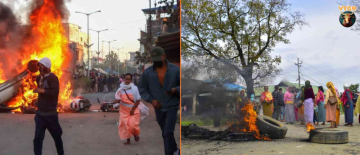
The closure—or even partial disruption—of the Strait of Hormuz compounds this risk. Roughly a fifth of the world’s oil passes through this narrow corridor. Its blockage triggered not just economic anxiety, but political pressure across continents. Governments from Europe to Asia found themselves grappling with fuel shortages, inflationary spikes, and domestic unrest.
Ironically, this economic fallout has constrained both sides. The United States cannot afford a global recession triggered by oil shocks. Iran cannot afford the long-term destruction of its export infrastructure. This mutual vulnerability has created a strange equilibrium—one in which escalation is constant, but total war is avoided.
The third lesson is stark: in modern conflict, energy is both weapon and restraint.
Pakistan’s Unexpected Rise
Perhaps the most surprising development in this war has not occurred on the battlefield at all, but in the diplomatic arena. Pakistan—once seen as a peripheral or even problematic actor in global politics—has emerged as a key mediator.
Through sustained diplomatic engagement, Islamabad positioned itself as a bridge between Washington and Tehran, facilitating backchannel communications and eventually helping broker ceasefire discussions.
This transformation is not accidental. It reflects a calculated strategy: rebuilding trust with the United States, maintaining ties with China, and leveraging relationships across the Gulf. In doing so, Pakistan has turned crisis into opportunity, elevating its geopolitical relevance.
Contrast this with traditional power centers. European nations have struggled to assert influence. Regional players like Saudi Arabia and Turkey remain important but constrained. Even global institutions appear reactive rather than proactive.
Thus, the fourth lesson: in a fragmented world, middle powers can reshape diplomacy when great powers are locked in confrontation.
The Ceasefire That Isn’t Peace
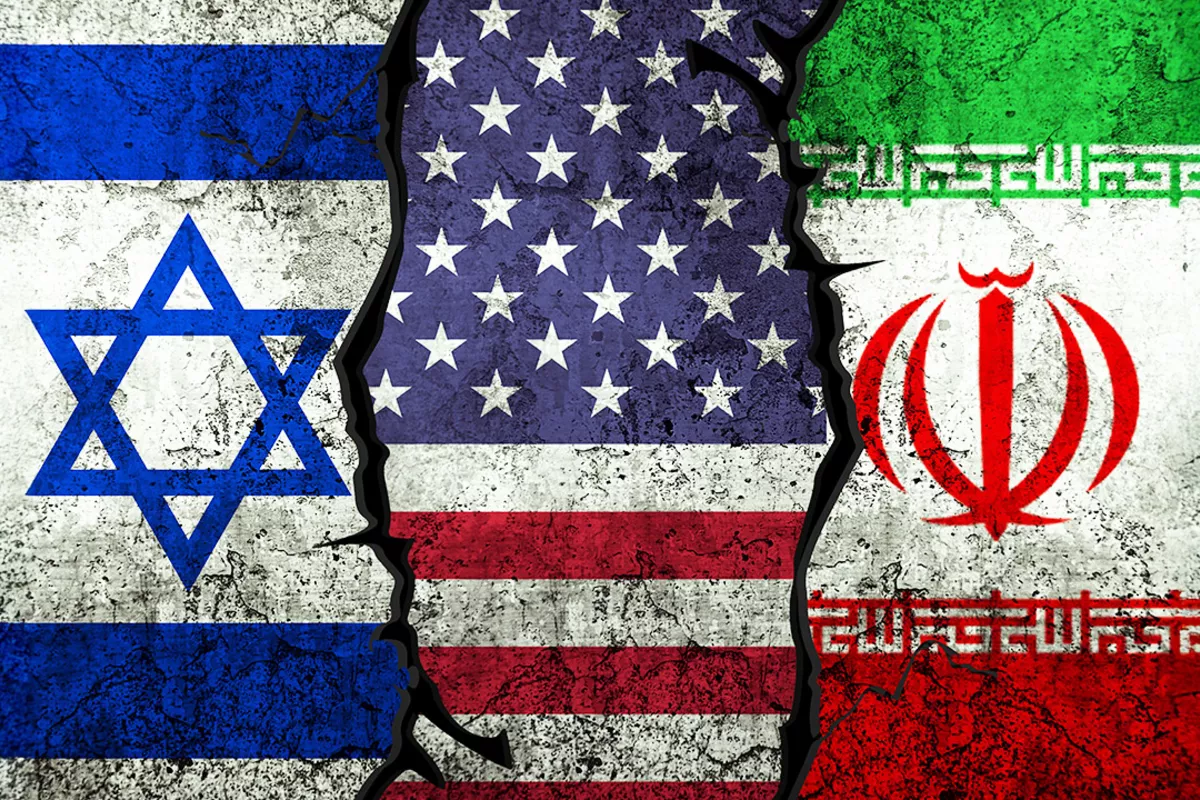
Recent developments suggest a pause—but not a resolution. A provisional ceasefire, reportedly brokered with Pakistan’s involvement, hinges on Iran reopening the Strait of Hormuz and both sides stepping back from further escalation.
Markets responded immediately: oil prices dropped, stocks rallied, and global anxiety briefly subsided. But beneath this surface calm lies deep uncertainty. Reports indicate continued strikes, unresolved disagreements over nuclear policy, and divergent interpretations of the ceasefire terms.
Iran insists on its right to nuclear development and regional autonomy. The United States demands restrictions and strategic concessions. Neither side appears willing to fundamentally alter its position.
This is not peace—it is a tactical pause.
And history suggests that such pauses are often preludes, not conclusions.
The Human and Moral Cost
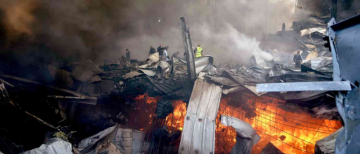
Lost amid strategic calculations is the human toll. Thousands have been killed or injured in weeks of bombardment. Infrastructure—from bridges to potential water facilities—has been damaged or destroyed.
Civilian casualties, whether confirmed or contested, raise uncomfortable questions about the ethics of modern warfare. When precision strikes hit densely populated areas, the distinction between military and civilian targets becomes blurred—not just operationally, but morally.
Moreover, the war has triggered displacement, disrupted humanitarian aid, and deepened regional instability. The ripple effects extend far beyond Iran, affecting neighboring countries and global migration patterns.
This leads to the fifth and perhaps most sobering lesson: in contemporary war, civilians remain the ultimate losers.
A Scorecard Without Winners
So who is winning?
The United States can claim military success—demonstrating its ability to strike at will and impose significant costs on Iran. But it faces domestic political pressure, global criticism, and the risk of overreach.
Iran can claim resilience—withstanding a massive assault without capitulation, leveraging geography, and maintaining regional influence. But it has suffered economic damage, isolation, and internal strain.
Pakistan can claim diplomatic success—emerging as a mediator and enhancing its global standing. Yet this role carries risks, including entanglement in a volatile conflict.
The global economy, meanwhile, has endured shocks that may have lasting consequences.
And the world? It has witnessed the limits of power in an interconnected age.
The Real Outcome
In the end, the Iran war is not a story of victory or defeat. It is a story of constraint—of how economic interdependence, geopolitical complexity, and technological warfare have redefined what it means to “win.”
The United States cannot fully defeat Iran without destabilizing the global system it seeks to lead. Iran cannot decisively defeat the United States but can ensure that any conflict remains costly and prolonged.
This is the new reality of warfare: decisive victories are rare, but enduring consequences are inevitable.
If there is a final entry on this scorecard, it is this: there are no winners—only survivors navigating the aftermath of a conflict that has revealed more about the limits of power than its possibilities.
With inputs from agencies
Image Source: Multiple agencies
© Copyright 2025. All Rights Reserved. Powered by Vygr Media.