 By

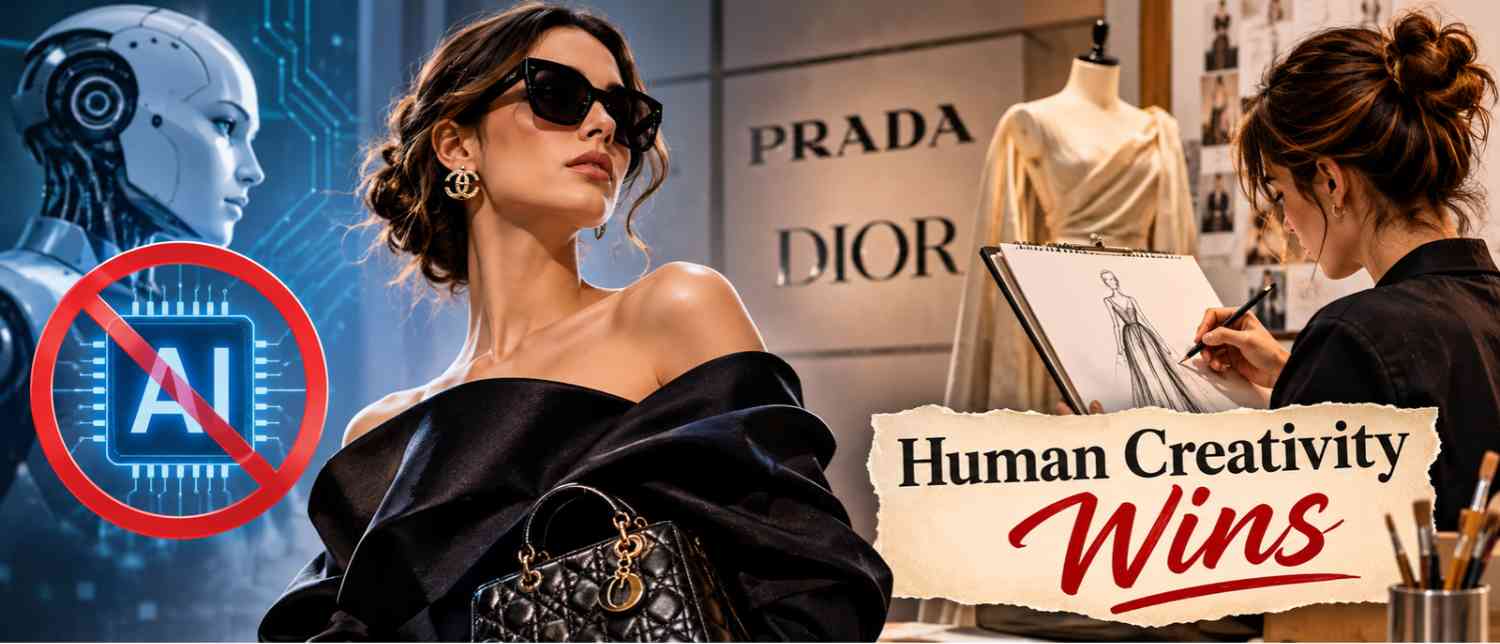
Artificial intelligence has changed the way the world creates, communicates and consumes content. From generating advertisements and designing outfits to producing realistic photographs and cinematic videos, AI tools have made creative production faster, cheaper and more accessible than ever before. Yet, just when the world seems to be embracing automation, some of the biggest names in luxury fashion are taking a rather unexpected turn: they are bringing human creativity back into the spotlight.
Prada is celebrating traditional animation, Hermès is embracing hand-drawn illustrations, and Loewe is showcasing the beauty of painstaking artistic processes. Meanwhile, campaigns associated with Gucci, Valentino and even Dior have sparked conversations about the growing presence of artificial intelligence in luxury advertising.
At first glance, this might seem like a contradiction. Why would an industry known for innovation, experimentation and expensive marketing campaigns deliberately choose slower, more labour-intensive creative methods when technology can achieve similar results in considerably less time?
The answer lies in what luxury actually represents.
For decades, luxury fashion brands have built their identities around exclusivity, craftsmanship, heritage and attention to detail. Customers are not simply paying for a handbag, a designer dress or a prestigious logo. They are investing in the story, expertise and human effort behind it. And when artificial intelligence makes visually impressive content available to almost everyone, the ability to create something genuinely distinctive becomes increasingly valuable.
In an age of AI-generated advertisements and endless digital content, human creativity may well become luxury's most desirable asset.
The AI Revolution Has Created an Unexpected Luxury Dilemma
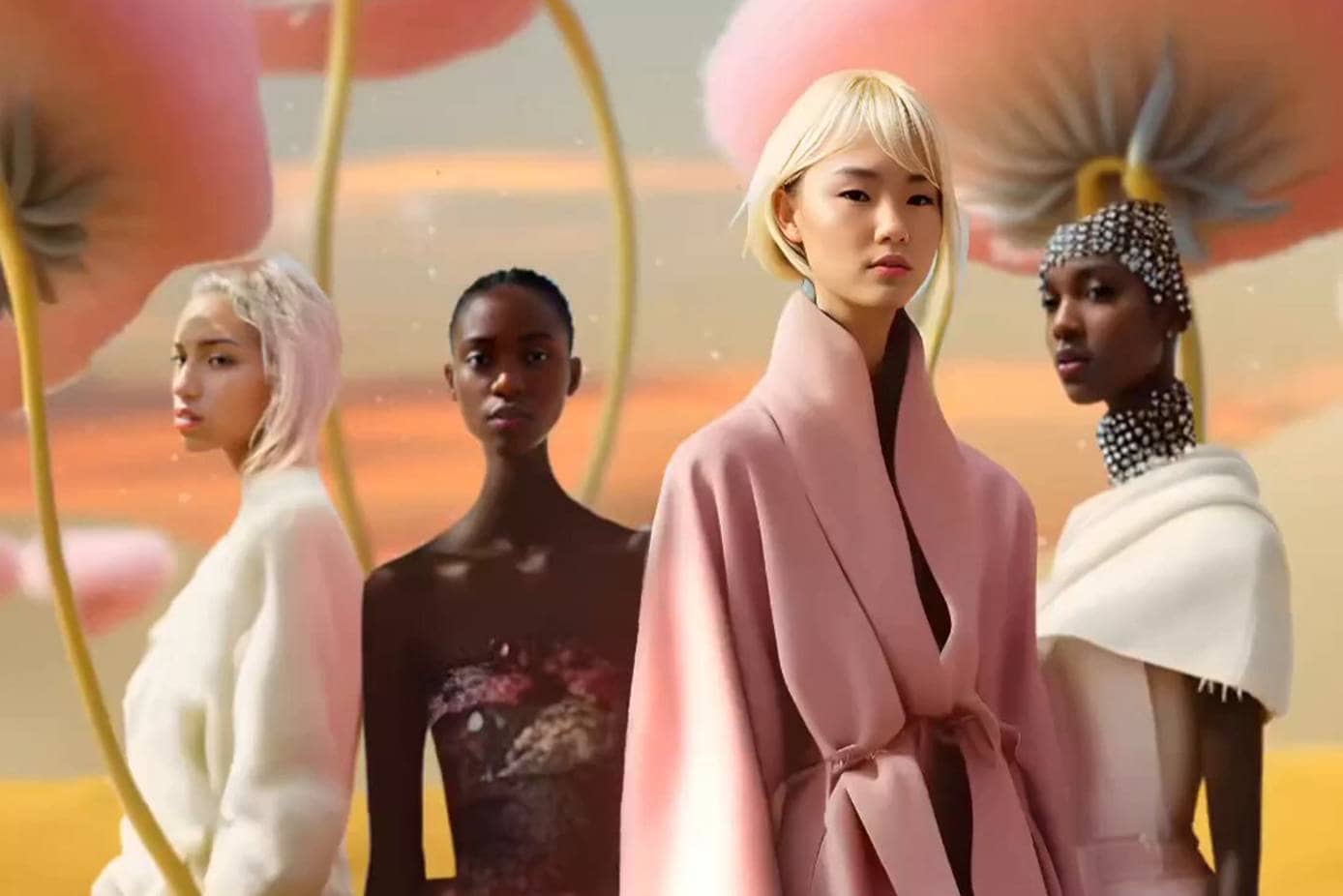
There is no denying that generative AI has transformed the creative industry. A campaign that once required photographers, illustrators, models, designers, animators and an extensive production team can now be developed with a handful of prompts and digital tools.
For businesses operating on tight budgets, this is an attractive proposition. AI can reduce production expenses, accelerate brainstorming, generate multiple creative variations and help marketing teams produce content at an unprecedented scale.
Luxury fashion, however, operates on an entirely different set of principles.
A premium brand does not necessarily want to be the fastest, cheapest or most accessible option in the market. Its appeal comes from being different. A handcrafted handbag, for instance, derives much of its value from the hours of work, specialised skills and attention to detail invested in making it.
The same philosophy extends to luxury advertising.
A photograph captured by an experienced fashion photographer, a campaign illustrated by a recognised artist or an animated film created by a team of skilled professionals carries a creative identity that cannot easily be replicated.
AI complicates this equation. When almost any brand can generate polished visuals within minutes, looking expensive no longer guarantees exclusivity. The visual language of luxury becomes easier to imitate, and the distinction between premium creativity and mass-produced content starts to blur.
This is precisely why luxury brands are reconsidering their approach to AI-generated imagery. Their concern is not necessarily that artificial intelligence cannot produce beautiful visuals. It is whether those visuals communicate the values their customers expect.
Prada Is Making a Case for the Beauty of Human Creativity
Perhaps one of the most interesting examples of this changing approach is Prada's Holiday 2026 campaign, titled "Drawing Prada: Animated by Hand".
Instead of relying entirely on digitally generated fantasy landscapes, the Italian fashion house turned to traditional animation to create a whimsical Christmas story.
The campaign combines live-action photography by Glen Luchford with hand-drawn illustrations led by veteran animator John Pomeroy, whose previous work includes Disney productions. Actors such as Sadie Sink, Maya Hawke, Chen Haoyu, Kelvin Harrison Jr and Luther Ford appear in imaginative winter settings populated by woodland creatures and storybook-inspired landscapes.
Under the creative direction of Miuccia Prada and Raf Simons, the campaign celebrates not just the finished film but also the artistic process behind it.
Prada has taken this approach a step further by releasing behind-the-scenes footage showing the artists at work. Audiences get an opportunity to see the sketches, illustrations and effort involved in bringing the characters to life.
The response suggests that consumers appreciate seeing this creative process. The campaign attracted millions of YouTube views and considerable engagement, extending its appeal beyond Prada's traditional fashion audience.
Interestingly, Prada has not positioned the project as an outright rejection of artificial intelligence. Instead, it has highlighted traditional animation as a creative choice worth celebrating.
And perhaps that distinction is important. The future of luxury advertising does not necessarily require brands to abandon technology. It requires them to recognise that not every creative process needs to be automated.
Dior's Animation Controversy Shows Why Authenticity Matters
While Prada's traditional animation campaign received considerable attention, Dior's 2026 holiday film, "Christian Dior's Night in Colour", generated a rather different conversation.
Directed by French animator Sylvain Chomet, the film was presented as a nostalgic tribute to traditional animation techniques dating back to the 1940s. Featuring Robert Pattinson as the narrator, the story follows Christian Dior imagining a dress for actress Marlene Dietrich.
However, viewers began questioning the film's creative process after noticing unusual visual details, including distorted hands, seemingly extra fingers, inconsistent lettering and other animation irregularities.
Some social media users suspected that generative AI had been involved, despite the campaign being promoted as hand-drawn animation.
Chomet and producer Aton Soumache subsequently denied using generative AI to create the artwork. They explained that approximately 20 artists had worked on the film over seven months, while acknowledging the limited use of automated interpolation software to generate intermediate frames between existing drawings.
The controversy highlights an increasingly complicated challenge for luxury brands: audiences are no longer judging advertisements solely on their final appearance. They are also questioning how those advertisements were made.
When a brand deliberately highlights traditional craftsmanship, consumers expect the creative process to reflect that promise. Even the suspicion of undisclosed AI involvement can create a gap between what a brand communicates and what its audience believes.
This is particularly significant for luxury houses because trust and authenticity are central to their identities.
Hermès and Loewe Are Turning Artistic Labour Into a Brand Statement
Prada and Dior are not the only luxury fashion houses recognising the appeal of traditional creative techniques.
Hermès has consistently incorporated illustration and animation into its visual storytelling. Its recent creative projects have included hand-drawn illustrations by French illustrator Linda Merad, featuring imaginative underwater worlds filled with marine creatures.
Rather than relying exclusively on digitally polished imagery, the brand has embraced the texture, personality and imperfections associated with traditional illustration.
This approach feels particularly appropriate for a fashion house whose identity is closely connected to craftsmanship, leatherworking and artisanal expertise.
Loewe has also demonstrated how human creativity can become the centrepiece of a luxury campaign. Its anniversary film reportedly involved approximately 2,000 watercolour paintings, transforming an enormous amount of manual artistic work into a visual celebration.
These projects demonstrate something that luxury fashion has understood for generations: the process of making something can be just as valuable as the final creation.
A hand-painted illustration does not become special simply because it looks beautiful. It also carries the time, skill and individual decisions of the person who created it.
In a market increasingly flooded with automated content, these details can make a brand feel more personal, distinctive and authentic.
Gucci and Valentino Prove That AI-Generated Luxury Advertising Can Backfire
Not every fashion house has received an enthusiastic response to its experiments with artificial intelligence.
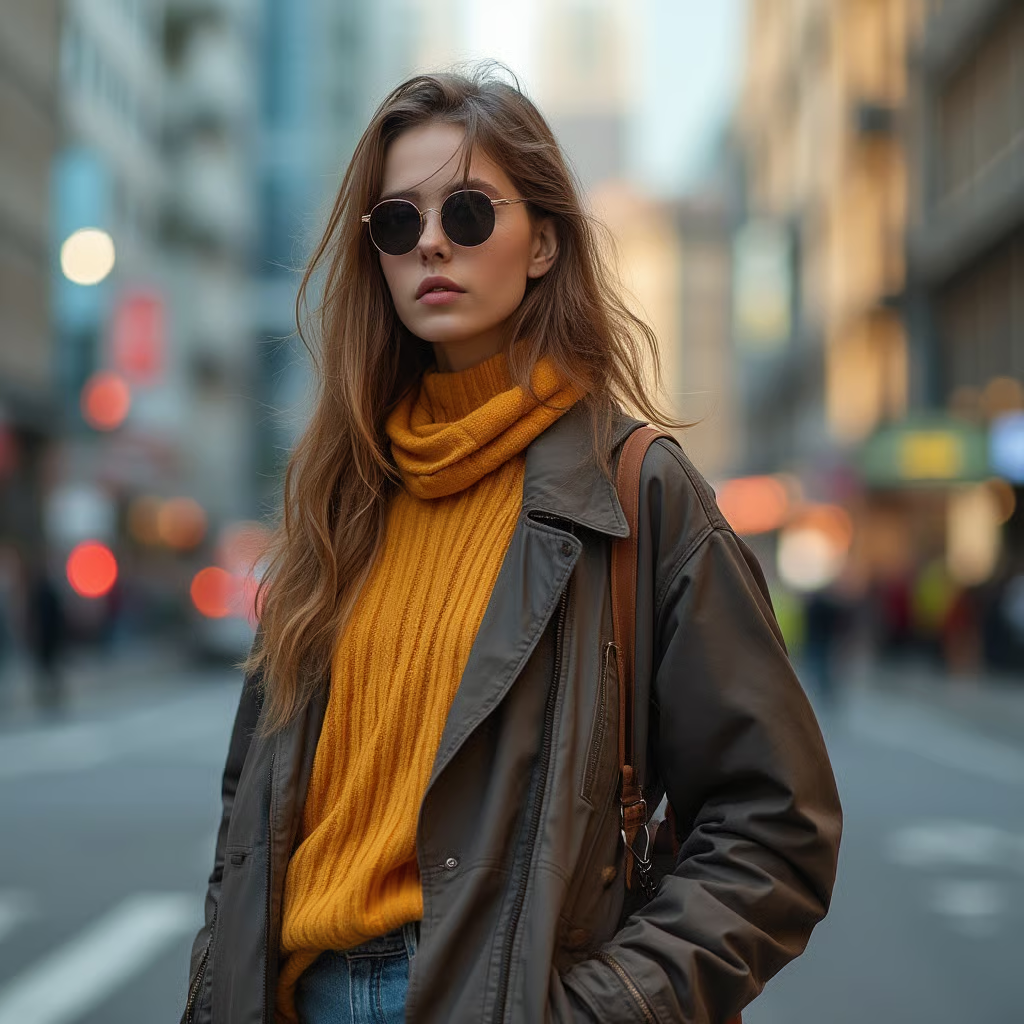
Gucci faced criticism in 2026 after introducing AI-generated visuals for its "Primavera" campaign ahead of Milan Fashion Week. The imagery featured synthetic models, including an elderly woman wearing vintage Gucci-inspired fashion.
Although the campaign was intended to create anticipation around the collection, some viewers questioned why a fashion house associated with Italian craftsmanship would choose artificial models and generated imagery.
Valentino encountered similar criticism over an AI-generated promotional campaign for its DeVain handbag. Rather than focusing exclusively on the product, the conversation shifted towards the artificial appearance of the visuals and the role of human creativity in luxury advertising.
The problem is not necessarily the use of AI itself. It is the disconnect between the technology and the brand's established identity.
When customers associate a fashion house with skilled artisans, exceptional materials and carefully executed designs, advertising that appears mass-produced can undermine the very qualities that justify its premium positioning.
This is where luxury brands face a difficult balancing act. They want to experiment with emerging technologies without making their creative output feel interchangeable with that of thousands of other businesses.
Why Consumers Are Becoming More Critical of AI-Generated Content
The growing resistance to AI-generated luxury advertising is not simply a matter of nostalgia or resistance to technological progress.
It reflects a broader change in consumer expectations.
Research involving consumers across seven global markets found that 86 per cent believed AI-generated content should be disclosed. The findings also indicated that 49 per cent would trust a brand less if AI replaced human creators, while 59 per cent said a lack of transparency about AI use would reduce their trust.
Another important finding comes from academic research published in the Journal of Advertising Research. Across three experiments, researchers found that consumers responded more negatively to luxury advertisements when their AI-generated origins were disclosed.
The underlying reason was particularly interesting: participants perceived AI-generated advertisements as requiring less creative effort, which made them appear less authentic to the luxury brand.
However, the research also suggested that highly creative AI-generated imagery could reduce some of these negative perceptions.
This distinction matters because consumers are not necessarily rejecting every advertisement that involves artificial intelligence. They are questioning whether brands are using the technology to enhance creativity or simply to replace the people responsible for it.
For luxury customers, that difference can influence how they perceive a brand.
When someone spends thousands of rupees or even lakhs on a designer product, they are purchasing more than its practical functionality. They are buying into its heritage, reputation, exclusivity and perceived quality.
An advertisement that appears to have been produced with minimal human involvement can weaken that emotional connection.
Is Human Creativity Becoming the New Definition of Luxury?
For years, luxury brands have used scarcity to create desire. Limited-edition collections, exclusive boutiques, waiting lists and handcrafted products have all contributed to the perception that premium experiences should not be available to everyone.
Artificial intelligence challenges this traditional understanding of exclusivity.
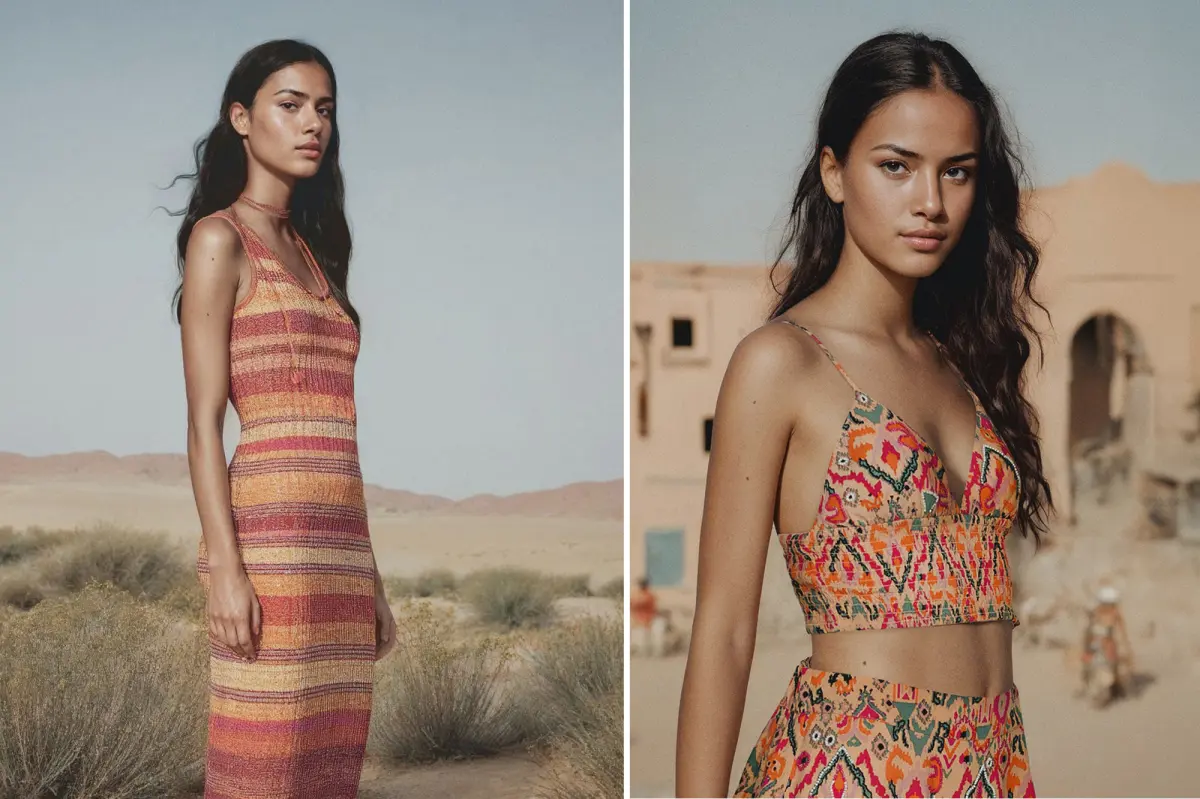
When technology makes it possible to generate thousands of visually appealing images within minutes, the finished image itself becomes less scarce. What remains difficult to reproduce is the individual perspective, creative judgment and artistic signature behind it.
Consider the difference between a machine-generated illustration and one created by an experienced artist. Both might communicate the same idea, but the latter carries the artist's personal interpretation, technical expertise and creative decisions.
The same applies to fashion photography, animation, filmmaking and design.
Luxury consumers have traditionally valued products that demonstrate the time and effort invested in their creation. It is therefore unsurprising that some of these expectations are extending to the advertising used to sell those products.
In this sense, human-made creativity could follow a trajectory similar to the slow-fashion and organic movements.
As mass production becomes increasingly accessible, consumers who value authenticity may become more interested in knowing where something came from, who made it and what went into creating it.
The artist's signature, the photographer's perspective and the animator's individual style could become important elements of a brand's creative identity.
For luxury fashion, this is not merely an artistic preference. It is a potential competitive advantage.
The Future Is Not About Rejecting AI but Knowing Where to Draw the Line
Despite the growing enthusiasm for traditional creative techniques, it would be unrealistic to suggest that luxury brands will abandon artificial intelligence altogether.
AI offers genuine advantages across the fashion industry. It can support trend forecasting, customer analysis, inventory management, design experimentation, production planning and marketing optimisation.
Even within advertising, there is a meaningful difference between using AI to improve an existing photograph and generating an entire campaign through automated tools.
The distinction between AI-assisted creativity and AI-replaced creativity is likely to become increasingly important.
A sensible approach would be to allow technology to handle repetitive, time-consuming tasks while keeping human professionals responsible for the creative direction, storytelling and artistic decisions that define a brand.
After all, innovation and craftsmanship do not have to be opposing forces.
Luxury fashion has always evolved by adopting new materials, techniques and technologies while protecting the values that make individual fashion houses distinctive. Artificial intelligence can become another part of that evolution, provided its use does not compromise the brand's identity.
Transparency will also matter. If consumers are expected to value authenticity, brands must be honest about how their campaigns are produced and the contributions made by human artists.
Simply labelling an advertisement as AI-generated will not automatically make it successful, just as using traditional animation will not guarantee an exceptional campaign. What matters is the quality of the creative idea, the intention behind it and its consistency with the brand.
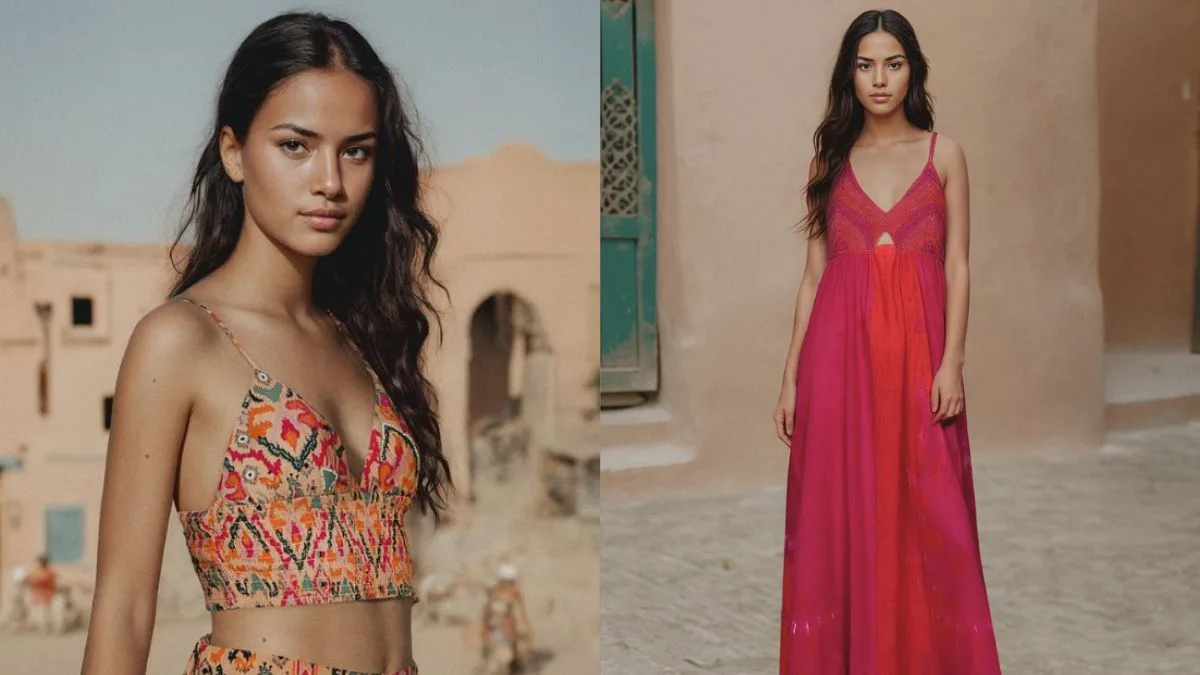
When Everyone Can Create With AI, Being Human Becomes Exclusive
The growing preference for human-made creatives in luxury fashion reveals an interesting paradox of the AI era.
For years, technology has been celebrated for making things faster, easier and more accessible. Now, some of the world's most prestigious fashion houses are discovering that the qualities technology promises to eliminate, such as time, effort and manual labour, may actually be what their customers value most.
A Birkin bag is not simply a handbag. A couture gown is not just an expensive outfit. Their appeal lies in the craftsmanship, expertise, heritage and human effort that go into creating them.
The same principle can apply to the campaigns that bring these products to life.
Prada's hand-drawn animation, Hermès' illustrated storytelling and Loewe's watercolour artistry demonstrate that human creativity still has an important place in an increasingly automated world.
Perhaps the most interesting part of this shift is that luxury brands do not need to declare war on artificial intelligence to benefit from it. They simply need to understand what should never be compromised in the pursuit of efficiency.
AI can generate an image, but a meaningful creative vision requires more than visual output. It needs perspective, intention, cultural understanding and the ability to tell a story that resonates with people.
As artificial intelligence continues to make creativity more accessible, the value of the human touch may only increase.
And in an industry built on exclusivity, that could become the ultimate luxury: not something created in seconds by everyone, but something imagined, shaped and brought to life by someone.
© Copyright 2026. All Rights Reserved. Powered by Vygr Media.